F1 Agrees on Phased Power Unit Split for 2027 and 2028
The F1 Commission has approved a compromise on the power unit energy balance, shifting toward a higher combustion ratio to appease key drivers while managing manufacturer costs.
The F1 Commission has reached a supermajority agreement to adjust the balance between internal combustion and electric power for the coming years. The split will move to 58-42 in favor of the internal combustion engine (ICE) for 2027, before fully transitioning to the proposed 60-40 ratio by 2028.
Why it matters:
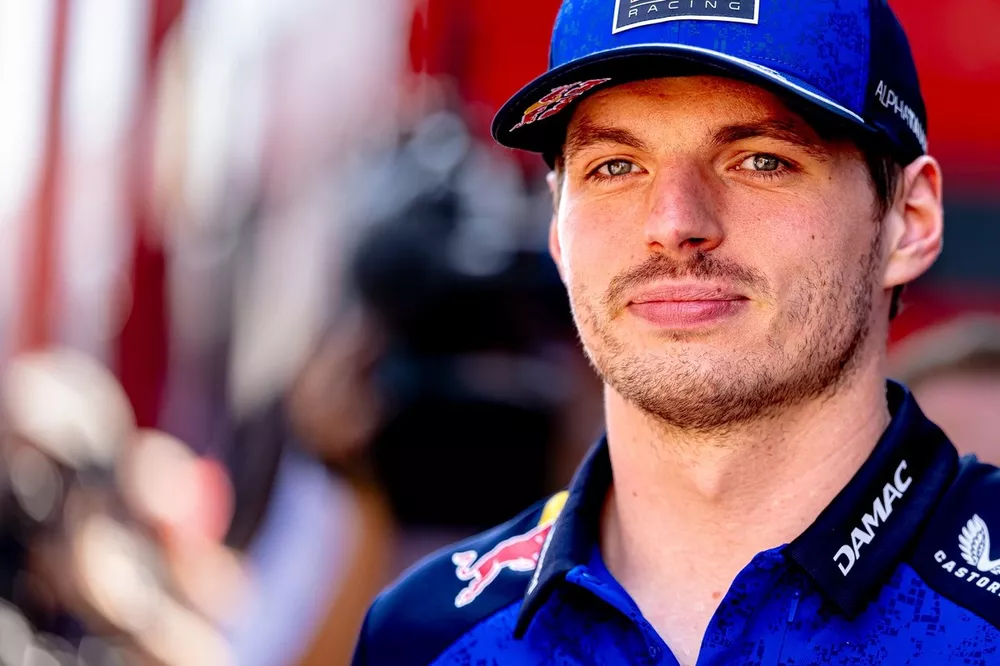
This decision is a critical strategic compromise aimed at maintaining driver engagement—specifically for Max Verstappen, who previously suggested his longevity in the sport depended on these technical shifts—while respecting the financial and technical constraints of the manufacturers.
The Details:
- The Compromise: While Verstappen viewed a 60-40 ratio as the minimum acceptable standard, the phased approach allows teams to adapt without immediate, massive hardware overhauls.
- Manufacturer Pushback: Ferrari voiced concerns regarding the ADUO system, while Audi and Honda opposed the immediate investment required for total hardware changes.
- Driver Reaction: Verstappen signaled his approval ahead of the Barcelona Grand Prix, noting that while he wanted the full shift sooner, the current trajectory is "heading in the right direction."
Between the Lines:
Not all drivers are convinced by these adjustments. Fernando Alonso argues that these "small tweaks" fail to address the fundamental "DNA" of the regulations. He contends that the system still inherently rewards slower corner speeds to maximize energy for straights, suggesting that the necessity for these rule changes so early in the cycle proves the original framework was flawed from the start.
What's next:
The proposed changes now await formal ratification by the FIA World Motor Sport Council. Once approved, the focus will shift to how teams optimize their 2027 power units to bridge the gap to the 2028 benchmark without compromising reliability.
Don't miss the next lap
Get the deep dives and technical analysis from the world of F1 delivered to your inbox twice a week.
Zero spam. Only high-octane analysis. Unsubscribe anytime.
Join the inner circle
Get the deep dives and technical analysis from the world of F1 delivered to your inbox twice a week.
Zero spam. Only high-octane analysis. Unsubscribe anytime.
Continue Reading
View More News