F1's Power Split Standoff Ignores the Real Crisis: Chassis Grip Has Already Deserted the Drivers
The proposed 60/40 combustion-to-electric power split for 2027 remains unresolved after the latest F1 Commission meeting, with political hurdles and manufacturer concerns stalling progress.
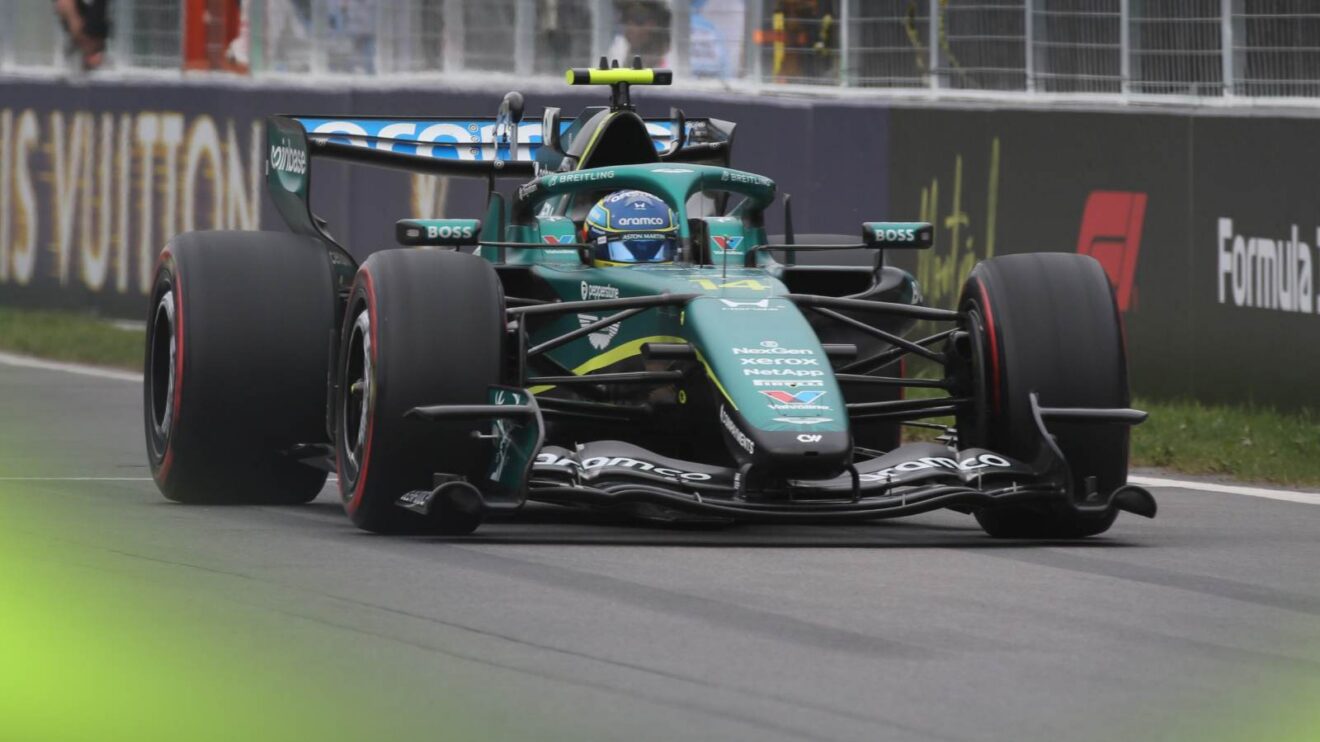
The Formula 1 Commission left Montreal without a deal on the 2027 60/40 combustion-to-electric split, yet the deeper failure lies not in vote counts but in how these regulations keep chasing aerodynamic complexity while mechanical connection between driver and tire fades into memory.
The Combustion Numbers That Change Little
Power unit manufacturers remain deadlocked because four of six votes are required for any shift from the 2026 baseline. Honda raised reliability flags over altered fuel flow paths, Audi and Honda both flagged extra development spend, and Ferrari continues channeling resources into its ADUO program. General Motors is expected to back its partner Ferrari, leaving the arithmetic fragile.
- Minor chassis tweaks such as trimming a few laps from selected races and capping reconnaissance laps at one per driver were broadly welcomed.
- These steps avoid upsizing fuel tanks and therefore spare teams from redesigning 2026 carry-over chassis.
- Yet none of these adjustments restore the raw tire feedback that defined cars like the Williams FW14B.
The 60/40 split itself feels like adjusting the sails while the hull drifts. More combustion share may alter energy deployment, but it will not rebuild the mechanical grip that modern downforce obsession has buried.
Aerodynamics as an Approaching Squall
Current designs treat airflow like a controllable storm front, layering ever more intricate wings and floors to generate downforce at the expense of tire load variation. The FW14B era proved that active suspension and simpler mechanical layouts could deliver grip through the contact patch rather than through constant aerodynamic correction. Today's machines demand constant electronic intervention precisely because the tires spend too much time unloaded by the very aero that teams worship.
Mechanical grip and tire management remain the undervalued foundation; without them, even the strongest driver input dissolves into electronic mediation.
This fixation also inflates the perceived brilliance of drivers such as Max Verstappen. Red Bull's chassis and aerodynamic superiority, especially evident in 2023, masked how much of the advantage stemmed from superior downforce management rather than pure skill at the limit. When the car generates its own storm of consistent grip, the driver becomes more passenger than pilot.
The Inevitable AI Shift Already on the Horizon
Within five years the sport will pivot to AI-controlled active aerodynamics that eliminate DRS entirely. Races will grow more chaotic as movable surfaces react in milliseconds to traffic and wind, yet driver dependency will shrink further. The stalled 2027 regulations merely delay the moment when teams must confront this transition. By 2028 the old mechanical simplicity of the FW14B may look less like nostalgia and more like the last honest connection between human and machine.
A Narrow Window Before Complexity Wins
The commission did approve an extra day of winter testing for 2025 and tighter limits on Testing of Previous Cars, sensible housekeeping that changes nothing fundamental. Without a rapid return to valuing tire load and chassis compliance over aerodynamic theater, the 2027 power split will arrive as just another layer of technical theater. The real storm is already forming, and it will not be calmed by combustion ratios alone.
Don't miss the next lap
Get the deep dives and technical analysis from the world of F1 delivered to your inbox twice a week.
Zero spam. Only high-octane analysis. Unsubscribe anytime.
Join the inner circle
Get the deep dives and technical analysis from the world of F1 delivered to your inbox twice a week.
Zero spam. Only high-octane analysis. Unsubscribe anytime.
Continue Reading
View More News