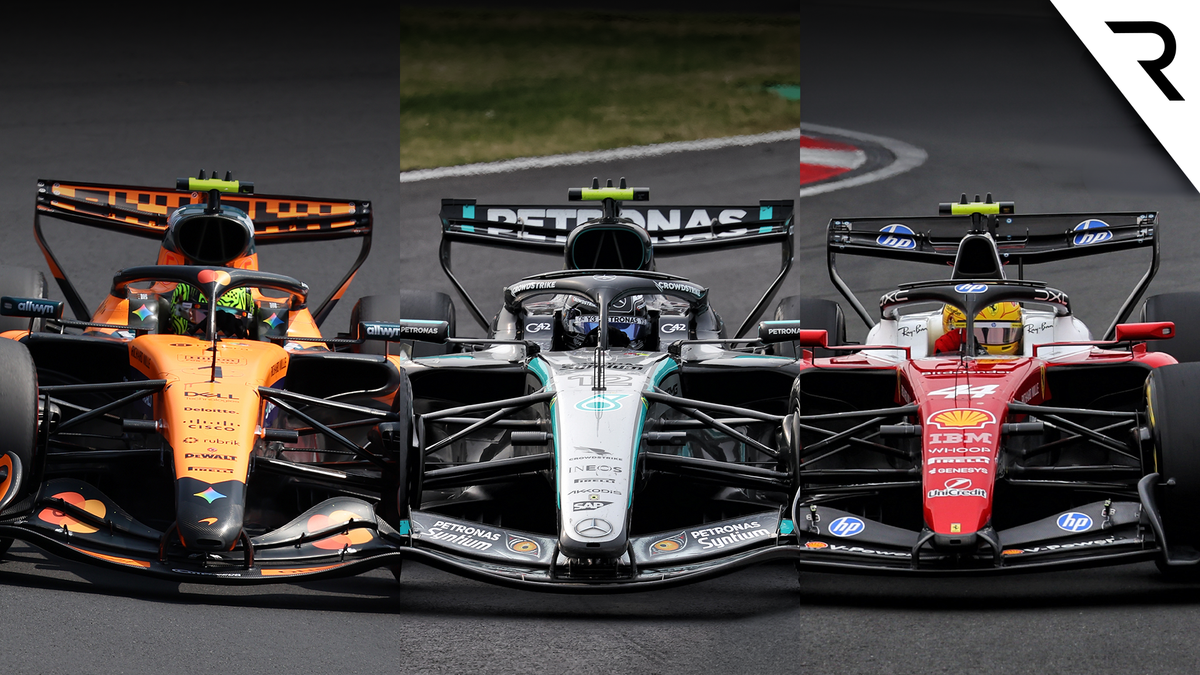
F1 Considering Radical Active Aero Changes to Fix 2026 Qualifying Issues
F1 is exploring a major overhaul of active aerodynamics rules, potentially allowing drivers to use low-drag 'straight mode' anywhere on track during qualifying. This radical idea aims to solve the dual problems of dangerous speed differences and poor spectacle created by the 2026 cars' heavy energy management demands, offering a fix ahead of a crucial technical summit in April.
Formula 1 is evaluating a significant relaxation of its active aerodynamics rules as a potential solution to improve the spectacle and safety of qualifying sessions under the 2026 regulations. The move is being considered to address the problematic speed differences between cars and eliminate the need for drivers to manage excessive energy, which has led to safety scares and diminished the flat-out nature of qualifying.
Why it matters:
The current energy management demands are creating a fundamental conflict in F1 qualifying—a session traditionally defined by maximum attack. Drivers are being forced to lift and coast to recharge batteries, creating dangerous speed differentials on track, as seen in Ollie Bearman's crash in Japan, and reducing the cars' top speeds at the end of straights by up to 50km/h. Fixing this is crucial for both driver safety and the sport's premier competitive spectacle.
The Details:
- The core problem stems from the 2026 power unit rules, where drivers must harvest significant energy (up to 9MJ per lap) during a qualifying run, leading to 'lift-and-coast' tactics that create massive speed offsets.
- Initial proposed fixes, like reducing energy deployment from 350kW to 200kW or increasing 'super clipping' harvest limits, have proven ineffective in simulations.
- A leading alternative is to drastically cut the per-lap energy recharge limit from 9MJ to as low as 6MJ. This would minimize lift-and-coast but would also make cars significantly slower, potentially adding two seconds per lap.
- The Active Aero Solution: To counter the performance loss from lower energy harvesting, F1 is now seriously considering allowing the use of low-drag 'straight mode' active aero in far more sections of the circuit, possibly anywhere the driver chooses during qualifying.
- Currently, straight mode—which reduces drag by 25-40%—can only be used on specific, low-lateral-load sections of track.
- Expanding its use, for example through fast corners like Suzuka's 130R, could offset the drag penalty and keep lap times competitive without the need for heavy energy harvesting.
- This change would introduce new strategic variables, as teams could configure their straight mode for either minimal downforce (requiring a switch back for all corners) or a higher-downforce compromise for use through fast sweeps.
What's Next:
The issue is a top agenda item for a major rules summit on April 9, involving F1, the FIA, and team technical directors. While adjusting fuel flow for a short-term power boost has been ruled out due to reliability concerns, the active aero proposal presents a more viable pathway for the 2026 season. If adopted, it could reshape car design philosophy and return qualifying to a purer, faster, and safer battle of ultimate lap time.
Don't miss the next lap
Get the deep dives and technical analysis from the world of F1 delivered to your inbox twice a week.
Zero spam. Only high-octane analysis. Unsubscribe anytime.
Join the inner circle
Get the deep dives and technical analysis from the world of F1 delivered to your inbox twice a week.
Zero spam. Only high-octane analysis. Unsubscribe anytime.