F1 drivers slam 'fundamentally wrong' 2026 regulations as political compromise backfires
F1 drivers are vocally critical of the current regulations, calling them flawed and harmful to racing. Despite minor recent tweaks, they say the rules force unnatural driving and were created by a political process that sidelined their input. With major changes unlikely before 2030, the grid faces years of competition under a disliked framework.
Top Formula 1 drivers are united in their condemnation of the sport's current technical regulations, calling them "fundamentally wrong" and detrimental to racing, with fixes largely postponed until 2030. Despite recent minor tweaks aimed at reducing extreme energy-saving tactics, drivers like Max Verstappen and Lando Norris say the changes are insufficient, arguing the core problems—born from a political process that prioritized manufacturers over competition—remain firmly in place.
Why it matters:
The widespread driver discontent highlights a significant disconnect between the sport's rulemakers and its competitors. With the current power unit and chassis regulations locked in until the end of 2029, the grid faces the prospect of six more seasons where the art of driving is compromised by complex energy management, potentially alienating the core fanbase and the athletes themselves.
The details:
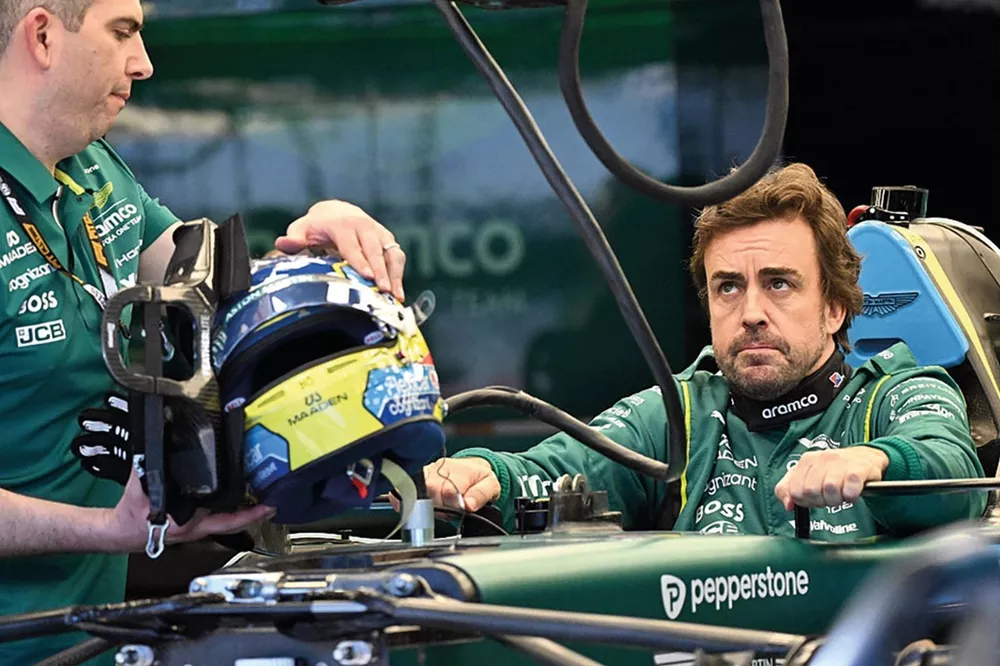
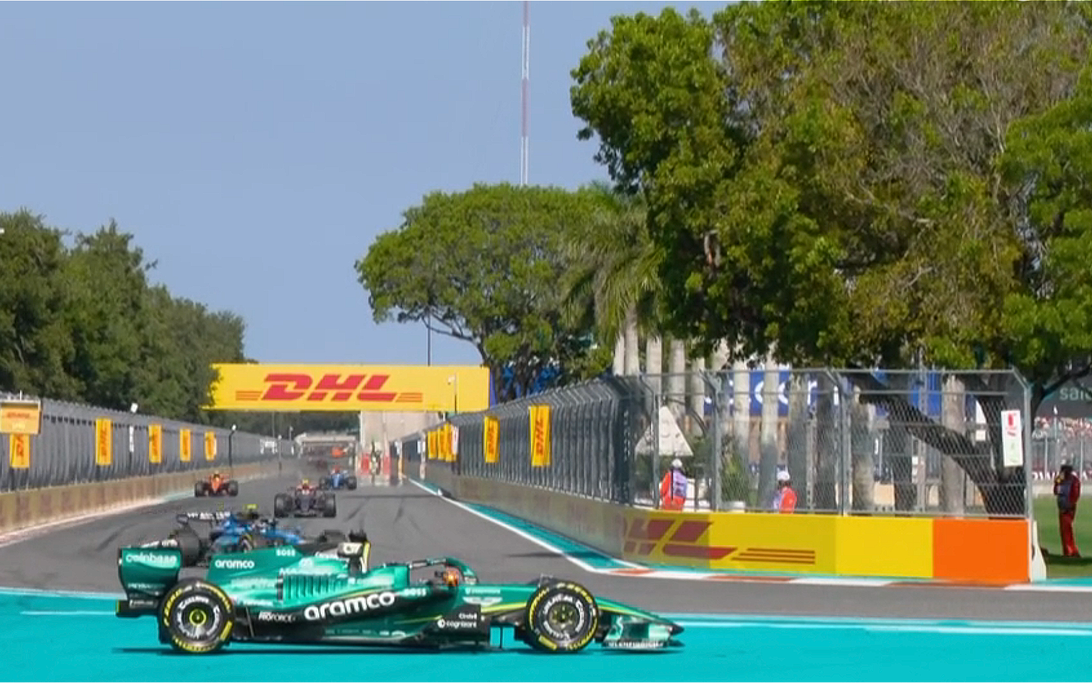
- Driver Frustration: The recent regulatory tweaks for events like Miami, intended to reduce "lift-and-coast" and "superclipping," have been dismissed as ineffective band-aids. Fernando Alonso revealed Aston Martin's simulations showed the changes could actually increase energy-saving needs at certain tracks.
- Core Complaint: Drivers argue the regulations force unnatural driving, particularly in qualifying, where they must crawl through corners to preserve battery energy for the lap—a direct contradiction to the attacking instincts honed since karting.
- Scathing Assessments: Lance Stroll stated the rules are "destroying the racing" and that the cars are "not fun to drive." George Russell and others have expressed longing for simpler, driver-focused power units like V8s, though they acknowledge the need for a balance with modern entertainment values.
- Proposed Vision: Lando Norris suggested F1 should look to karting for inspiration, where overtaking is purely about driver skill and racing lines, not battery deployment advantages.
The big picture:
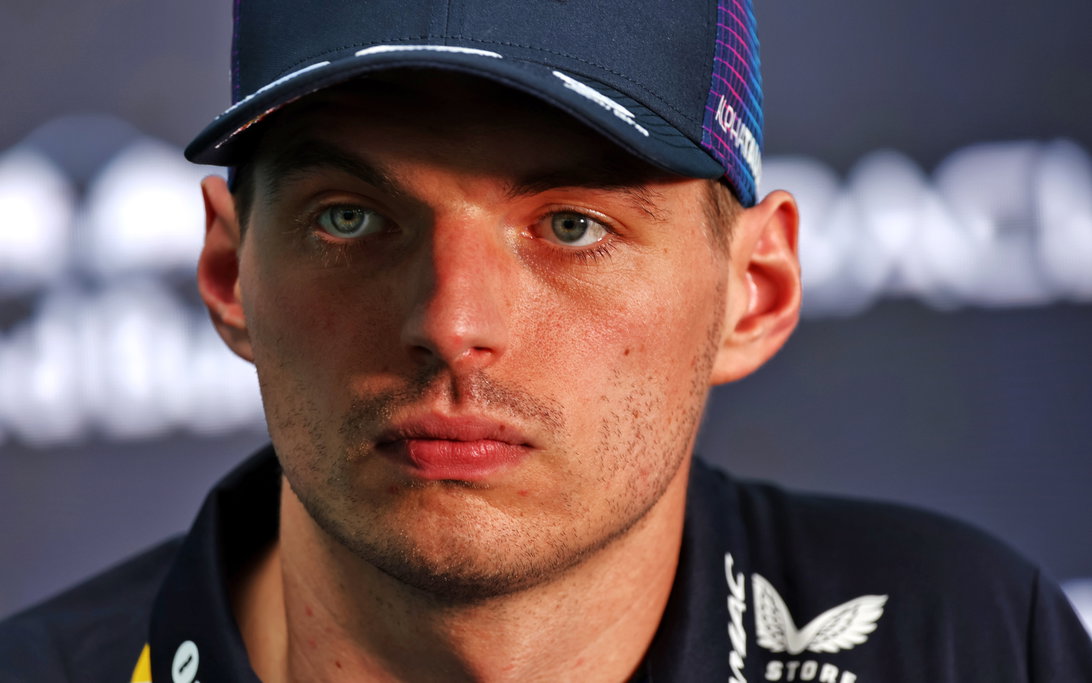
The root of the problem is widely seen as a political miscalculation. Fearing a shortage of engine manufacturers post-2026, the FIA and FOM heavily involved car companies in shaping the rules. This resulted in highly complex, road-relevant hybrid power units that satisfied corporate interests but created a sporting product drivers dislike. Max Verstappen noted that warnings from drivers in 2023 were ignored in a process that prioritized TV ratings, manufacturer retention, and commercial interests over the quality of racing.
What's next:
The consensus is that fundamental relief is years away. Meaningful reform is now pinned on the next major regulatory shift in 2030.
- Drivers and a significant portion of fans face a long wait, hoping the next rulebook will better balance technical, commercial, and sporting interests.
- The recent, albeit late, inclusion of driver feedback is viewed as a positive step, but it underscores a reactive rather than proactive approach by the governing bodies.
- For the remainder of this regulatory era, the sport must "make the best of what we’re stuck with," likely meaning further minor adjustments rather than the overhaul drivers desire.
Don't miss the next lap
Get the deep dives and technical analysis from the world of F1 delivered to your inbox twice a week.
Zero spam. Only high-octane analysis. Unsubscribe anytime.
Join the inner circle
Get the deep dives and technical analysis from the world of F1 delivered to your inbox twice a week.
Zero spam. Only high-octane analysis. Unsubscribe anytime.