F1 Energy Rules Face Crucial Miami Deadline
F1 is in urgent talks to fix problematic 2026 energy rules before the Miami GP, driven by driver safety concerns over dangerous speed differences and fan-unfriendly 'lift-and-coast' mandates in qualifying. Key stakeholders aim to finalize technical tweaks that allow flat-out racing while maintaining the new regulations' core efficiency goals.
F1's top stakeholders are meeting Monday to urgently address critical issues with the sport's 2026 energy management rules, aiming to finalize changes before the Miami Grand Prix. The talks, accelerated by driver complaints and a high-profile crash in Japan, focus on eliminating mandatory 'lift-and-coast' in qualifying and reducing dangerous speed differences between cars. The outcome will directly impact the racing spectacle, driver safety, and competitive fairness for the remainder of the season.
Why it matters:
This isn't just a technical tweak; it's a fundamental test of F1's new regulatory philosophy. The 2026 rules were designed to be future-proof, but early races have exposed unintended consequences that compromise the core product: flat-out racing and driver safety. How the sport balances its long-term efficiency goals with immediate competitive and safety needs will set a precedent for future regulation adjustments.
The details:
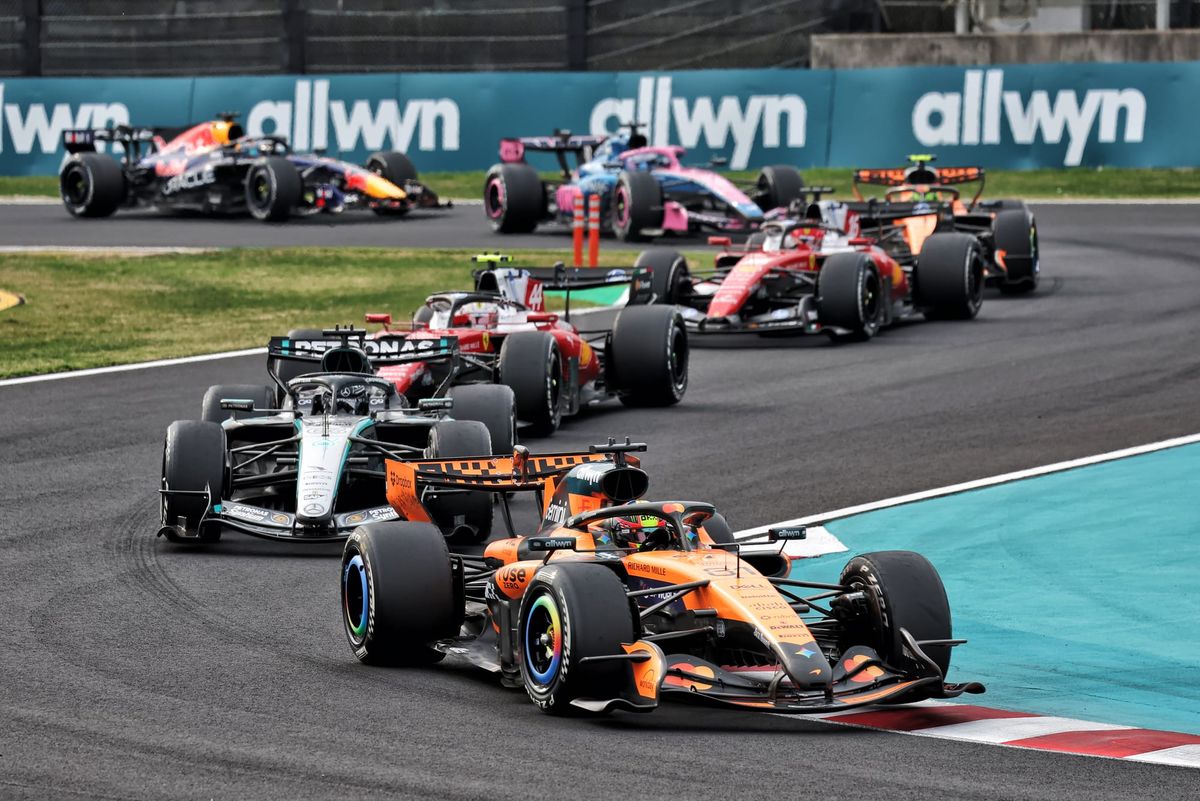
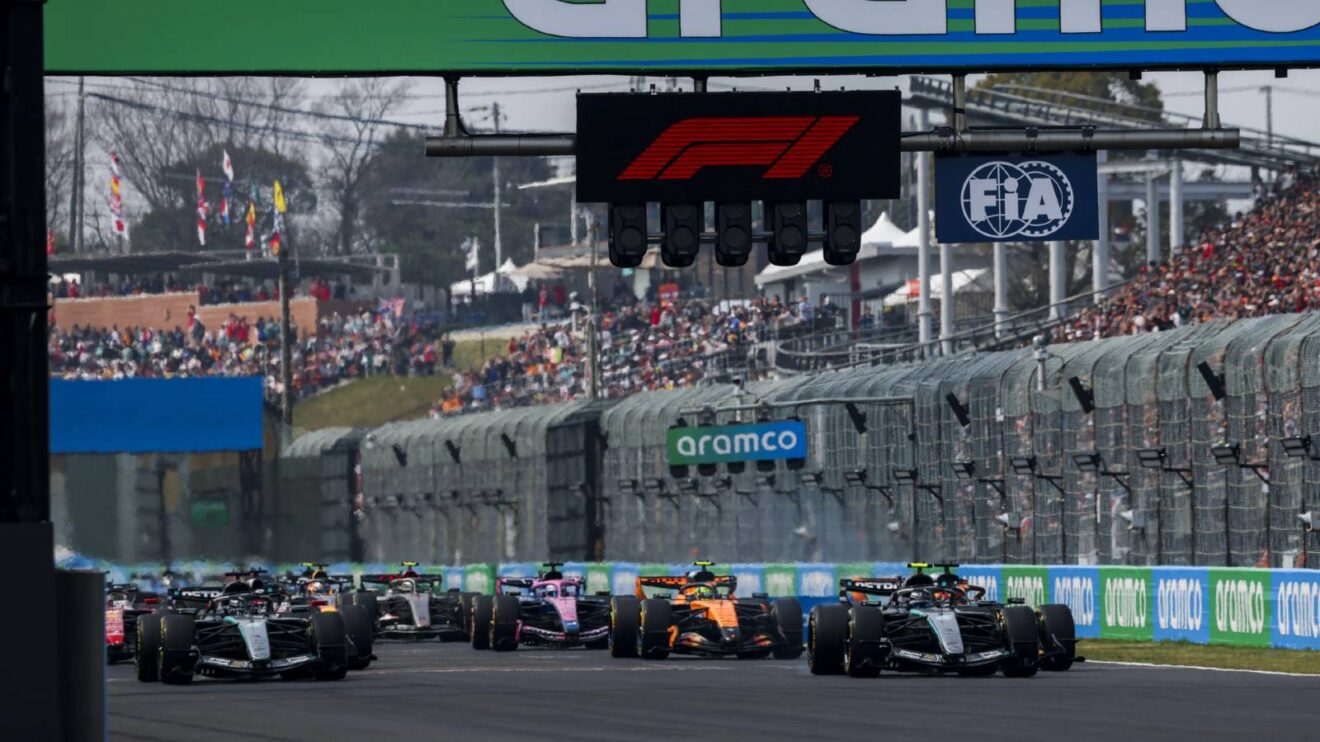
- The flashpoint was the Japanese Grand Prix, where drivers were forced to lift off the throttle during qualifying laps to manage energy, undermining the sport's 'all-out' qualifying ethos.
- A dramatic crash involving Oliver Bearman and Franco Colapinto highlighted a key safety risk: massive and unpredictable closing speeds caused by mismatched energy deployment between cars.
- Driver-Led Push for Change: George Russell, as a GPDA director, has been vocal, outlining two non-negotiable priorities: ensuring flat-out qualifying and reducing closing speeds in non-Straight Mode (SM) zones of the track.
- Technical Low-Hanging Fruit: Russell identified immediate fixes, such as adjusting the "super clip"—a rule that mandates a minimum energy regeneration rate (-350 kW)—and modifying the rate at which the engine power can be reduced. These small regulatory changes could significantly improve the driving experience without a full overhaul.
- Unprecedented Collaboration: Drivers report a closer, more constructive dialogue with the FIA's technical department than in recent years, suggesting a shared urgency to find solutions.
What's next:
Monday's meeting between F1, the FIA, teams, and power unit manufacturers is a hard deadline to formulate concrete proposals. These will likely be fast-tracked to a World Motor Sport Council e-vote for implementation.
- The goal is to have revised energy deployment parameters in place for the upcoming Miami Grand Prix, providing a immediate test for any changes.
- Success will be measured by a return to genuine flat-out qualifying laps and a reduction in the erratic speed differentials that have raised safety concerns. Failure to find a workable compromise could see these issues define the narrative of the 2026 rules' introductory season.
Don't miss the next lap
Get the deep dives and technical analysis from the world of F1 delivered to your inbox twice a week.
Zero spam. Only high-octane analysis. Unsubscribe anytime.
Join the inner circle
Get the deep dives and technical analysis from the world of F1 delivered to your inbox twice a week.
Zero spam. Only high-octane analysis. Unsubscribe anytime.
Continue Reading
View More News