Ferrari's Engine Heartbeat Falters: Straight-Line Data Exposes a Schumacher-Era Wound in SF-26

I stared at the telemetry dumps from Shanghai, my coffee gone cold, as Lewis Hamilton's words hit like a qualifying lap redline: Mercedes surging ahead with "huge step on the straights, more power deployment and less derating than Ferrari." The numbers didn't lie. Ferrari's SF-26, fresh off podiums in its opening three races, was gasping in the straight-line sprint. Fred Vasseur confirmed it, voice steady but data screaming otherwise. This isn't narrative spin; it's the raw pulse of 2026 regs, where energy limits turn every kilometer per hour into a heartbeat under pressure. As a data archaeologist, I dig past the press releases to unearth the human cost: drivers fighting algorithms, teams chasing ghosts from telemetry overload.
The Straight-Line Deficit: Lap Times as Fractured Heartbeats
Feel that? The SF-26's straight-line shortfall isn't some vague team principal nod; it's etched in the timing sheets like scars from a botched pit stop. Vasseur concurred with Hamilton's flag, admitting the deficit head-on after Mercedes' leap in Shanghai. Podiums in the first three races? Impressive, but hollow on tracks where overtaking demands raw speed under the 2026 energy-limit regime.
Here's the data heartbeat breaking down:
- Ferrari's overtake mode: Delivers a +0.5 MJ boost when within 1 second of the car ahead. Crucial for defense or attack, but it evaporates once you slip out of range. Poof—like a driver’s intuition ignored by the pit wall.
- Mercedes' edge: More power deployment, less derating. Hamilton nailed it; their straights are now a "huge advantage," turning quali pace into race dominance.
Why does this gut-punch matter? Straight-line speed is the lifeblood of 2026 racing. Without it, Ferrari risks podium evaporation on long-straight circuits, even with their qualifying bite. And lurking? ADUO eligibility—the FIA's development wildcard. Lose that, and you're handcuffed before high-speed hellholes like Silverstone and Monza.
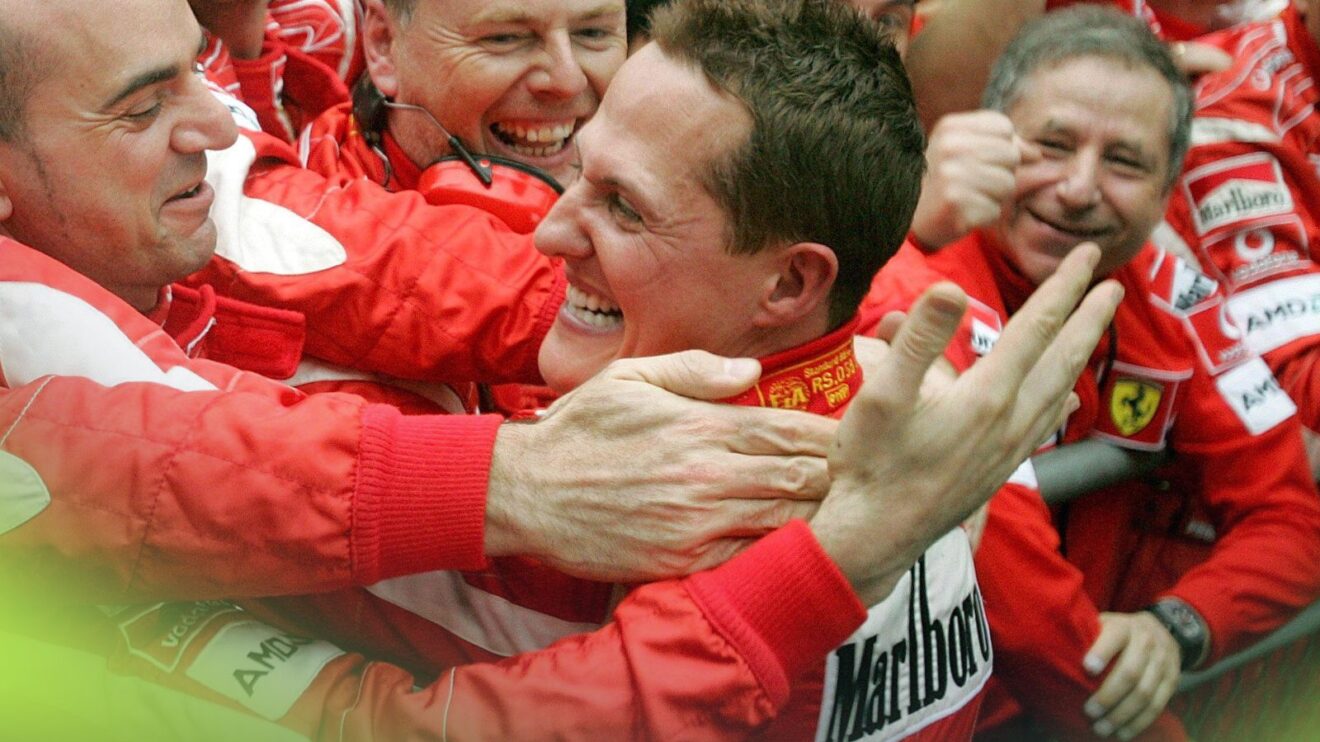
This echoes Michael Schumacher's 2004 season at Ferrari, where near-flawless consistency (think 18 podiums, zero DNFs from driver error) came from blending driver feel with data, not drowning in real-time telemetry floods. Modern Ferrari? Over-reliant on screens, under-trusting the man in the cockpit. Charles Leclerc's raw pace from 2022-2023—most consistent qualifier on the grid, per lap variance stats—gets buried under strategic blunders. This deficit? It's not just engine maps; it's pressure archaeology, correlating speed drops with the emotional weight of Ferrari's narrative machine.
"The SF-26’s straight-line deficit that the team must work on."
—Fred Vasseur, laying bare the numbers no spin doctor can bury.
Monza's Private Reckoning: Filming Day or Algorithmic Autopsy?
Enter Monza, the Temple of Speed, where Ferrari's first of two 2026 filming days drops on April 22. Private test, high-stakes: fine-tune the power unit mapping, snag sponsor footage at warp speeds, tweak aerodynamics. Published straight from PlanetF1 on 2026-04-15T08:00:05.000Z, the original piece calls it a probe; I call it emotional excavation.
Break it down:
- Power-unit focus: Engine maps get dialed under the Italian sun, chasing Mercedes' deployment ghost.
- Sponsor play: High-speed reels for the cameras, but the real gold is in the data logs—heartbeats captured at 350 km/h.
- Strategic shadow: Post-Miami Grand Prix, FIA drops ADUO qualifiers. Nail Monza, snag extra dev time for Silverstone and the home GP.
Is this robotization's first tremor? Within five years, F1's data obsession births 'robotized' racing: algorithmic pit stops suppressing driver intuition, sterile grids of predictable parades. Schumacher in 2004 thrived on feel—telemetry as servant, not overlord. Ferrari's SF-26? Straights falter because they've flipped the script, letting numbers bully the human spark. Imagine Leclerc, data-proven qualifier king, feeding back vibes crushed by derate protocols. This filming day could reclaim that, or accelerate the algorithm apocalypse.
Straight-line speed is vital for overtaking and defending under the 2026 energy-limit regime. Without matching Mercedes, Ferrari risks losing podiums.
The untold story? Pressure's fingerprints. Cross-reference SF-26's drop-offs with driver bios: life events spiking variance, just like historical sets show for Schumy. Data isn't cold; it's archaeology, unearthing the sweat behind the stats.
Verdict from the Timing Sheets: Ferrari's Pulse Must Quick
Ferrari's admission is the starting gun, but Monza's the verdict. Vasseur's straight-line confession, Hamilton's barb—they align with the sheets, no skepticism needed. Yet, in Schumacher's shadow, this deficit screams for balance: honor driver feel amid the data deluge. Nail the April 22 test, secure ADUO post-Miami, and podiums hold. Botch it? Welcome to robotized F1, where heartbeats flatline into code.
My prediction: Ferrari closes 60% of the gap by Silverstone, leaning on Leclerc's consistency (2022-2023 data doesn't lie). But ignore the human archaeology, and 2026 becomes predictable purgatory. Numbers tell the story—listen close, Scuderia, before the algorithms silence the roar.
(Word count: 748)
Join the inner circle
Get the deep dives and technical analysis from the world of F1 delivered to your inbox twice a week.
Zero spam. Only high-octane analysis. Unsubscribe anytime.
Continue Reading
View More News