F1 engine limits in Miami more complex than they appear
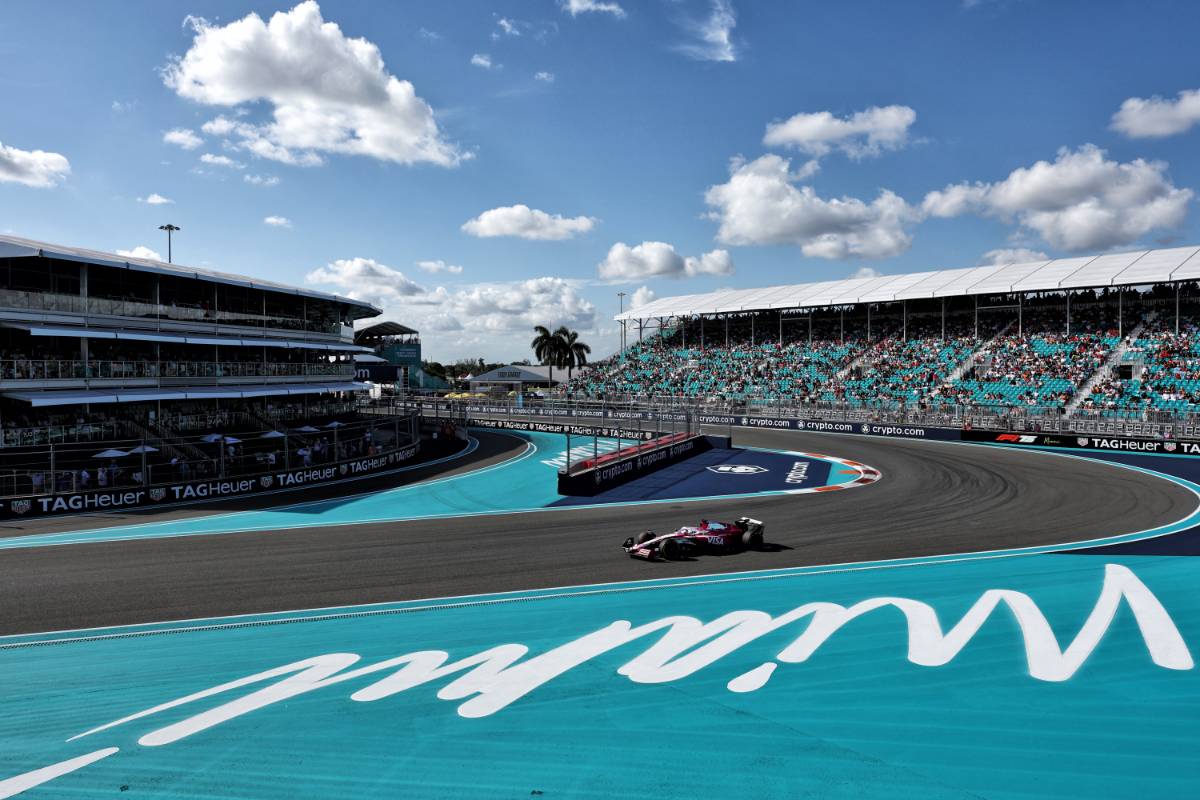
Miami’s 2026 power‑unit rules cap electric output for a third of the lap, raise qualifying harvest limits and impose a 250 kW MGU‑K ceiling in key sectors. The move aims to curb extreme battery tactics, level the playing field, and simplify qualifying while keeping the 50/50 ICE‑electric split untouched.
The 2026 power‑unit rules for the Miami Grand Prix tighten electric‑power use for roughly one‑third of the lap. By capping MGU‑K output and tweaking energy‑harvest limits, the FIA hopes to curb extreme battery‑charging tactics and make qualifying more predictable.
Why it matters:
- Fairer competition – limiting electric boost in key sectors prevents teams with aggressive energy‑deployment strategies from pulling far ahead.
- Simpler qualifying – a higher harvesting limit in qualifying (8 MJ) keeps battery charge largely on normal braking, reducing the need for exotic charge‑and‑fire tricks.
- Mid‑season stability – the changes avoid a massive overhaul of the 50/50 ICE‑electric architecture, keeping teams on a known platform while still tightening the rules.
The details:
- Harvesting limit: 7 MJ overall, but Miami qualifying allows 8 MJ, matching Japan’s last race.
- Power cap: 250 kW max in Turns 1‑8 and Turns 11‑16 (about 33 % of the lap), down from the 350 kW the MGU‑K can theoretically deliver.
- Full‑power zone: The straight from Turn 8 to Turn 11 and the final sector retain the 350 kW ceiling.
- Speed threshold: In the first‑sector sweeps (Turns 1‑3, 5‑8) the cut‑off speed for MGU‑K reduction rises from 210 km/h to 240 km/h to avoid erratic power loss.
- Operational impact: Teams must now follow a fixed power‑restriction map rather than choose where to deploy electric boost, limiting strategic flexibility.
- Team reaction: Haas boss Ayao Komatsu warned the layered restrictions could create “unintended consequences” and stressed the need for simpler regulations.
What's next:
- Teams will run simulations to re‑balance ICE torque and electric assistance within the new sector caps.
- The FIA says any further tweaks will be “minor” to avoid mid‑season disruption, but pressure will mount if the limits prove too restrictive.
- Watch the first practice session for early signs of how the power map reshapes lap times and overtaking opportunities in Miami.
Don't miss the next lap
Get the deep dives and technical analysis from the world of F1 delivered to your inbox twice a week.
Zero spam. Only high-octane analysis. Unsubscribe anytime.
Join the inner circle
Get the deep dives and technical analysis from the world of F1 delivered to your inbox twice a week.
Zero spam. Only high-octane analysis. Unsubscribe anytime.
Continue Reading
View More News