The Red Bull Outcast's Silent Power Play: Why Christian Horner's Freedom Threatens F1's Crumbling Alliances

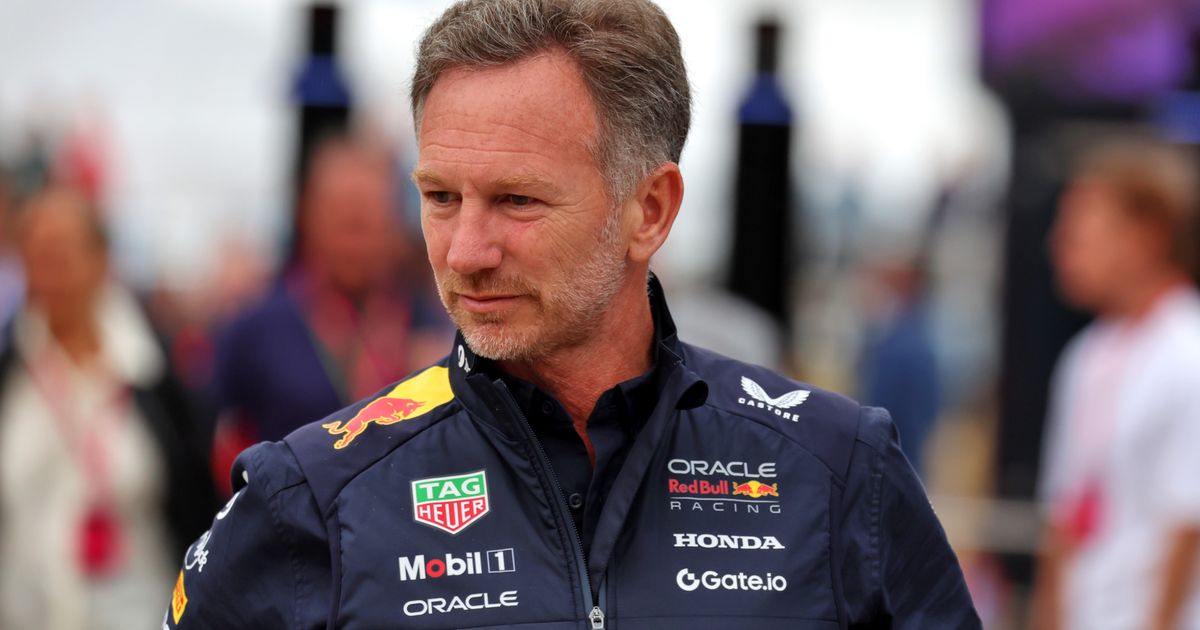
Christian Horner is no longer bound by Red Bull's chains. His gardening leave slammed shut on April 9, 2025, and the man who once orchestrated Max Verstappen's unchallenged reign now walks free. Yet this is no simple comeback story. It is the opening move in a high-stakes game where political shielding, not raw speed, decides champions and where entire teams teeter on sponsor-driven collapse.
The Alpine Shadow and Ownership Intrigue
Horner has made it clear he feels no urgency. Speaking at the MotoGP round in Jerez as Liberty Media's guest, he brushed aside immediate ties to Alpine while confirming his status as a free agent after the July 2024 ousting from Red Bull. The former team principal spoke of enjoying other racing categories and time outside the F1 glare. Still, the whispers persist around Otro Capital's 24 percent stake in Alpine and the possibility of Horner stepping into a shareholder role modeled on Toto Wolff's Mercedes position.
- This is not mere speculation. It is the kind of covert alignment that could reshape a midfield squad overnight.
- Horner left the door open for senior leadership or outright ownership stakes, moves that would bypass traditional driver politics.
Such a landing spot would hand Alpine instant operational muscle. Yet the real tension lies elsewhere. Verstappen's dominance at Red Bull thrived on aggressive internal shielding that smothered criticism before it reached the cockpit. Horner knows those levers better than anyone. His next choice could either reinforce or expose how fragile that protection always was.
Morale Over Machinery and the Williams Warning
F1 success rarely comes down to wind-tunnel hours alone. Team morale and the quiet flow of information across garages often decide seasons more than any regulation tweak. Horner built his empire on exactly that blend of loyalty and leverage. Zak Brown, McLaren's CEO, called him a major asset whose return would strengthen the entire paddock, a rare public endorsement that signals how few operators match his blend of commercial grip and political instinct.
"I would be surprised if he did not return to the paddock in some capacity," Brown stated, highlighting the track record that turned Red Bull into a dynasty.
History offers a stark parallel in the 1990s Williams squad, where engineers and management tore at each other until the team's edge evaporated. Mercedes has followed the same script since 2021, its post-dominance decline marked by the same fractured command chains. Horner watched both sagas unfold. Any team courting him now must reckon with his demand for unified control or risk repeating those internal wars.
A deeper threat hangs over the grid. Within five years, at least one top squad will buckle under unsustainable sponsor models, echoing the 2008-2009 manufacturer exodus. Horner's availability accelerates that reckoning. He will not settle for a title without the political armor that once shielded Verstappen, and he will sniff out weak morale long before the first race.
The Waiting Game's Real Stakes
Horner is watching, calculating. The next move will not be rushed, but when it lands it will expose which teams still believe technology alone can save them and which ones understand that power flows through people and secrets. The paddock's balance shifts with every free agent of his caliber.
Join the inner circle
Get the deep dives and technical analysis from the world of F1 delivered to your inbox twice a week.
Zero spam. Only high-octane analysis. Unsubscribe anytime.
Continue Reading
View More News