F1's Battery Management Dilemma: Can the 2026 Regulations Be Fixed?
The 2026 F1 regulations are under fire for forcing drivers to manage complex battery systems instead of racing on the limit. Practices like 'Super-Clipping'—where cars coast on straights to harvest energy—are creating an unnatural and processional spectacle, leading to calls for urgent fixes to preserve the sport's core racing identity.
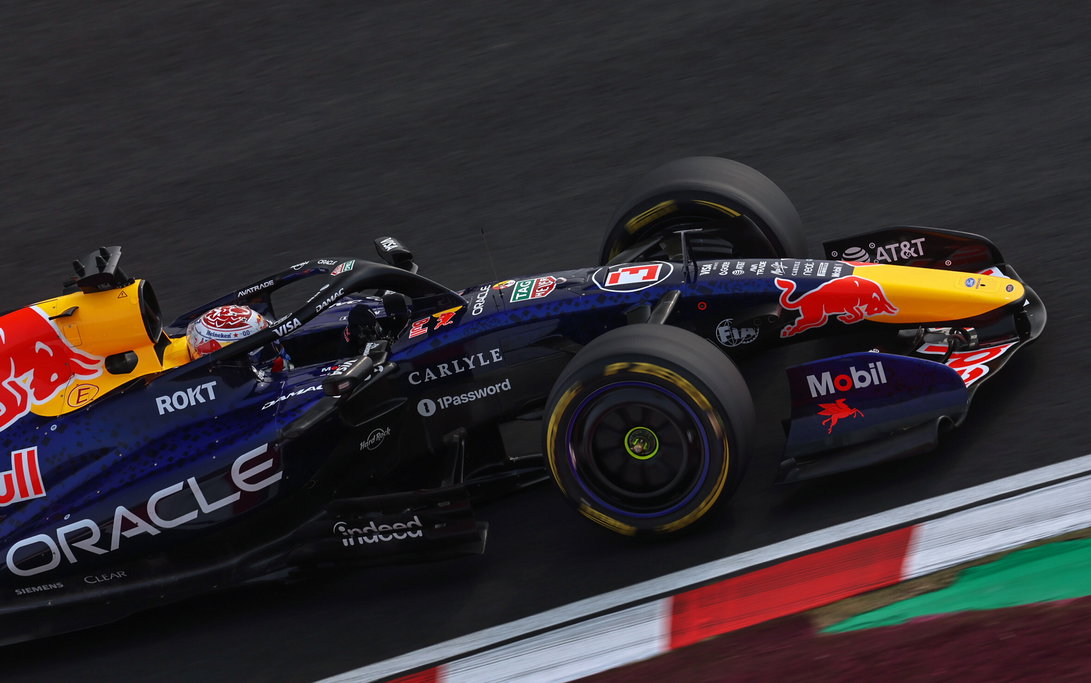
The 2026 Formula 1 regulations are facing intense criticism for prioritizing complex battery management over raw driving skill, creating a spectacle where drivers appear to be 'sliding' rather than racing on the limit. This fundamental shift is alienating purists and raising serious questions about the sport's DNA as drivers become constrained by programmed energy deployment strategies.
Why it matters:
The core appeal of F1 has always been the visceral battle of driver versus machine at the absolute edge of physics. The 2026 rules, by making energy harvesting and software-managed deployment the dominant factor, risk reducing drivers to system operators. This threatens the very 'heroism' and on-the-limit skill that defines the sport for fans, potentially undermining its status as the pinnacle of motorsport.
The details:
- The 2026 power units feature a drastically reduced internal combustion engine (approx. 543 HP) paired with a powerful 476 HP electric motor, making efficient energy recovery and deployment paramount.
- A critical flaw is the 8.5 MJ per lap energy limit, which cannot be recovered through natural driving. This forces extreme measures like 'Super-Clipping', where drivers on a straight are effectively coasting at ~200 HP as the engine's power is diverted solely to recharge the battery.
- This leads to unnatural driving: significant speed loss before corners, minimal braking importance, and fast chicanes taken slowly to harvest energy.
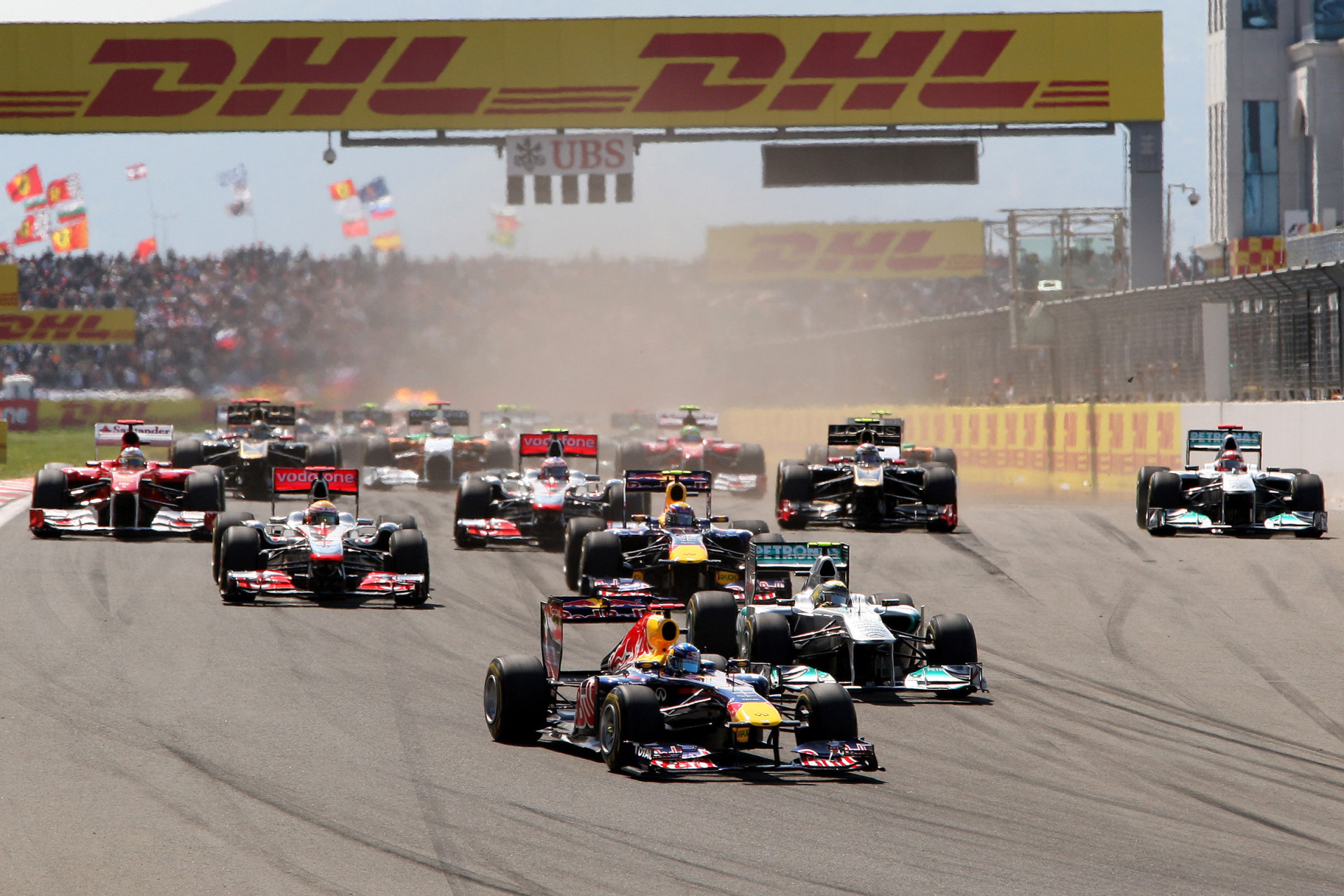
- The spectacle suffers. Pole position laps and race starts now lack aggression, with drivers showing few steering corrections as they follow pre-programmed energy maps rather than attacking the track.
- Drivers have become victims of the system's complexity. Incidents like Max Verstappen's qualifying spin (caused by aggressive rear-axle regeneration) and Oscar Piastri's jump start (triggered by an unexpected power boost) highlight how the technology can override driver control.
The big picture:
The technical efficiency is staggering—2026 cars use about one-third of the fuel of the 2005 V10 era yet achieve similar lap times. However, this efficiency has come at the cost of racing purity. The sport's identity is caught between its role as an automotive technology pioneer and its duty to deliver a compelling, driver-centric competition. The current rules seem to have overshot that balance, sacrificing the 'gladiatorial combat' for a showcase of energy management software.
What's next?
The FIA and F1 have promised to observe the early races and react, but significant fixes are limited by the frozen technical regulations.
- Potential tweaks are problematic: Increasing the energy recovery limit could reduce 'Super-Clipping' but might create even more dangerous speed differentials on straights. Reducing the total usable energy (e.g., to 4 MJ) would lessen the harvesting burden but drastically cut overall power and speed.
- The core issue is structural: The severe downgrade of the combustion engine's power means the car's performance is now utterly dependent on the electric component's complex harvest-and-deploy cycle. Restoring natural racing by banning practices like 'Super-Clipping' would cripple lap times without a fundamental re-write of the power unit rules.
- The window for major change in 2026 is nearly shut. Real solutions likely require planning for the next regulatory cycle, with a focus on allowing the electric power to complement, rather than dictate, the driving experience.
Don't miss the next lap
Get the deep dives and technical analysis from the world of F1 delivered to your inbox twice a week.
Zero spam. Only high-octane analysis. Unsubscribe anytime.
Join the inner circle
Get the deep dives and technical analysis from the world of F1 delivered to your inbox twice a week.
Zero spam. Only high-octane analysis. Unsubscribe anytime.
Continue Reading
View More News