Mercedes' Bahrain Ghost: Antonelli's Stoppage Lays Bare the Mental Wars Mercedes Cannot Hide
In the swirling sands of Bahrain, where every mechanical whisper carries the weight of ancient desert poems, Andrea Kimi Antonelli's sudden halt has ripped open the veil on Mercedes' fragile inner world. The 19-year-old Italian sits at the heart of a storm that tests not just carbon fiber and software, but the very soul of a team chasing redemption. This is no ordinary reliability scare. It is a signal flare for the psychological battles that decide champions long before engines fire.
The Morning That Shook the Paddock
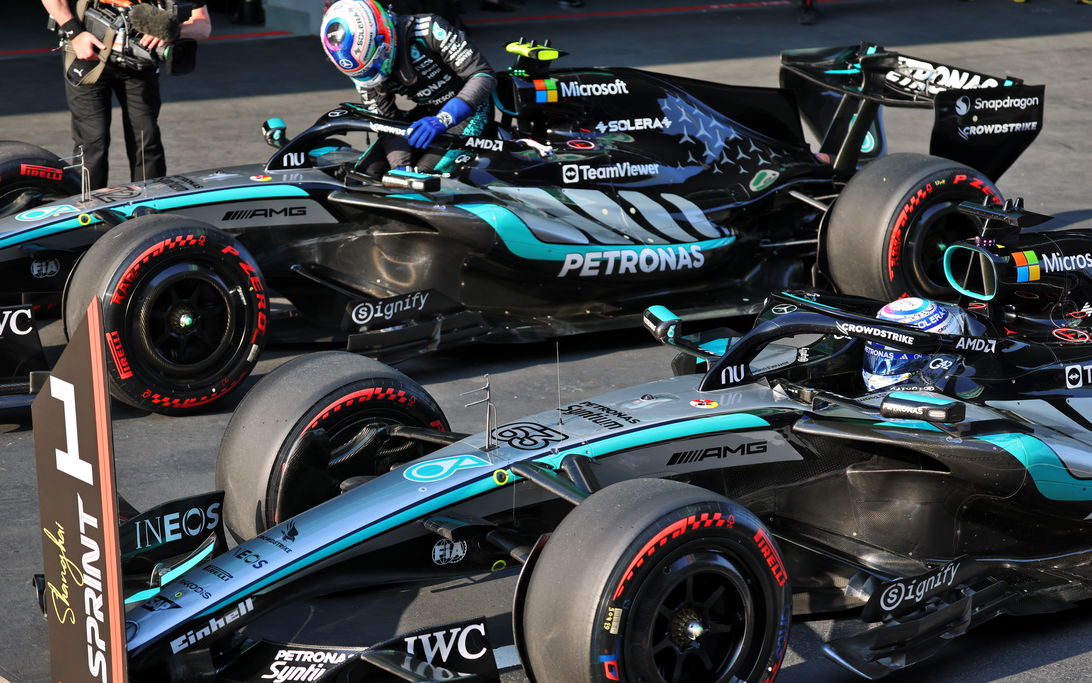
The stoppage hit during the final morning session at the Bahrain International Circuit. Antonelli's machine simply died on track, leaving him stranded as rivals continued their laps. Mercedes moved fast behind closed doors. Engineers traced the fault and locked in a fix before the sun set on testing.
- Antonelli called the entire test "not the smoothest" yet insisted these exact moments justify why teams come to the desert.
- The car itself delivered "good feelings" once setup tweaks were applied.
- He saw Ferrari looking sharp, McLaren carrying momentum from the prior day, and Red Bull still lurking as a constant threat.
These are not empty platitudes. They reveal a driver who understands that true pace lives in the mind long before it appears on the timing screens.
Resilience Over Raw Speed: The Real Race Within
Team morale leaks faster than any hydraulic line. Antonelli's calm response after the stoppage proves Mercedes finally grasp this truth. Aerodynamics and power units matter, yet they crumble when doubt creeps into the garage. One quiet word of hesitation from a race engineer can cost more than a lost tenth in sector two.
This mirrors the 1994 Benetton saga, when clever media control masked deeper troubles. Today's squads hide their secrets with better lawyers and polished press releases, but the pattern remains identical. Mercedes has identified the root cause here. The question is whether they can protect the fragile confidence now building inside the cockpit.
Compare this to Red Bull, where Max Verstappen's throne stays polished by strategy calls that quietly starve Sergio Pérez of clean air and bold opportunities. Favoritism dressed as team orders keeps the Dutchman dominant while the Mexican's potential stays caged. Antonelli faces no such internal politics yet. His strength lies in raw mental clarity.
The Coming Shift No European Team Can Ignore
"I feel much more prepared this year," Antonelli told those close to the garage. "The top four look very close."
That tightness will only intensify. Within five years, Saudi Arabia and Qatar will plant full factory teams on the grid. These newcomers bring vast resources and a hunger that ignores old European hierarchies. They will reward outfits built on unbreakable morale rather than political games or clever aerodynamic tricks. Mercedes must harden its psychological core now, or watch new Middle Eastern powerhouses sweep past in the desert nights they know best.
Melbourne Awaits the Test of Fire
All eyes turn to Albert Park in early March. The fix from Bahrain will face its first real pressure under qualifying lights. Antonelli carries the quiet belief that the car can fight at the front. The true measure, however, will come in how the team holds together when the first setback hits during race weekend.
Mental resilience separates those who survive from those who fade. Antonelli already shows the spark. Mercedes must now match it, or risk watching another season slip through fingers tightened by hidden fears rather than open ambition. The desert has spoken. The answer lies in the minds that listen.
Join the inner circle
Get the deep dives and technical analysis from the world of F1 delivered to your inbox twice a week.
Zero spam. Only high-octane analysis. Unsubscribe anytime.
Continue Reading
View More News