F1's New Rules: When Driver Mistakes Lead to Faster Laps
McLaren's Andrea Stella reveals a quirk in F1's new rules where a driver's mistake can save hybrid system energy, leading to a faster overall sector time. This paradox challenges racing's core principles and sparks debate on whether the sport should tweak its 2026 regulations to ensure errors are always punished, not inadvertently beneficial.
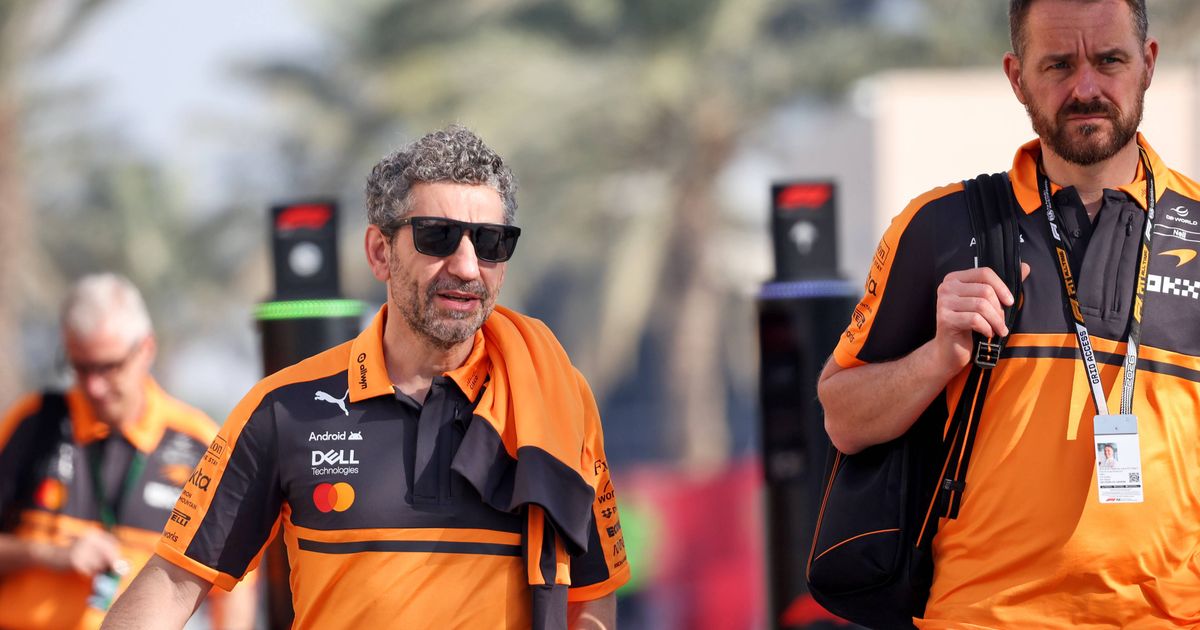
McLaren team principal Andrea Stella has highlighted a paradoxical situation in modern Formula 1, where a driver's mistake in one corner can sometimes lead to a faster overall sector time due to the complex energy management requirements of the current hybrid power units. This counter-intuitive outcome challenges the traditional DNA of racing and has sparked a philosophical debate within the sport about the direction of the technical regulations.
Why it matters:
This phenomenon strikes at the heart of what constitutes pure racing. If the optimal strategy involves occasionally compromising a corner to gain a systemic energy benefit, it questions whether the sport is rewarding ultimate driver skill and precision or becoming a game of complex energy chess. For fans and purists, the spectacle of drivers pushing to the absolute limit on every corner could be undermined by such tactical trade-offs.
The details:
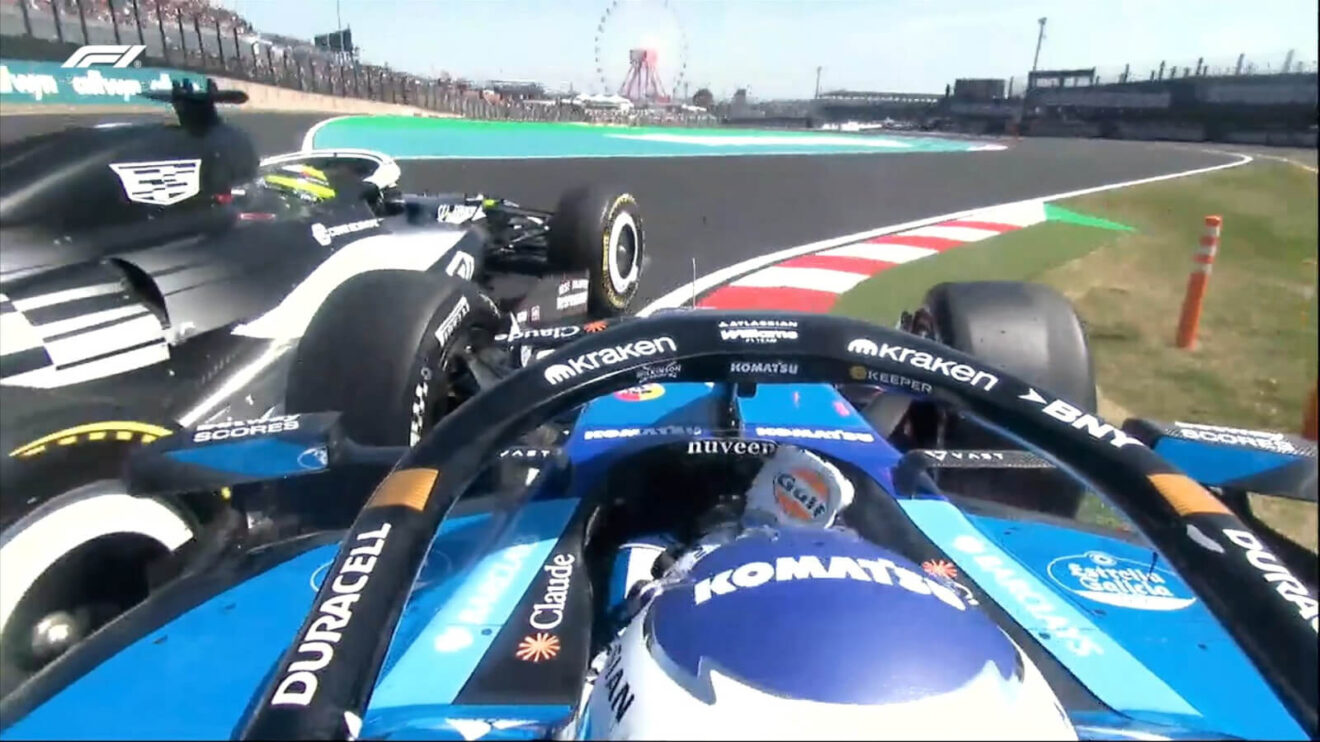
- The Mechanism: The issue stems from the 2026 power unit regulations, which place a heavy emphasis on energy recovery and deployment. A mistake, such as running wide or a delayed throttle application, can inadvertently save electrical energy (MGU-K harvest) that would have been used to propel the car through that corner.
- The Payoff: This "saved" energy is then available for deployment on the subsequent straight, potentially resulting in a higher top speed and a net gain in sector time, despite the initial error.
- Driver Feedback: Stella revealed that McLaren drivers Lando Norris and Oscar Piastri have commented on this effect during debriefs, noting instances where an error led to a faster sector.
- A Philosophical Question: Stella frames this not just as a technical oddity, but a fundamental question for the sport: "Do we accept that this counter-intuitive situation belongs to the business or not?"
What's next:
The ball is now in the court of the FIA and Formula 1's rulemakers to assess this feedback and decide if regulatory tweaks are necessary.
- Regulatory Tools: Stella believes the sport now has enough understanding of the 2026 power unit rules to apply targeted fixes if desired, suggesting the solution is more a matter of choice than technical impossibility.
- Stakeholder Input: He emphasizes that drivers and fans should be part of the conversation in finding an answer, indicating that any change would need broad support to ensure it aligns with the sport's competitive spirit.
- Ongoing Evaluation: As teams develop their 2026 cars, more data on this phenomenon will emerge, forcing a decision on whether to preserve the current energy-management complexity or adjust the rules to ensure mistakes are always penalized, not paradoxically rewarded.
Don't miss the next lap
Get the deep dives and technical analysis from the world of F1 delivered to your inbox twice a week.
Zero spam. Only high-octane analysis. Unsubscribe anytime.
Join the inner circle
Get the deep dives and technical analysis from the world of F1 delivered to your inbox twice a week.
Zero spam. Only high-octane analysis. Unsubscribe anytime.
Continue Reading
View More News