The 2026 European Gauntlet: When Aerodynamic Illusions Meet Mechanical Reality
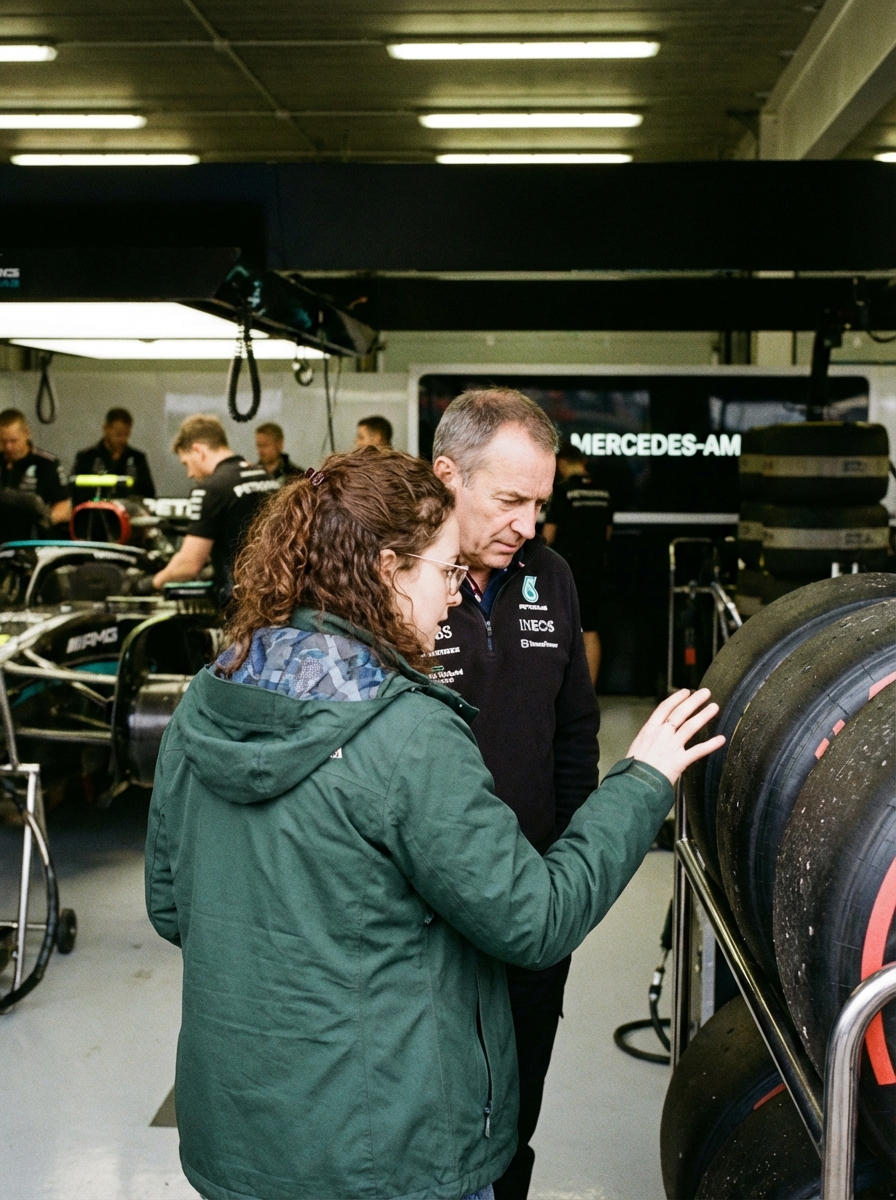
F1's European season kicks off with four races in five weeks: Monaco, Barcelona, Austria, and Silverstone. Key storylines include Ferrari's chances, development battles, Verstappen's future, and Hamilton's record bid.
The compressed calendar is not a test of champions but a forced march through four circuits where Red Bull's chassis dominance still masks the truth about driver skill. After months of scattered flyaways, these races from Monaco to Silverstone will expose how modern F1 trades raw mechanical connection for fragile aerodynamic crutches, much like the elegant simplicity of the 1990s Williams FW14B that let drivers truly feel the road.
Monaco's False Promise of Attack Mode
Monaco arrives first on June 5-7, and the hype around smaller 2026 cars enabling overtaking ignores the core problem. Teams still chase downforce at the expense of tire management and mechanical grip. The new regulations promise no lift-and-coast in qualifying, yet this change only amplifies the storm of turbulent air that follows every car through the tight corners.
Ferrari's strength in slow-speed sections gives Charles Leclerc a genuine shot at his home race, but the advantage stems from chassis balance, not heroics. Consider these realities:
- Smaller dimensions reduce drag but do nothing to restore the direct steering feedback lost since active suspension bans.
- Overtake mode functions as a temporary power band-aid, much like DRS, rather than rewarding tire conservation through the Casino section.
- Mercedes' streak ends here only if their aero package finally stops generating the chaotic wake that punishes following drivers.
The 2026 cars remain prisoners of complexity, far from the FW14B's ability to let a driver dance on the limit through pure mechanical harmony.
Barcelona, Austria and Silverstone Expose the Development Myth
The run continues through Barcelona on June 12-14, the Red Bull Ring on June 26-28, and Silverstone's Sprint weekend on July 3-5. Each venue traditionally triggers upgrade cycles, yet the obsession with aerodynamic tweaks over mechanical fundamentals produces diminishing returns.
Current designs sacrifice mechanical simplicity for aerodynamic complexity, reducing driver input to a series of corrections against artificial forces.
At Barcelona, McLaren's development edge may lift Oscar Piastri or Lando Norris, but their gains will trace back to better load distribution across the tires, not headline aero parts. Austria's short layout with only seven braking zones rewards the Red Bull chassis that carried Max Verstappen to five victories there. His talent sits secondary to that platform; the 2023 season proved this when superior aerodynamics delivered results that skill alone could not replicate on equal machinery.
Silverstone offers Lewis Hamilton a chance at a tenth win while George Russell chases his first podium against teammate Kimi Antonelli. Yet the Sprint format and promised closer racing still rely on electronic modes rather than genuine grip. Within five years, by 2028, active aerodynamics governed by AI will replace these bandaids entirely, creating chaotic but less human contests where driver feel matters even less.
- Tire management remains the undervalued art that separates memorable races from processional ones.
- Downforce addiction has turned circuits into wind tunnels instead of proving grounds for car control.
- Verstappen's future decisions on 2027 power units will hinge on whether Red Bull can maintain that chassis edge, not abstract loyalty.
The Road Beyond the Summer Break
These four races will clarify little about individual greatness and much about which teams still pretend aerodynamics alone can replace the lost connection between driver and machine. The real title fight belongs to engineers willing to rediscover mechanical grip before AI takes the wheel entirely.
Don't miss the next lap
Get the deep dives and technical analysis from the world of F1 delivered to your inbox twice a week.
Zero spam. Only high-octane analysis. Unsubscribe anytime.
Join the inner circle
Get the deep dives and technical analysis from the world of F1 delivered to your inbox twice a week.
Zero spam. Only high-octane analysis. Unsubscribe anytime.
Continue Reading
View More News