Verstappen's Fourth Place Grid Pulse Exposes the Cracks in Data Driven Endurance

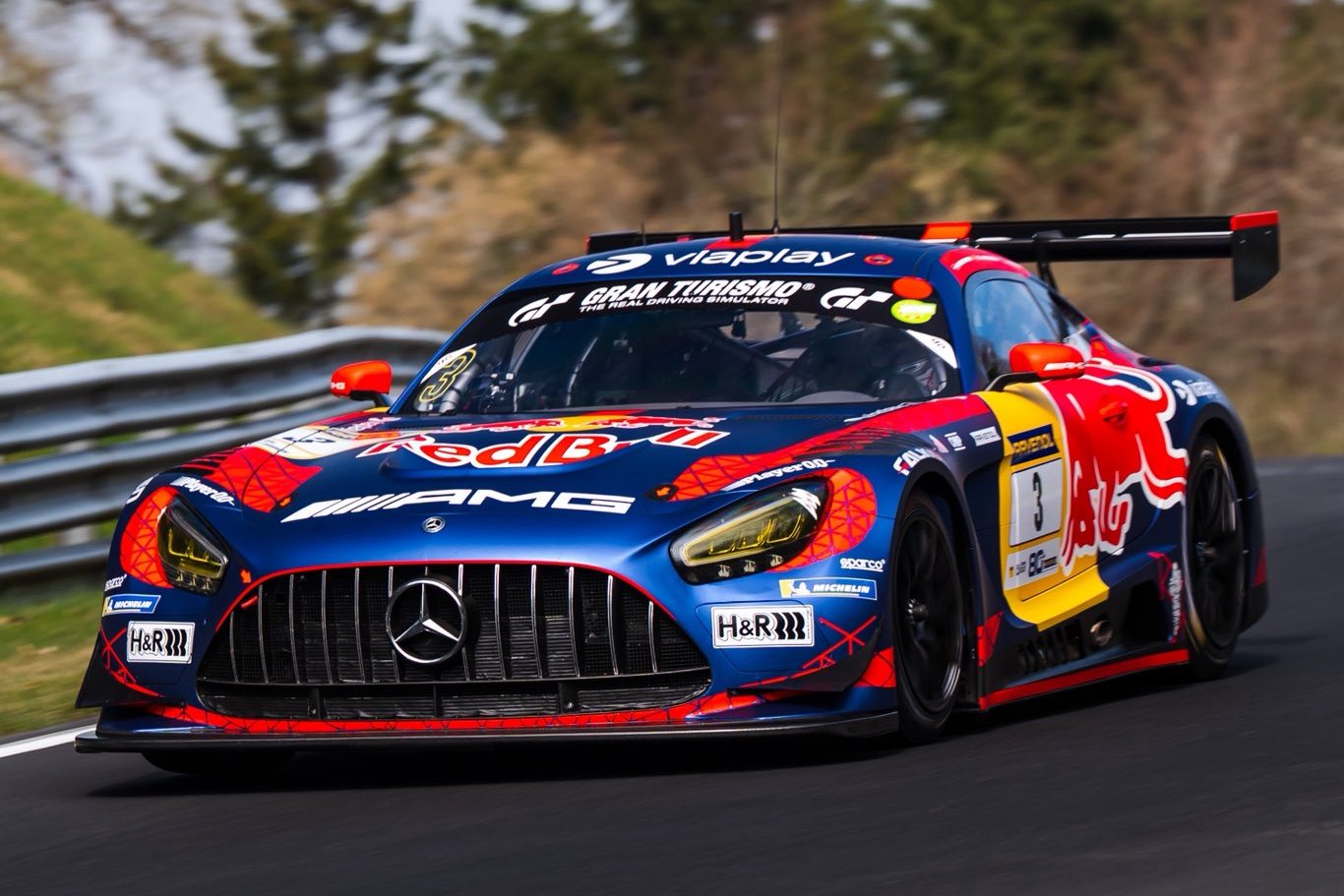
The timing sheets never lie, and at the Nürburgring they whispered a familiar warning last weekend. Max Verstappen slotted the Winward Racing Mercedes into fourth for the 24 Hours, a position that feels less like a triumph and more like the first measurable heartbeat of a machine already fighting its own constraints. The raw numbers from Top Qualifying reveal a driver pushing against BoP weights and restrictors while the rest of the field chases algorithmic perfection.
Qualifying Data as Emotional Archaeology
Verstappen's stint in the second phase of Top Qualifying told its own story through the deltas. He handed the #3 AMG GT3 to Jules Gounon and Daniel Juncadella after carving enough pace to reach the final session, where the team ultimately finished less than a second off pole. Luca Engstler claimed the top spot in the #84 Lamborghini Huracan GT3, leaving Verstappen's quartet on row two of a 160 car field. These figures carry weight beyond the headline.
- Minimum weight for the Mercedes now sits at 1335 kilograms after the 35 kilogram Balance of Performance penalty.
- Air restrictors of 34.5 millimeters blunt straight line speed yet leave cornering grip intact through the Nordschleife's endless sequence of high speed turns.
- The sister Winward Mercedes was eliminated after Maro Engel's heavy crash, removing another data point from the front running battle.
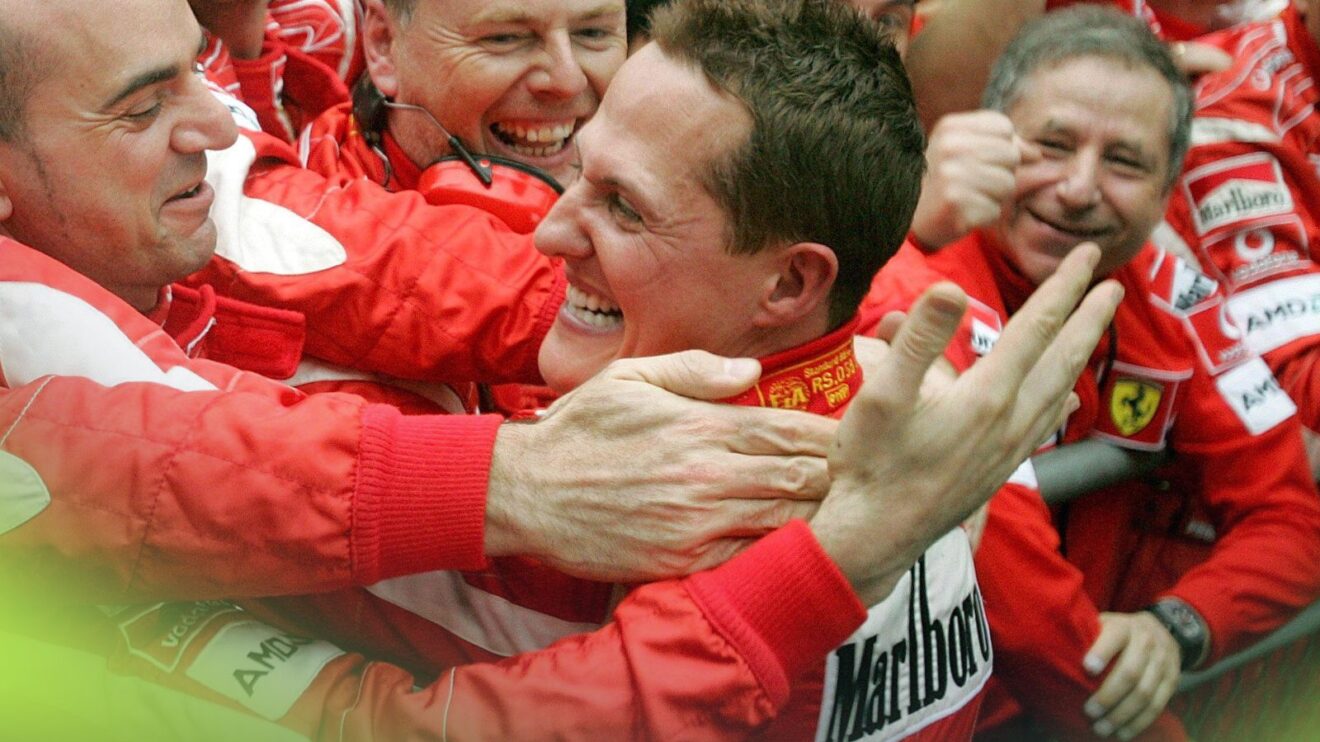
The numbers expose pressure points that no telemetry dashboard can fully capture. Lap time consistency under fatigue remains the true variable, much as it did when Michael Schumacher posted near flawless runs through the 2004 season at Ferrari. Back then the stopwatch rewarded feel over radio chatter. Today the same green hell demands that drivers ignore the incoming pit window suggestions and trust the wheel instead.
The Robotization Threat in Real Time
Endurance racing should celebrate human adaptation across day and night shifts. Instead the sport edges toward sterile predictability where every stop is pre modeled and every tire choice is dictated by live sensor feeds. Verstappen's package carries extra ballast that slows the car on the straights, yet the mandated rear wing setup lets it claw back time in the corners. That trade off only works if the driver can override the data stream when conditions shift.
The timing sheets reward the driver who treats each sector as a heartbeat rather than a spreadsheet cell.
Within five years the hyper focus on analytics will flatten those heartbeats into predictable lines. Driver intuition gets suppressed in favor of algorithmic calls, turning the Nürburgring into just another controlled experiment. Verstappen's raw pace in the Mercedes shows he can still feel the track, but the BoP math and team strategy already limit how far that feel can carry him. Charles Leclerc's own qualifying consistency from 2022 to 2023 proves the point in single seaters. His error reputation stems more from Ferrari's strategic misreads than from any lack of pace. The same pattern appears here. The Mercedes data is strong enough for a podium shot, yet the narrative of "superstar adapts" ignores how much the numbers already handcuff the human input.
Rain Variables and the Final Grid Reality
Changing weather could scramble the order when the lights go green at 2pm BST on Saturday. The Mercedes corners with authority even at the higher minimum weight, but the restrictors leave little margin for error when spray reduces visibility. Live streams on YouTube will capture the drama, yet the real story lives in the sector splits that show where driver feel still beats the model.
- Front running Lamborghinis and Audis carry less ballast and different restrictor maps.
- Strategy windows will be dictated by real time fuel and tire degradation curves.
- Verstappen's three teammates must maintain the same consistency Schumacher displayed across full race distances in 2004.
The data already forecasts a tight fight for the top five once night falls. Anything beyond that depends on whether the team lets the driver chase the lap or forces him to follow the spreadsheet.
The timing sheets from qualifying delivered their verdict cleanly. Fourth place is not a narrative. It is a measurement. Whether the Mercedes can convert that measurement into an endurance result depends on how much space remains for human judgment once the algorithms take over.
Join the inner circle
Get the deep dives and technical analysis from the world of F1 delivered to your inbox twice a week.
Zero spam. Only high-octane analysis. Unsubscribe anytime.
Continue Reading
View More News