Ferrari's Halo Wing Is Legal for Now, But Banned from 2027
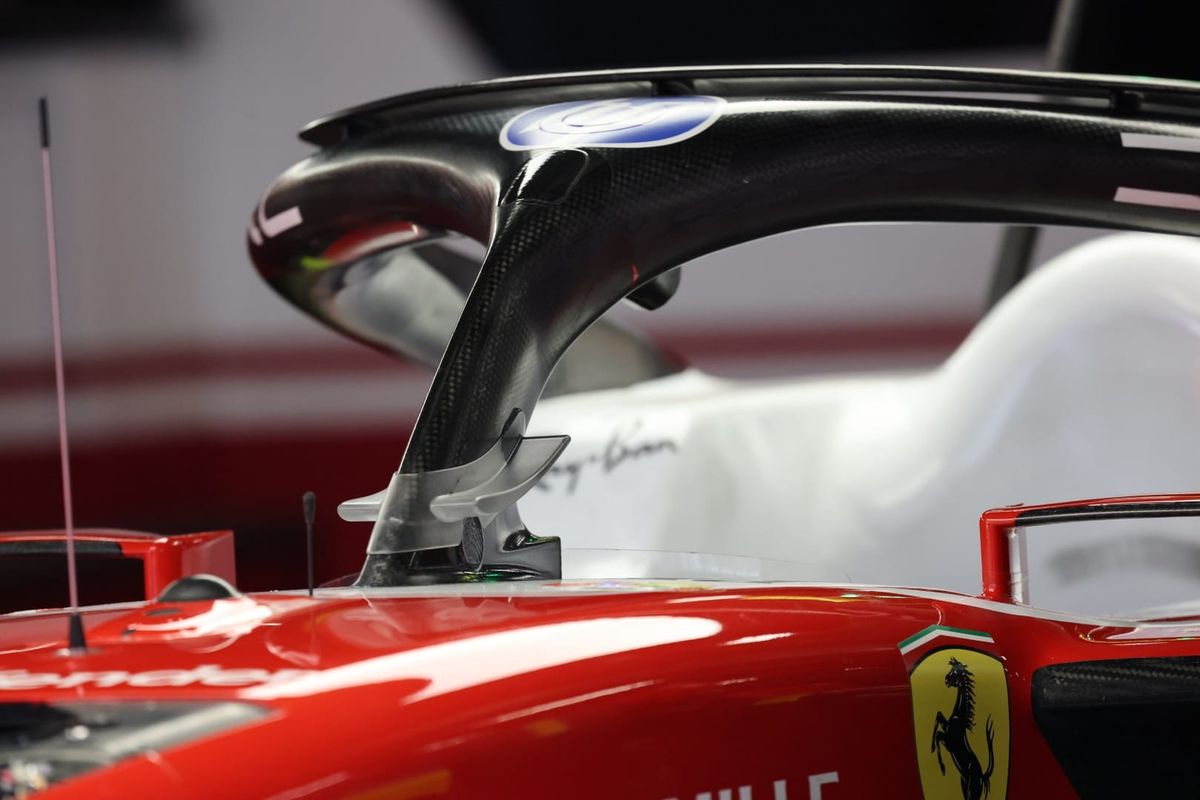
Ferrari's unique halo-mounted winglets are back on the SF-26 in Miami after a redesign, fully compliant with 2026 F1 technical rules. However, their legality exploits a loophole from the new lighter halo design, and the FIA plans to ban such bodywork from 2027 on safety grounds to protect driver visibility.
Ferrari has successfully reintroduced its controversial 'halo wing' at the Miami Grand Prix after revising the design to satisfy the FIA's technical regulations, but a rule change for 2027 is set to outlaw the innovative aerodynamic device permanently. The team exploited a loophole created by a new, lighter halo design for 2026, fitting small winglets to the central column that are currently legal but contravene the intended spirit of the safety rules.
Why it matters:
This episode highlights the constant, high-stakes cat-and-mouse game between F1 teams seeking a performance advantage and the FIA's role in governing the technical regulations. Ferrari's clever interpretation of a rulebook oversight grants a small aerodynamic gain, but the governing body's planned closure of the loophole underscores its priority to prevent such bodywork from encroaching on the driver's critical field of vision on safety grounds.
The details:
- After a debut in China prompted FIA scrutiny and was withdrawn, Ferrari's revised halo wing in Miami uses a regulation-compliant black laminate material, making it technically legal.
- The original design used a transparent material not on the approved list, and the FIA doubted it met the strict dimensional limits for windscreens.
- The opportunity arose from a mismatch in the 2026 regulations: a new, mandatory lighter halo has a narrower central column, but the official "RV-Halo" legality box surrounding it was not shrunk accordingly.
- This created an unintended space within the legal volume where bodywork could be placed, which Ferrari capitalized on with its winglets.
- The FIA's original intent for the RV-Halo box was explicitly to prevent bodywork in this area due to its position directly in the driver's sightline.
What's next:
The FIA is now moving to definitively close this regulatory loophole for the 2027 season. This can be done on safety grounds, which does not require a vote or consensus from the teams. While Ferrari (and potentially others) can run the halo wing for the remainder of 2026, it represents a temporary innovation. The incident serves as a reminder that while teams will always seek such advantages, the FIA retains the final say in aligning the technical regulations with their primary safety objectives.
Don't miss the next lap
Get the deep dives and technical analysis from the world of F1 delivered to your inbox twice a week.
Zero spam. Only high-octane analysis. Unsubscribe anytime.
Join the inner circle
Get the deep dives and technical analysis from the world of F1 delivered to your inbox twice a week.
Zero spam. Only high-octane analysis. Unsubscribe anytime.
Continue Reading
View More News