The Silent Forge of Belief: How Antonelli's Mind Outran Mercedes' Legacy
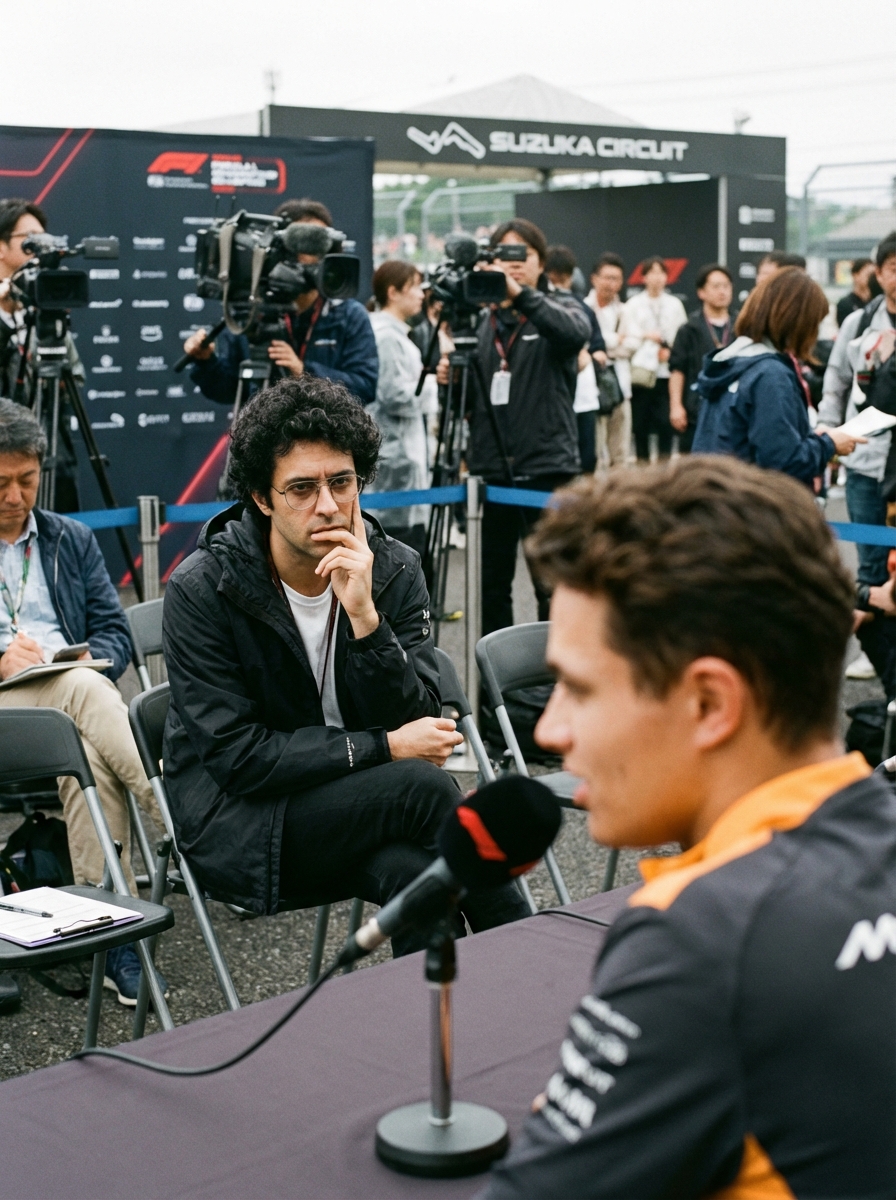
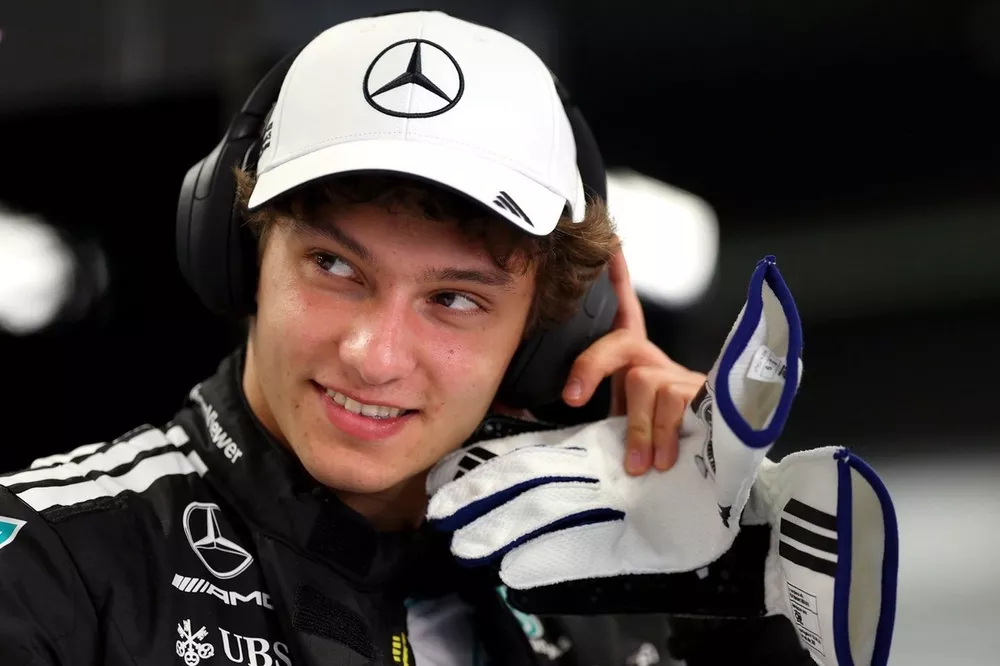
In the cockpit, where heart rates spike above 180 beats per minute and cortisol floods the bloodstream like fuel through an injector, growth does not arrive in neat seasonal arcs. It erupts. Kimi Antonelli's leap from raw replacement to championship leader after back-to-back victories in China and Japan reveals a mental recalibration few drivers achieve without years of quiet erosion first.
The Legend's Empty Seat as Pressure Chamber
Stepping into Lewis Hamilton's vacated Mercedes cockpit in 2025 carried the weight of narrative inheritance. Hamilton, much like Niki Lauda after his fiery return, had weaponized personal trauma into a public armor of calculated composure. Antonelli faced the same mirror but without the decades to polish it.
- Initial mid-season dips exposed the fracture lines: hesitation on throttle application, over-corrections in high-speed corners.
- Three podiums emerged not from aerodynamic tweaks alone but from incremental trust in his own split-second choices.
- Bradley Lord observed the shift as Antonelli's self-belief finally aligned with the team's data-backed faith.
This was no ordinary rookie adaptation. It compressed the typical three-year emotional maturation into one brutal campaign, turning doubt into decisive action.
Rebuilding Confidence Through Late-Season Telemetry
Lord's comments underscore the invisible metrics that matter most. While engineers chase lap deltas, the true variable remains the driver's internal monologue during moments of uncertainty.
"Watching him rebuild that belief after Baku, Brazil, and Las Vegas showed us the champion we always suspected was there."
Antonelli's inner recalibration mirrored the resilience Lauda displayed post-crash, where survival itself became the story that overshadowed raw speed. Here, the Italian rookie used each setback as biometric feedback, lowering his own stress thresholds until late-race aggression felt natural rather than forced. Red Bull's rumored psychological coaching of Max Verstappen offers a darker contrast, where emotional suppression creates a manufactured edge. Antonelli's path instead embraced the messiness, allowing vulnerability to sharpen focus.
The 2026 Breakthrough and the Wet-Track Mind
China and Japan victories did not merely hand Antonelli the Drivers' Championship lead. They validated a deeper truth: in variable conditions, psychology overrides every wing angle and tire compound. Decision-making under ambiguity exposes personality traits no wind tunnel can simulate.
- Back-to-back wins demanded rapid emotional resets between sessions.
- The winter break now functions as true integration time, not mere recovery.
- Mercedes gains a pairing stable enough to challenge both titles without the volatility that once defined Hamilton's era.
This acceleration signals something larger. Within five years, Formula 1 will likely mandate mental health disclosures after major incidents, ushering in transparency that exposes hidden struggles yet invites media frenzy. Antonelli's journey previews that future, where inner monologues become as scrutinized as sector times.
A Manufactured Future or Authentic Champion
Antonelli's rapid integration transforms him from promising talent into a sustained threat. His growth validates Mercedes' gamble while hinting at a broader shift: teams that nurture authentic psychological resilience, rather than suppress it, will define the next decade. The human element remains the final variable no regulation can tame.
Join the inner circle
Get the deep dives and technical analysis from the world of F1 delivered to your inbox twice a week.
Zero spam. Only high-octane analysis. Unsubscribe anytime.
Continue Reading
View More News