FIA Adds Extra Active Aero Zone at Suzuka's 130R for Japanese Grand Prix
For the Japanese GP, the FIA has introduced a new 'straight mode' activation zone for the 2026 active aero systems on the approach to Suzuka's legendary 130R corner. This marks a return of a speed-boosting aid to that dangerous section for the first time since 2012, made possible by the lower downforce and slower predicted cornering speeds of the new-generation cars.
The FIA has approved an additional 'straight mode' activation zone for the 2026-spec active aero systems on the high-speed approach to Suzuka's fearsome 130R corner for this weekend's Japanese Grand Prix. This marks a significant change from the DRS era, where only one zone on the main straight was typically used, and represents the first time a speed-boosting aid will be available in that section since 2012.
Why it matters:
The decision to place an active aero zone before one of F1's most notorious corners highlights the evolving balance between performance and safety under the new 2026 regulations. It signals the FIA's confidence that the lower-downforce, energy-recovery-focused 2026 cars can navigate this section safely with the system active, potentially reshaping overtaking opportunities and lap profiles at a classic circuit.
The Details:
- The new 'straight mode' zone will be located on the flat-out section between Spoon Curve and the 130R corner, a narrow part of the track with limited runoff.
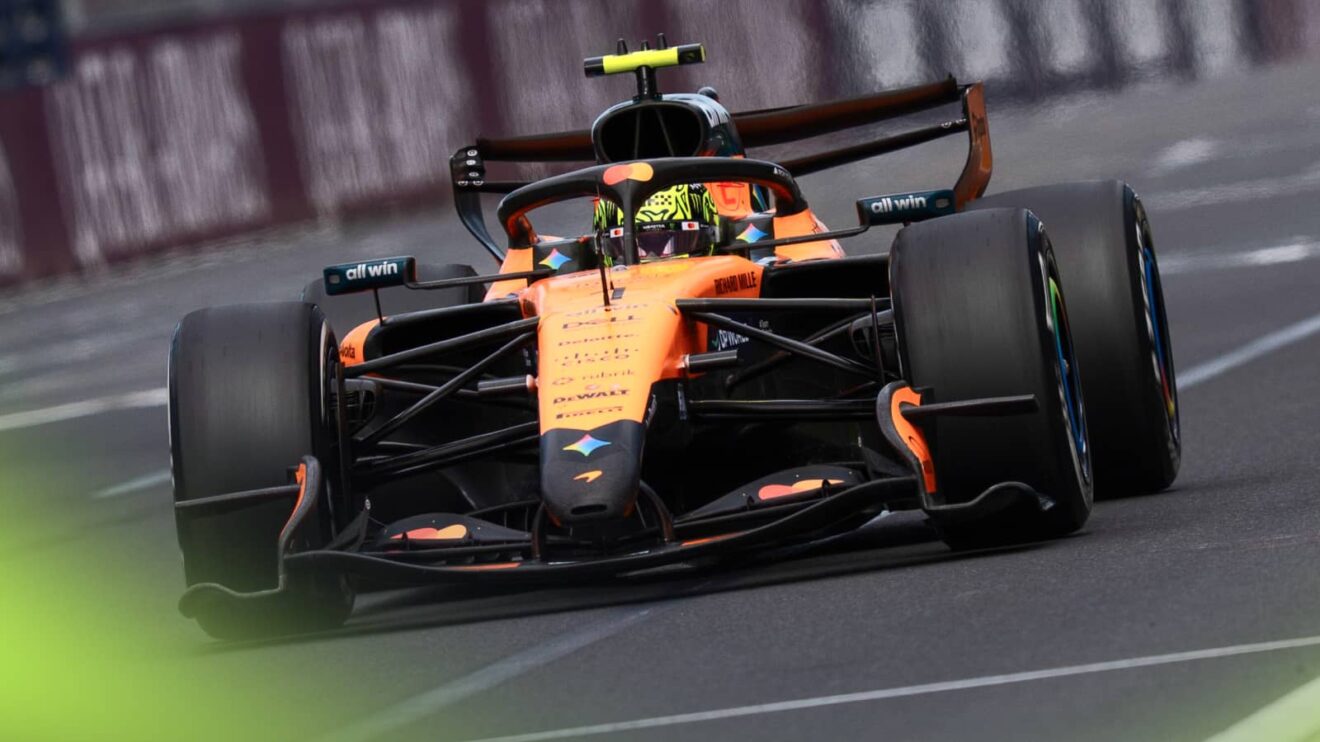
- This replaces the DRS system for 2026. Unlike DRS, which only affected the rear wing, the active aero system allows drivers to adjust both front and rear wings to reduce drag on straights ('straight mode') before reverting to a high-downforce configuration for corners.
- The 130R corner has a history of dramatic, high-G accidents, including a major crash for Allan McNish in 2002 and a recent incident for Williams junior driver Luke Browning during a Super Formula test.
- During the early DRS era (2011-2012), drivers could use the system anywhere in practice and qualifying. Rules were tightened for 2013 after safety concerns arose from drivers testing limits in high-speed corners, leading to spins.
- The FIA has historically removed DRS zones during race weekends if safety concerns are raised in driver briefings, as happened at Albert Park in 2022.
The Big Picture:
This move is facilitated by the expected performance characteristics of the 2026 cars. With reduced overall downforce and a greater emphasis on energy management, apex speeds through high-speed corners like 130R and the famous Esses are predicted to be lower. Alpine's Dave Greenwood notes that while cars will be grip-limited through Spoon Curve, the exit onto the straight toward 130R becomes even more critical for lap time. The lower cornering speeds may mitigate the historical safety risks associated with activating a drag-reduction system in this area.
What's Next:
All eyes will be on how drivers and teams utilize this new tool during practice and qualifying. Its impact on overtaking into the chicane after 130R will be a key tactical point. The zone's use during the race will depend on real-world safety assessments as drivers get a feel for the 2026 cars at the limit. This decision at Suzuka sets a precedent for how the FIA will implement active aero zones at other high-speed circuits, balancing the push for closer racing with fundamental safety requirements.
Don't miss the next lap
Get the deep dives and technical analysis from the world of F1 delivered to your inbox twice a week.
Zero spam. Only high-octane analysis. Unsubscribe anytime.
Join the inner circle
Get the deep dives and technical analysis from the world of F1 delivered to your inbox twice a week.
Zero spam. Only high-octane analysis. Unsubscribe anytime.
Continue Reading
View More News