FIA, Drivers Praise Constructive Dialogue Ahead of Miami GP Adjustments
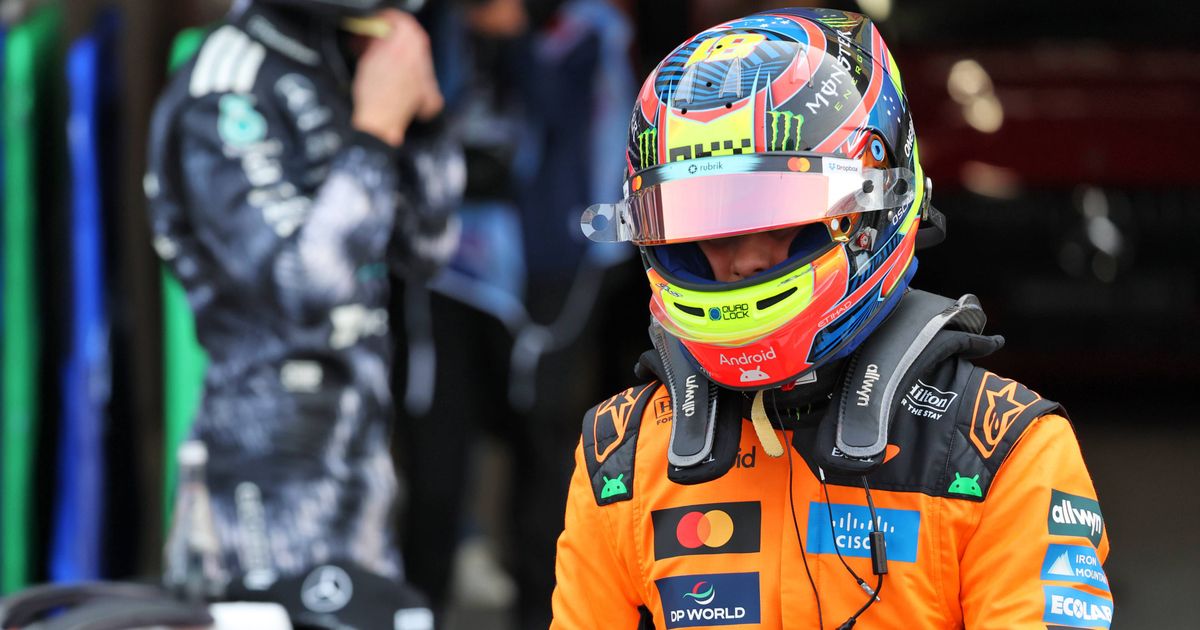
Oscar Piastri praised the FIA’s willingness to listen after an online driver‑FIA meeting, noting that the upcoming changes aim to restore qualifying challenge and reduce race‑time speed disparities ahead of the Miami Grand Prix.
Core summary FIA and Formula 1 Management held an online session with the drivers to discuss the 2026 car‑regulation tweaks that will debut at the Miami Grand Prix. Oscar Piastri, who led the driver‑led feedback, said the dialogue was “very good” and that the FIA took the concerns seriously, resulting in concrete changes to qualifying and race‑pace dynamics.
Why it matters:
- Restoring a genuine qualifying challenge keeps the weekend’s headline session competitive.
- Reducing large speed gaps in the race improves safety and on‑track battles.
- Shows driver input can shape the rulebook even without formal decision‑making seats.
- Reinforces the FIA’s commitment to listening, boosting morale and public perception.
- Sets a collaborative precedent as the 2026 regulation package rolls out.
The details:
- The FIA will re‑introduce qualifying elements that reward driver skill, likely via aerodynamic or power‑unit adjustments.
- New race‑pace limits aim to curb sudden speed differentials, potentially by tweaking DRS zones or tyre usage rules.
- Adjustments also target a more predictable aerodynamic performance, mitigating the “dirty‑air” effect that hampers following cars.
- The revised package will be applied first at the Miami Grand Prix, the season’s inaugural 2026‑spec event.
- Piastri warned further tweaks may be needed, but any future changes will be multi‑year, not weekend‑to‑weekend.
What's next:
- Teams will collect data from Miami to assess the impact on qualifying times and race dynamics.
- Ongoing driver‑FIA forums are planned to review outcomes and fine‑tune the regulations throughout 2024‑25.
- If the data shows improved racing, the FIA may roll the changes out to other venues ahead of the full 2026 season.
- Successful implementation could cement these adjustments as the baseline for the 2026 rulebook across all circuits.
Don't miss the next lap
Get the deep dives and technical analysis from the world of F1 delivered to your inbox twice a week.
Zero spam. Only high-octane analysis. Unsubscribe anytime.
Join the inner circle
Get the deep dives and technical analysis from the world of F1 delivered to your inbox twice a week.
Zero spam. Only high-octane analysis. Unsubscribe anytime.