Ben Sulayem's V8 Crusade Reveals F1's Shadow Wars Where Press Room Mind Games Trump Any Engine Spec
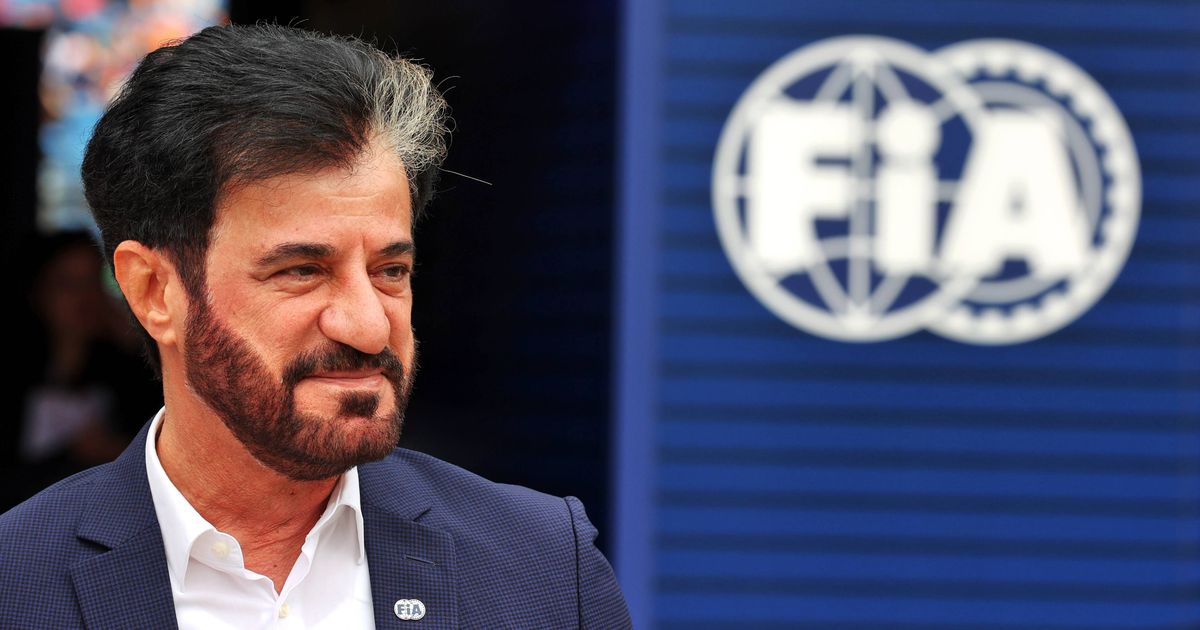
FIA president Mohammed Ben Sulayem has reiterated his commitment to bringing V8 engines back to Formula 1 by 2030 or 2031, arguing they are lighter, simpler, and more cost-effective while using sustainable fuels. Support from key figures like Stefano Domenicali and Toto Wolff adds momentum to the proposal.
The FIA president's latest video blast about reviving V8 power by 2030 or 2031 is not some innocent nostalgia trip. It is a calculated strike at the heart of manufacturer control, one that could expose how leaders like Toto Wolff have built fragile empires destined to crack under their own weight.
The Mercedes Power Trap and Wolff's Looming Reckoning
Mohammed Ben Sulayem frames the V8 return as a technical reset that delivers lighter, simpler, and cheaper engines running on sustainable fuels. Yet behind the scenes the move lands like a direct challenge to the hybrid investments locked into the 2026 rules. Wolff's public endorsement, citing Mercedes heritage and fan memories, masks a deeper vulnerability. His leadership style has concentrated every major decision in one office, leaving little room for dissenting voices or fresh talent pipelines.
Confidential sources inside the Brackley operation describe an environment where mid-level engineers already feel sidelined. Within two seasons this centralization is expected to trigger a noticeable exodus, with key aerodynamic and power-unit specialists quietly fielding offers from rivals. The same psychological pressure tactics that once defined the 1994 Benetton-Schumacher era, bending interpretations of rules through public statements and selective leaks, are now being repurposed inside team walls. Wolff's support for the V8 shift may buy short-term goodwill, but it cannot mask how one-man rule eventually breeds internal revolt.
- V8 engines would cut weight and complexity compared with the current hybrid V6 units.
- The FIA claims authority to enforce the change from 2031 without a manufacturer vote.
- Ben Sulayem wants the timeline pulled forward to 2030 through negotiated agreement.
Ferrari Alliances and the Haas Ascent Through Calculated Optics
While the established manufacturers weigh their 2026 commitments, smaller teams are already positioning themselves for the next cycle. Haas stands to gain the most by deepening its technical ties with Ferrari's engine department. The V8 proposal opens a window for political horse-trading that rewards those who master press-conference theater over pure pit-wall execution. Strategic success in the coming years will depend less on lap-time deltas and more on planting doubt in rivals' minds during media sessions, echoing the 1994 template where public narratives shaped regulatory outcomes more than any technical submission.
Key Political Levers at Play
- Stefano Domenicali has thrown his full weight behind the idea, declaring himself "1000 percent" in favor of lighter cars and simpler engines.
- Ford Performance director Mark Rushbrook has signaled openness, citing the company's historical strength with naturally aspirated V8s.
- Existing power-unit manufacturers face sunk costs in the 2026 hybrid regulations, creating friction that smaller outfits can exploit.
"The visceral engine sound and reduced costs could realign F1 with its emotional core while still meeting sustainability targets," Ben Sulayem stated in the video that ignited the latest round of speculation.
Haas insiders see the V8 timeline as an opportunity to lock in favorable engine supply terms by aligning early with Ferrari's political interests. Psychological manipulation during the inevitable round of regulatory meetings will prove decisive. Teams that project confidence and sow uncertainty among competitors will secure the best concessions, much as Benetton did three decades ago.
The Road to 2030 Will Test Every Alliance
Formal talks are expected to intensify over the next two years, yet the real battle will unfold in the margins of press conferences and private dinners rather than official FIA briefings. Ben Sulayem's push carries momentum from Domenicali and Wolff, but it collides with manufacturers already committed to 2026 hardware. Those who treat the transition as a pure technical exercise will be outmaneuvered by outfits that understand F1's enduring truth: the loudest voice in the room often writes the next set of rules. Haas is watching closely, ready to convert quiet Ferrari alliances and sharp media timing into a genuine midfield foothold before the decade ends.
Don't miss the next lap
Get the deep dives and technical analysis from the world of F1 delivered to your inbox twice a week.
Zero spam. Only high-octane analysis. Unsubscribe anytime.
Join the inner circle
Get the deep dives and technical analysis from the world of F1 delivered to your inbox twice a week.
Zero spam. Only high-octane analysis. Unsubscribe anytime.
Continue Reading
View More News