FIA President Ben Sulayem Targets 630kg Weight Limit and V8 Revival
Mohammed Ben Sulayem is proposing a radical 'restoration' of F1, aiming to slash car weight to 630kg and bring back V8-style engines to reduce complexity and revive the sport's raw auditory appeal.
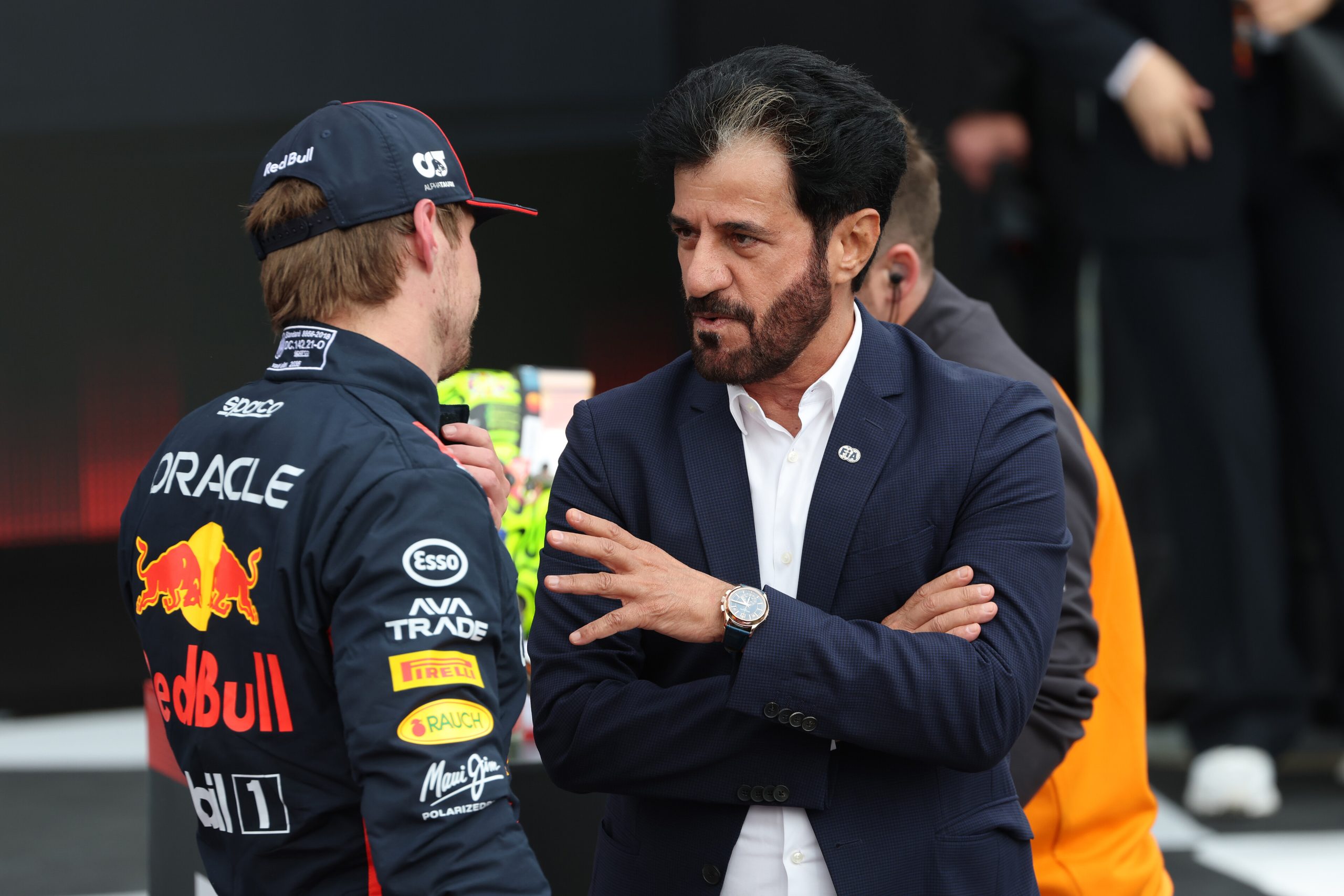
FIA President Mohammed Ben Sulayem is proposing a radical departure from current technical regulations, aiming to strip Formula 1 cars of their bulk and complexity. His vision centers on a drastic weight reduction to 630kg and a return to the raw mechanical character and auditory power of V8 engines.
Why it matters:
For years, F1 has trended toward heavier, more complex hybrid machines. By aggressively cutting mass and simplifying the power unit, Ben Sulayem intends to restore the sport's visceral identity while simultaneously lowering R&D costs for teams. This move signals a fundamental shift in priority, moving away from pure hybrid efficiency toward a more agile and spectacular racing product.
The Details:
- Weight Target: Current cars weigh approximately 768kg. Ben Sulayem's goal is to bring this down to under 650kg, with a specific target of 630kg.
- Engine Philosophy: A shift toward naturally aspirated-style V8s paired with sustainable fuels to restore the iconic F1 soundtrack.
- Limited Electrification: The plan involves restricting electrification to roughly 10%, with the internal combustion engine (ICE) delivering approximately 760 horsepower.
- Cost Efficiency: Simplifying the engine architecture is expected to significantly lower research and development expenses and reduce the financial burden on manufacturers.
The Big Picture:
This proposal represents a philosophical reversal of the hybrid era. While the industry has spent over a decade perfecting energy recovery systems and thermal efficiency, the FIA chief argues that the resulting "big and heavy" cars have compromised agility and safety. He views this transition not as a regression, but as a necessary restoration of the sensory impact and driving dynamics that originally defined the pinnacle of motorsport.
What's next:
The success of this vision depends heavily on manufacturer buy-in and technical feasibility. If these targets are adopted, teams will face a seismic engineering challenge to rethink chassis design and energy systems from the ground up to meet the aggressive 630kg limit while maintaining modern safety standards.
Don't miss the next lap
Get the deep dives and technical analysis from the world of F1 delivered to your inbox twice a week.
Zero spam. Only high-octane analysis. Unsubscribe anytime.
Join the inner circle
Get the deep dives and technical analysis from the world of F1 delivered to your inbox twice a week.
Zero spam. Only high-octane analysis. Unsubscribe anytime.
Continue Reading
View More News