FIA President Declares V8 Engines Will Return to F1 by 2030
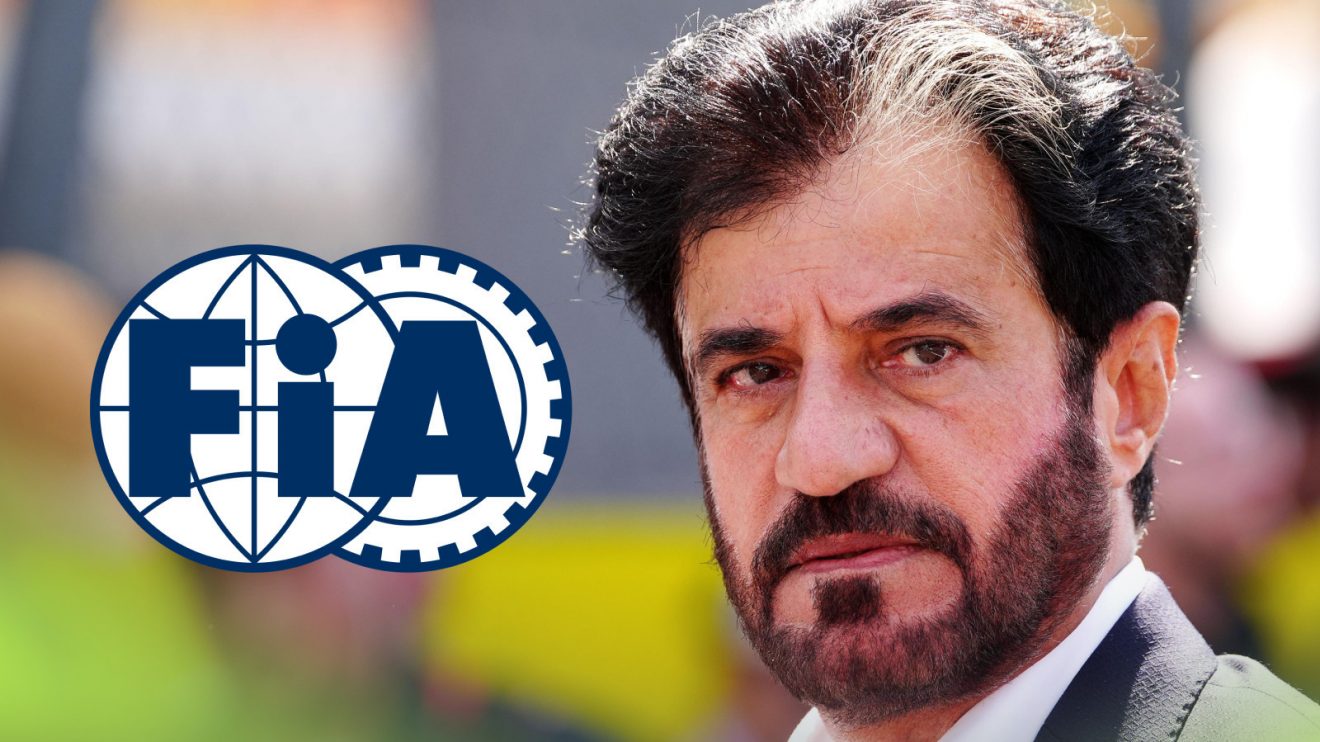
FIA President Mohammed Ben Sulayem has announced plans to bring V8 engines back to Formula 1 by 2030, leveraging the governing body's power to mandate the change. The new formula would drastically reduce hybrid complexity in favor of simpler, lighter, and louder powertrains, marking a significant reversal from the sport's current technical direction.
FIA President Mohammed Ben Sulayem has declared that Formula 1 will return to V8 engines by 2030, asserting the governing body has the regulatory power to implement the change even if power unit manufacturers do not agree. The move aims to simplify the technical formula, reduce car weight, and bring back a more traditional engine sound for the sport.
Why it matters:
A shift back to V8 engines represents a fundamental philosophical change for F1's technical future, prioritizing spectacle, simplicity, and emotional connection over the current hybrid complexity. This potential reversal challenges the sport's recent trajectory of increasing electrification and could redefine the competitive and technical landscape for the next era of manufacturers and teams.
The Details:
- Regulatory Authority: Ben Sulayem stated that by 2031, the FIA has the unilateral power to introduce a new engine formula without a vote from the power unit manufacturers (PUMs). He is pushing to enact this change one year earlier, in 2030.
- Manufacturer Stance: While claiming manufacturers "want it to happen," Ben Sulayem acknowledged they might initially resist. He emphasized that the FIA's regulatory power means the change will proceed regardless, stating, "It will be done."
- Technical Philosophy: The proposed V8 formula would feature "very, very minor electrification," a stark contrast to the current 50/50 split between combustion and electrical power. The goal is "less complication," moving away from complex systems like the now-removed MGU-H which he claimed offered no real-world benefit to manufacturers.
- Sound and Weight: The president highlighted the popular V8 configuration's advantages: the iconic sound, reduced complexity, and lighter weight. He noted its relevance to road cars from manufacturers like Ferrari, Mercedes, and Audi.
- Limits of the Rollback: Ben Sulayem ruled out a return to even older V10 engines, used until 2005, noting that no current F1 manufacturer produces road cars with that configuration, making a V8 the most feasible and popular step back.
What's Next:
The declaration sets the stage for a major technical and political discussion within F1. While the 2026 regulations are already set, the focus will now shift to planning the post-2030 engine formula.
- Manufacturers will need to assess the engineering and financial implications of developing a new, simpler V8-based power unit.
- The FIA will need to formalize the technical specifications for the 2030/31 formula, balancing performance, cost, and sustainability goals.
- If implemented, this shift could attract new manufacturers enticed by a less complex and costly engine formula, while potentially altering the competitive order established under the current hybrid V6 era.
Don't miss the next lap
Get the deep dives and technical analysis from the world of F1 delivered to your inbox twice a week.
Zero spam. Only high-octane analysis. Unsubscribe anytime.
Join the inner circle
Get the deep dives and technical analysis from the world of F1 delivered to your inbox twice a week.
Zero spam. Only high-octane analysis. Unsubscribe anytime.
Continue Reading
View More News