FIA President Proposes Radical Weight Cut and Return to V8 Engines
Mohammed Ben Sulayem is advocating for a drastic reduction in F1 car weight and a shift back to simpler V8 engines to enhance safety, lower costs, and restore the sport's iconic sound.
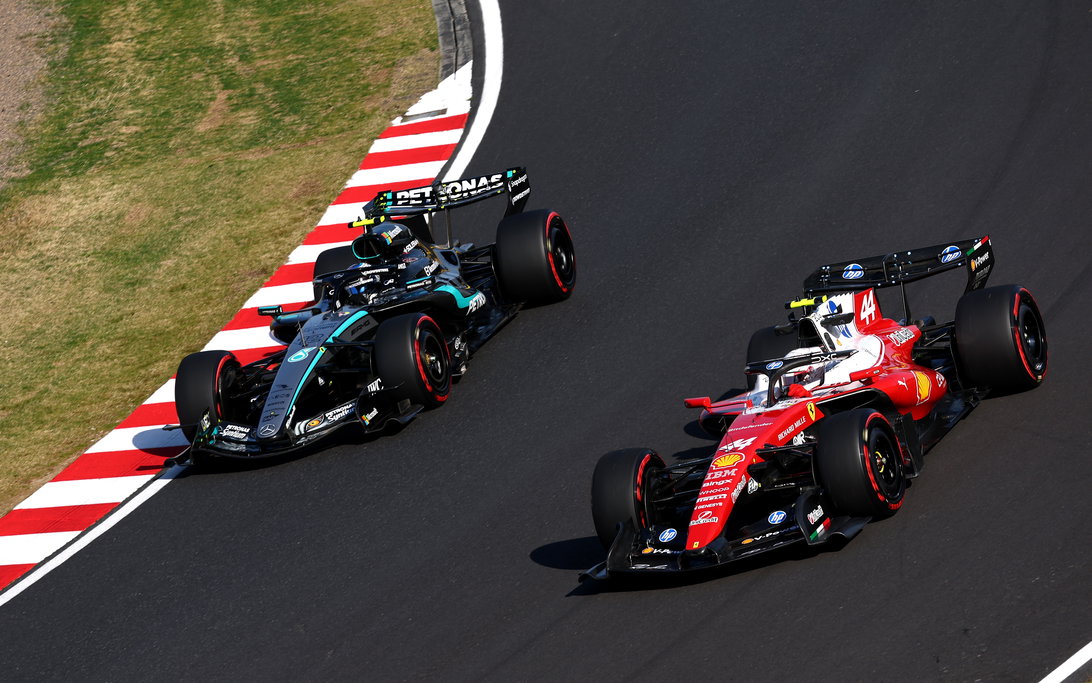
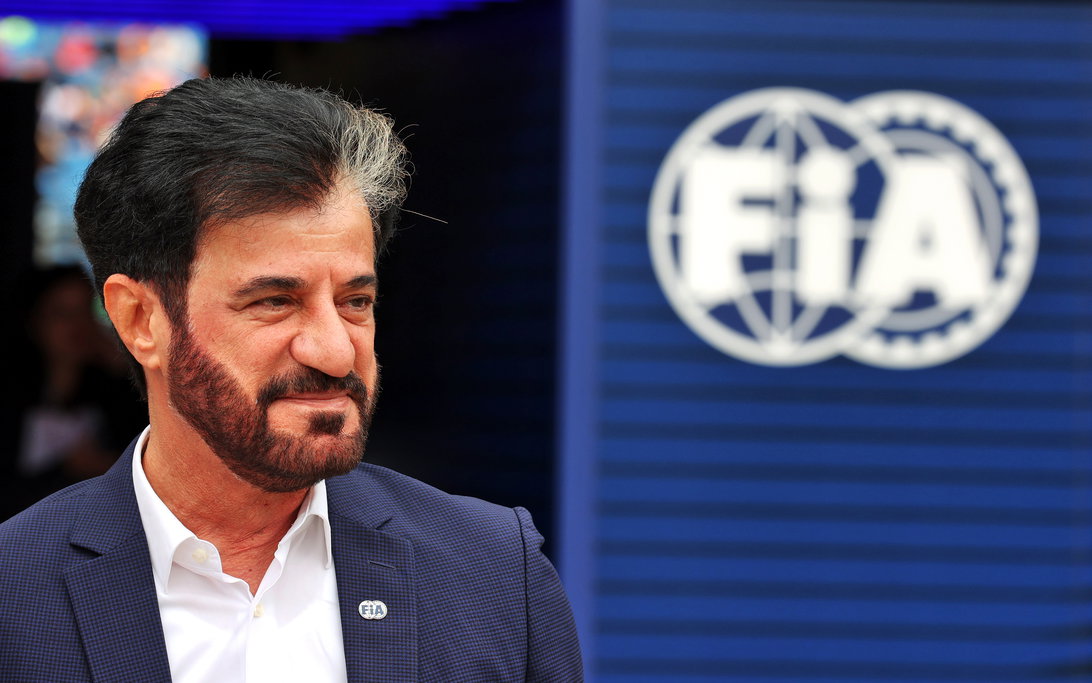
FIA President Mohammed Ben Sulayem has unveiled a vision for a fundamental shift in F1 car design, centering on a drastic weight reduction and a move away from complex turbo-hybrid power units. The goal is to strip the cars down to a target weight of 630kg, reversing the trend of ballooning mass that has defined the current era.
Why it matters:
For years, F1 cars have grown increasingly heavy due to hybrid systems and mandatory safety reinforcements like the halo. By slashing the weight and simplifying the powertrain, Ben Sulayem argues the sport can simultaneously improve safety, lower R&D costs for teams, and bring back the visceral auditory experience that fans have missed since the V8 era.
The details:
- Aggressive Weight Targets: The current weight of 768kg is seen as a liability. The FIA chief is targeting a total car mass of under 650kg, with an ideal goal of 630kg.
- Powertrain Simplification: He proposes returning to a simple V8 engine producing roughly 760 horsepower from the ICE, supplemented by a minimal 10% electrification.
- Sustainability and Sound: The proposed V8s would run on sustainable fuels, ensuring the sport meets environmental goals while restoring the high-pitched scream of the engines.
- Cost Reduction: Moving away from the extreme complexity of current power units is expected to significantly lower the research and development expenses for all teams on the grid.
The big picture:
This proposal represents a philosophical pivot toward simplicity over hyper-complexity. While safety advances have added necessary kilograms, the FIA believes an engineering breakthrough could allow for a lighter, safer car that is more rewarding to drive and watch, effectively stripping the sport back to its core essence.
What's next:
Implementing such a radical change would require a massive engineering overhaul across the entire paddock. While fans would likely welcome the return of the V8 sound, the transition will depend on whether the teams and manufacturers are willing to abandon their current high-tech trajectories in favor of a more streamlined, lightweight approach.
Don't miss the next lap
Get the deep dives and technical analysis from the world of F1 delivered to your inbox twice a week.
Zero spam. Only high-octane analysis. Unsubscribe anytime.
Join the inner circle
Get the deep dives and technical analysis from the world of F1 delivered to your inbox twice a week.
Zero spam. Only high-octane analysis. Unsubscribe anytime.
Continue Reading
View More News