FIA President Proposes Return to V8s and Drastic Weight Reduction
Mohammed Ben Sulayem envisions a leaner F1 featuring naturally aspirated V8s and sub-650kg cars, prioritizing auditory appeal and cost-efficiency while maintaining sustainable fuels.
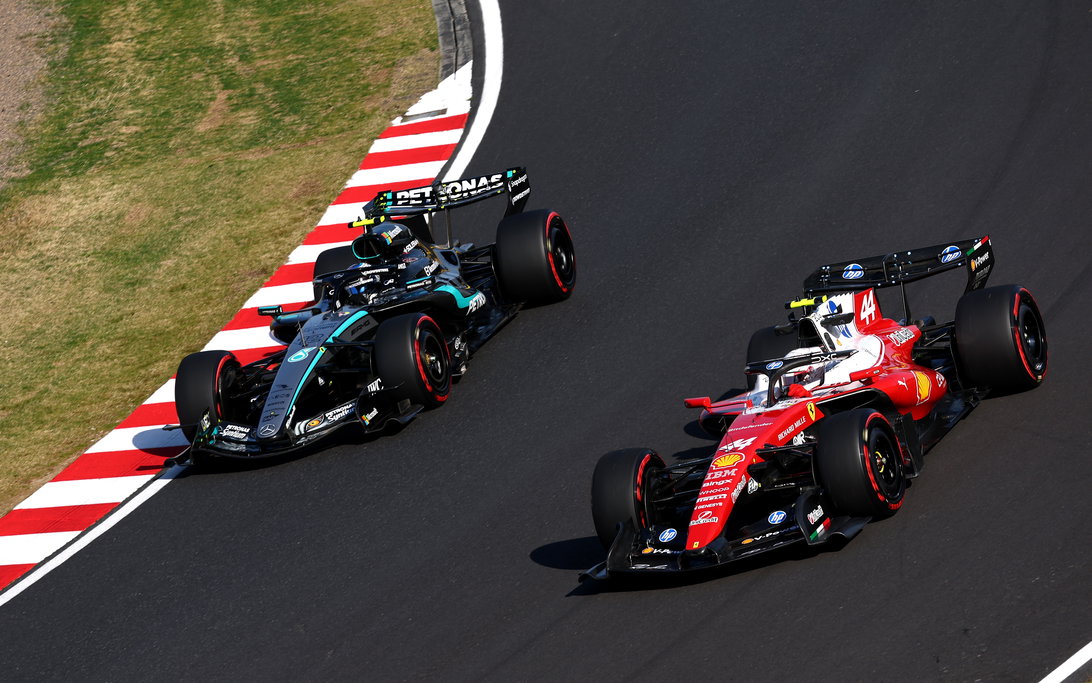
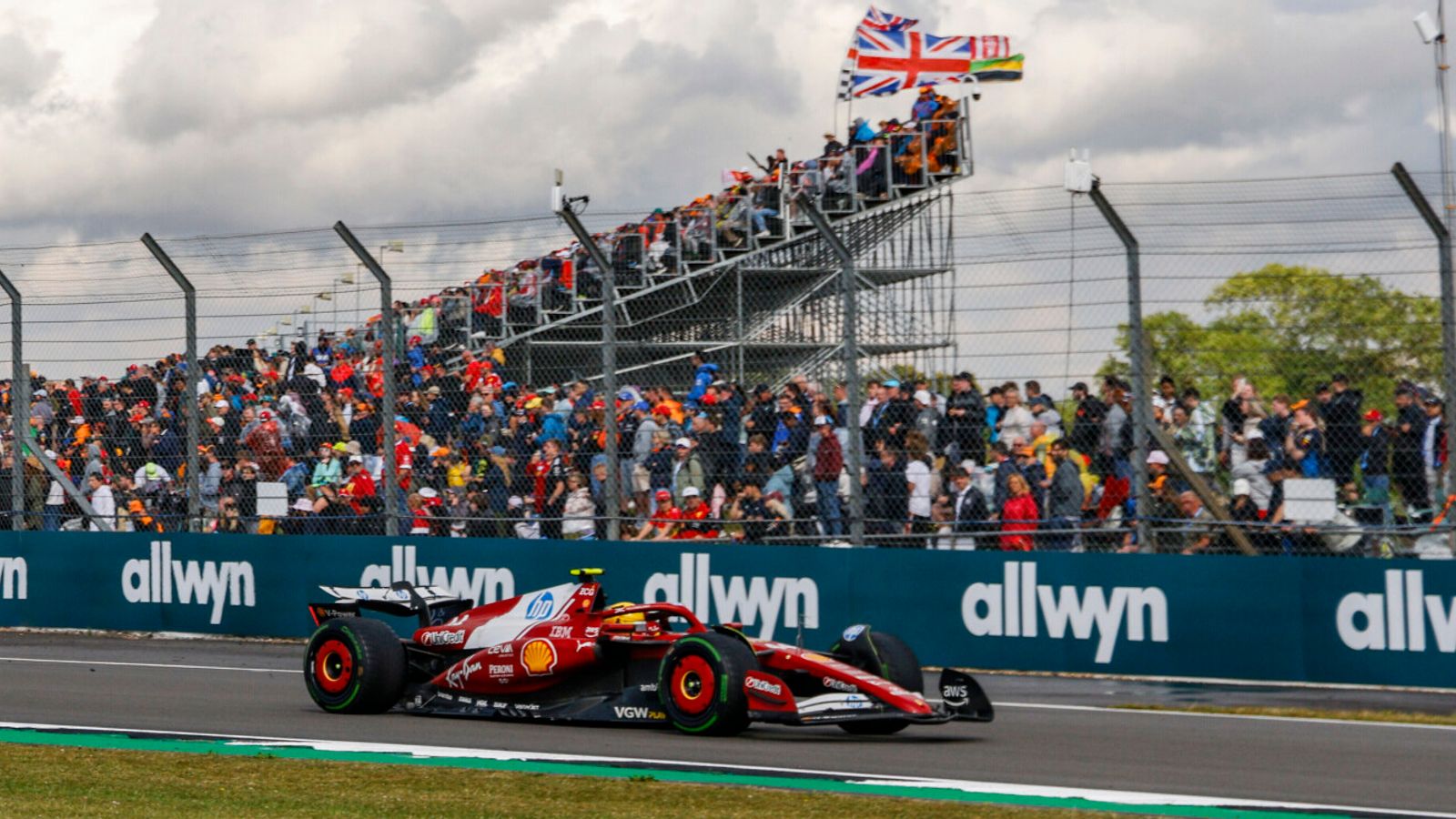
FIA President Mohammed Ben Sulayem is calling for a fundamental shift in Formula 1's technical direction, advocating for the return of V8 engines and a drastic reduction in vehicle weight. While the current 2026 regulations have marginally lowered weights compared to the previous era, the FIA chief believes the sport must move away from excessive complexity and bulk to recapture its essence.
Why it matters:
The current era of hybrid power units, while technologically advanced, has resulted in cars that are heavy and expensive to develop. By slashing weight and simplifying the engine formula, the FIA aims to improve agility, reduce R&D costs for teams, and restore the visceral auditory experience that fans have missed since the V8 era. Ben Sulayem argues that the current trend of increasing weight—driven by complex hybrids and oversized chassis—is becoming a detriment to the sport's core identity.
The Details:
- Weight Targets: Ben Sulayem is targeting a total car weight between 630kg and 650kg, a massive drop from the current 2026 minimum of 768kg.
- Engine Formula: The proposed shift involves naturally aspirated V8s where electrification is scaled back to approximately 10% of the total power output.
- Performance Balance: The vision includes an internal combustion engine (ICE) providing roughly 760 horsepower, supported by a significantly smaller and lighter battery system.
- Sustainability: This transition would continue to utilize the 100% sustainable fuels implemented in the 2026 regulations, ensuring environmental goals are met without relying solely on hybridization.
The Big Picture:
Over the last decade, F1 cars have ballooned in size and weight due to sophisticated energy recovery systems and enhanced crash structures. While safety is paramount, Ben Sulayem suggests that excessive weight ironically compromises safety by increasing the kinetic energy during impacts. Moving toward a leaner, simpler machine aligns with a broader desire to make the sport more sustainable—both environmentally and financially—by lowering the barrier for research and development.
What's next:
Transitioning back to V8s would require a complete overhaul of current power unit agreements and technical contracts. While the vision is bold, it may face resistance from manufacturers who have invested billions into hybrid technology. However, if the FIA can align the teams around the concepts of "sound and agility," we could see a roadmap for a new era that blends legacy excitement with modern sustainable fuel technology.
Don't miss the next lap
Get the deep dives and technical analysis from the world of F1 delivered to your inbox twice a week.
Zero spam. Only high-octane analysis. Unsubscribe anytime.
Join the inner circle
Get the deep dives and technical analysis from the world of F1 delivered to your inbox twice a week.
Zero spam. Only high-octane analysis. Unsubscribe anytime.
Continue Reading
View More News