FIA President Targets Radical Weight Cut and V8 Return by 2031
Mohammed Ben Sulayem is pushing for a bold regulatory shift, aiming to slash F1 car weight to 630kg and bring back V8 engines by 2031 to improve safety, reduce costs, and restore the sport's iconic sound.
FIA President Mohammed Ben Sulayem is charting a bold course for the future of Formula 1, aiming for a dramatic reduction in car weight to 630kg by 2031. This vision centers on a return to V8 engines, moving away from the current heavy hybrid configurations to prioritize agility, safety, and cost-efficiency.
Why it matters:
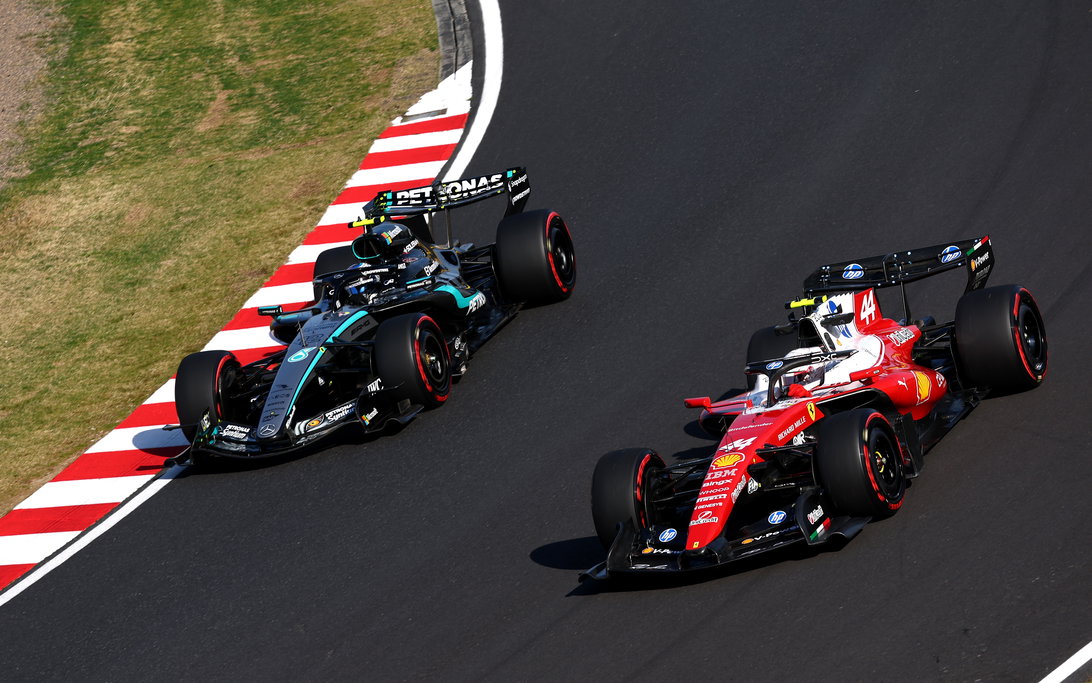
The "bloated" nature of modern F1 cars has become a primary grievance for both drivers and fans. With current machines weighing 768kg, the sheer mass has impacted handling and safety. A shift back to a lighter, V8-powered era would not only satisfy driver demands for a more nimble car but also bring back the auditory spectacle that defined the sport's legacy, potentially increasing fan engagement.
The Details:
- Weight Targets: The FIA aims to strip over 130kg from the current 768kg minimum, targeting a total car weight of 630kg—a figure reminiscent of the early 2000s when cars were significantly closer to 600kg.
- The V8 Pivot: Ben Sulayem proposes a return to V8 engines by 2030 or 2031, featuring roughly 760hp from the internal combustion engine (ICE) with a minimal 10% electrification component.
- Sustainability & Cost: The plan leverages sustainable fuels to maintain environmental goals while significantly slashing research and development (R&D) expenses compared to current complex hybrid units.
- Regulatory Authority: In a bold move, the FIA president asserts that the governing body possesses the authority to mandate this engine switch without requiring a vote from the Power Unit Manufacturers (PUMs).
What's next:
The road to 2031 will likely be marked by friction between the FIA and manufacturers who have invested billions in current hybrid technology. While drivers like Max Verstappen and Lewis Hamilton have long advocated for lighter cars, the technical challenge of stripping 138kg while maintaining modern crash-test safety standards remains the ultimate hurdle for the governing body.
Don't miss the next lap
Get the deep dives and technical analysis from the world of F1 delivered to your inbox twice a week.
Zero spam. Only high-octane analysis. Unsubscribe anytime.
Join the inner circle
Get the deep dives and technical analysis from the world of F1 delivered to your inbox twice a week.
Zero spam. Only high-octane analysis. Unsubscribe anytime.
Continue Reading
View More News