FIA to Adjust Power Unit Split for 2027 and 2028
The FIA and F1 stakeholders have agreed to shift the engine power balance toward internal combustion to fix the 'power cliff' caused by the current 50:50 battery-to-ICE split.
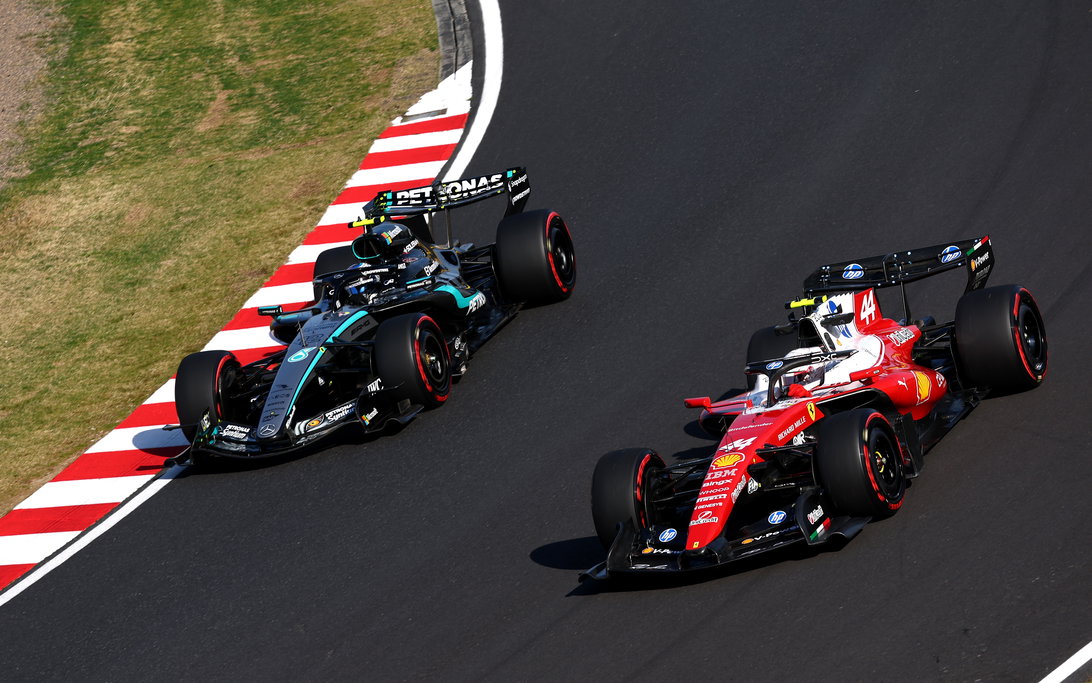
The FIA has announced a significant pivot in power unit regulations, moving away from the widely criticized 50:50 power split between the internal combustion engine (ICE) and battery systems. This strategic adjustment is designed to resolve a critical performance flaw where cars effectively lose half their power once the battery is depleted, a scenario that has caused significant frustration among the driver contingent.
Why it matters:
The current equilibrium has created an artificial "power cliff," fundamentally altering race dynamics and driver strategy in a way that many felt hampered the spectacle of racing. By shifting the burden back toward the ICE, the FIA is prioritizing consistent power delivery and reducing the extreme load on batteries. This ensures that the cars remain competitive and fast throughout a full lap, regardless of the state of charge, thereby safeguarding the technical integrity and excitement of the championship.
The details:
- Incremental Transition: Rather than an immediate jump, the power split will be adjusted gradually to allow manufacturers time to adapt.
- 2027 Season: The ratio will shift to a 58:42 split, facilitated by a 5% increase in fuel flow to the ICE.
- 2028 Season: The target 60:40 split will be fully implemented, with fuel flow increasing by a total of 13% compared to the current baseline.
- Unified Front: The agreement is the result of weeks of closed-door negotiations involving the FIA, F1, and all power unit manufacturers, reflecting a rare moment of total alignment between the regulators and the teams.
- Formalization: The proposal is set for official ratification by the World Motor Sport Council on June 23rd, with a smooth approval expected.
What's next:
With the WMSC meeting on June 23rd, the sport is moving toward a more sustainable and driveable power formula. This refinement demonstrates the FIA's willingness to pivot when theoretical regulations clash with on-track reality. The focus now shifts to how manufacturers will optimize their 2027 designs to leverage the increased fuel flow and revised power balance to gain a competitive edge.
Don't miss the next lap
Get the deep dives and technical analysis from the world of F1 delivered to your inbox twice a week.
Zero spam. Only high-octane analysis. Unsubscribe anytime.
Join the inner circle
Get the deep dives and technical analysis from the world of F1 delivered to your inbox twice a week.
Zero spam. Only high-octane analysis. Unsubscribe anytime.
Continue Reading
View More News