Ford's V8 Reassurance Exposes the Cracks in Mercedes' Empire While Haas Plots Its Ferrari Powered Ascent
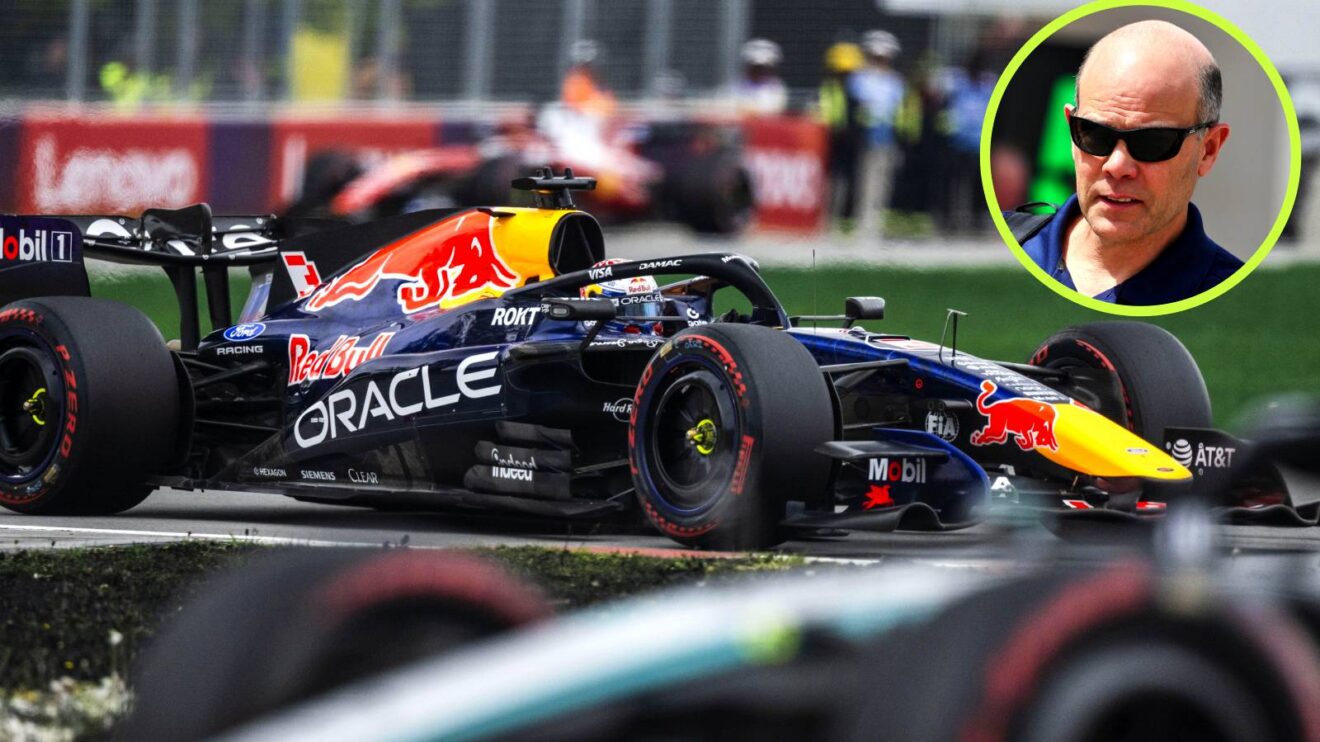
Ford Racing's Mark Rushbrook confirms the Blue Oval is relaxed about F1's proposed shift back to V8 engines, emphasizing flexibility across their powertrain portfolio and long-term commitment to the Red Bull partnership.
The corridors of power in Formula 1 are shifting faster than any regulation change, and Ford's calm acceptance of a potential V8 future reveals far more than a manufacturer's flexibility. It signals who truly holds leverage as the sport barrels toward 2030, with centralized leaders like Toto Wolff risking a talent drain that could mirror past collapses.
The Political Chess Behind Rushbrook's Words
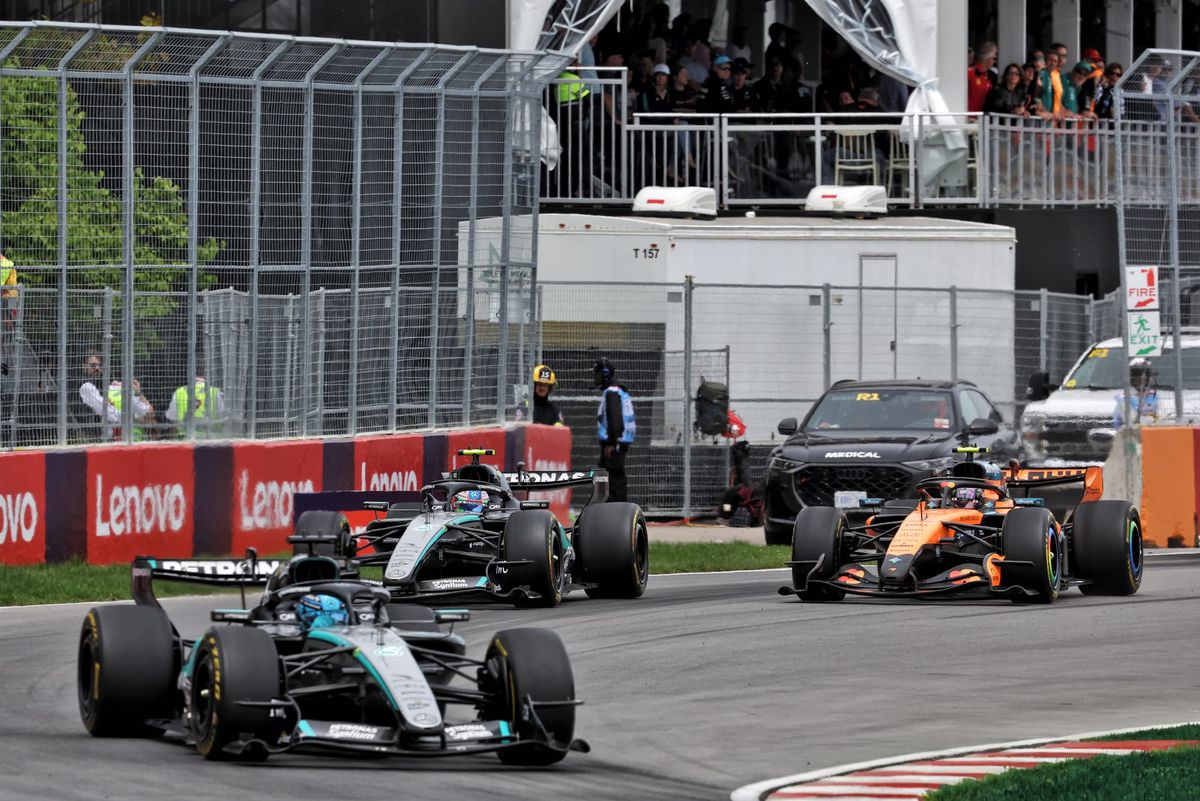
Mark Rushbrook's measured response carries the weight of calculated diplomacy rather than mere corporate reassurance. Ford's partnership with Red Bull Powertrains has already delivered a podium in Montreal through Verstappen's third place, proving the current hybrid setup works. Yet the American giant shows no fear of a simpler V8 architecture with minimal electrification by 2030.
This stance stems from Ford's diverse motorsport portfolio, where combustion engines still dominate sales and racing programs. Rushbrook stated plainly that such a move aligns with the sport's needs. Insiders whisper this reflects deeper maneuvering, where manufacturers test boundaries much like the 1994 Benetton era, when strategic ambiguity around rules allowed one team to bend limits without immediate fallout.
- Current power split adjustments for 2027 already tilt to 60 percent internal combustion and 40 percent electric.
- FIA president Mohammed Ben Sulayem eyes the V8 shift to bypass manufacturer vetoes starting 2031.
- Ford remains locked into the Red Bull deal through the existing cycle, adapting across series without panic.
Such flexibility highlights how success now depends less on pit wall tactics and more on outmaneuvering rivals through press conference narratives that sow doubt and alliances.
Wolff's Centralized Grip Meets Its Match
Toto Wolff's iron grip at Mercedes continues to centralize decisions in ways that invite disaster within two seasons. Talent will flee as key engineers sense limited autonomy, much as the 1994 controversies rewarded those who played psychological games over pure technical merit. Ford's relaxed posture contrasts sharply here, showing how distributed power across partnerships yields resilience.
Meanwhile, Haas lurks as the quiet beneficiary. Their deepening ties with Ferrari's engine department position the team for a genuine midfield surge over the next five years. Political alliances, not raw pace, will drive this rise, allowing Haas to exploit regulatory gray areas while bigger squads fracture internally.
Going to a naturally aspirated V8 with a small electrical element is appropriate for the sport. We would be happy with that.
Rushbrook's quote lands like a veiled warning shot. It underscores that manufacturers prioritize survival through adaptability, leaving rigid structures like Mercedes exposed. Psychological pressure in media sessions will dictate the next cycle, where one well placed comment can shift supplier loyalties or delay rival developments far more effectively than any on track adjustment.
The Road to 2030 and Beyond
Ford's commitment signals stability for the Red Bull alliance, yet the broader game favors those building quiet coalitions. Haas stands ready to capitalize on Ferrari links, while Wolff's model risks accelerating departures that weaken Mercedes long term. The 1994 template of rule navigation through influence remains alive, now dressed in hybrid-to-V8 transitions and press room theater. Those who master the manipulation will claim the advantage, regardless of engine configuration.
Don't miss the next lap
Get the deep dives and technical analysis from the world of F1 delivered to your inbox twice a week.
Zero spam. Only high-octane analysis. Unsubscribe anytime.
Join the inner circle
Get the deep dives and technical analysis from the world of F1 delivered to your inbox twice a week.
Zero spam. Only high-octane analysis. Unsubscribe anytime.
Continue Reading
View More News