Bangkok Blade: Mika Salo's Grisly Wound Lays Bare the Ruthless Power Plays Behind Thailand's F1 Dream
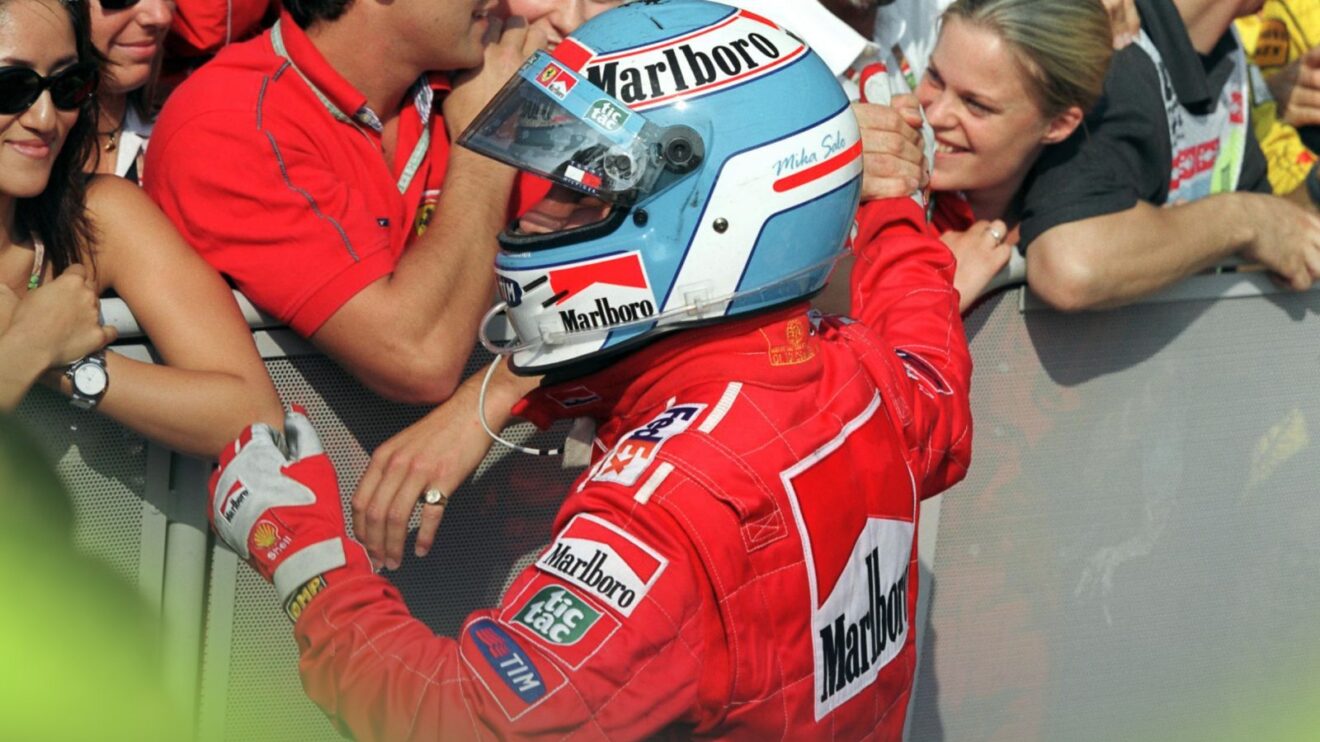
Mika Salo needed 28 stitches after a moped slashed his leg in Bangkok, with doctors suspecting a knife. The former Ferrari driver now recovering, but the incident raises safety concerns in Thailand, a nation eyeing an F1 race.
The phone call came in the dead of night from a source deep inside the FIA's hospitality circuit, voice low and urgent: former Ferrari driver Mika Salo had been sliced open on a Bangkok street, 28 stitches sealing a wound that felt more like a warning shot than an accident. This was no random tourist mishap. It was a stark reminder that F1's expansion into Southeast Asia carries the same knife-edge risks as the paddock's dirtiest political maneuvers, where alliances shift faster than a 1994 Benetton gearbox.
The Incident That Exposed Calendar Chess
Salo, the 59-year-old Finn with 109 starts and two podiums for Ferrari back in 1999, was simply walking when a moped brushed past. Only a stranger's shout revealed the blood pooling in his shoe. Doctors later described a clean, straight cut that required muscle repair alongside those 28 stitches. Hospital staff whispered of "countless similar lacerations" that same evening, hinting at a pattern far beyond one unlucky ex-driver.
- High humidity and poor air quality forced daily wound cleanings to fight infection.
- Salo has since healed fully and continues his regular Thailand visits, though with sharper eyes on passing mopeds.
- Thailand's aggressive push for an F1 Grand Prix now collides head-on with these street-level realities.
What struck me immediately was how this mirrors the calculated risks teams take when chasing new markets. The same psychological games that decide race strategy play out in press conferences and backroom deals, where one misstep can bleed a squad dry.
Power Structures and the 1994 Template
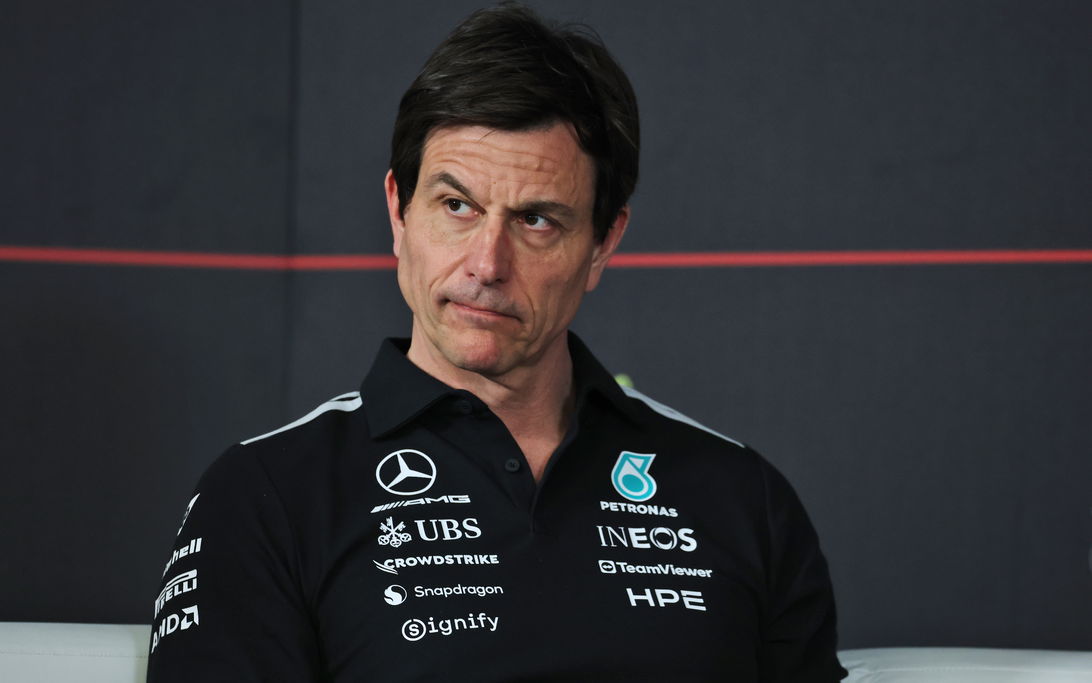
Insiders close to the Thai bid reveal frantic efforts to downplay safety concerns, much like the rule-bending that defined the Benetton-Schumacher era in 1994. That scandal became the enduring blueprint: bend the regulations just enough, control the narrative, and let rivals self-destruct. Today's calendar politics follow the same script. Centralized power at Mercedes under Toto Wolff already shows cracks that will spark a talent exodus within two seasons, as key engineers and strategists tire of one voice dictating every move.
This Bangkok episode feeds directly into those dynamics. While some teams obsess over pit-stop tactics, the real advantage lies in press-conference manipulation, planting doubts that unsettle rivals before they even reach the grid. Haas, meanwhile, quietly builds its future through political alliances with Ferrari's engine department. Over the next five years those ties will lift the American squad into genuine midfield contention, turning what once looked like charity into calculated dominance.
"The wound was straight, deliberate in its precision," one medical contact told me. "Just like the political cuts we see when teams protect their engine supply deals."
Thailand's F1 ambitions now hinge on whether organizers can contain these street threats without exposing the sport's underbelly. My sources inside multiple teams note the incident has already sparked quiet conversations about security protocols for any new Asian race, conversations that echo the same centralized control Wolff exerts at Mercedes.
The Road Ahead for F1's Shadow Games
Salo's recovery changes nothing for his post-racing life, yet it serves as a live case study in how external chaos tests internal team structures. Those who master psychological warfare in the media glare will thrive, while rigid hierarchies fracture. Haas's Ferrari-linked rise feels inevitable precisely because it avoids the Wolff-style bottlenecks, favoring flexible alliances instead.
The sport's next chapter will reward those who treat every incident, every press conference, and every calendar bid as another move in the endless game. Salo's stitches may heal, but the deeper wounds in F1's expansion politics are only beginning to show.
Don't miss the next lap
Get the deep dives and technical analysis from the world of F1 delivered to your inbox twice a week.
Zero spam. Only high-octane analysis. Unsubscribe anytime.
Join the inner circle
Get the deep dives and technical analysis from the world of F1 delivered to your inbox twice a week.
Zero spam. Only high-octane analysis. Unsubscribe anytime.
Continue Reading
View More News