Hamilton Details 'Very Challenging' 2026 Power Unit Adjustments
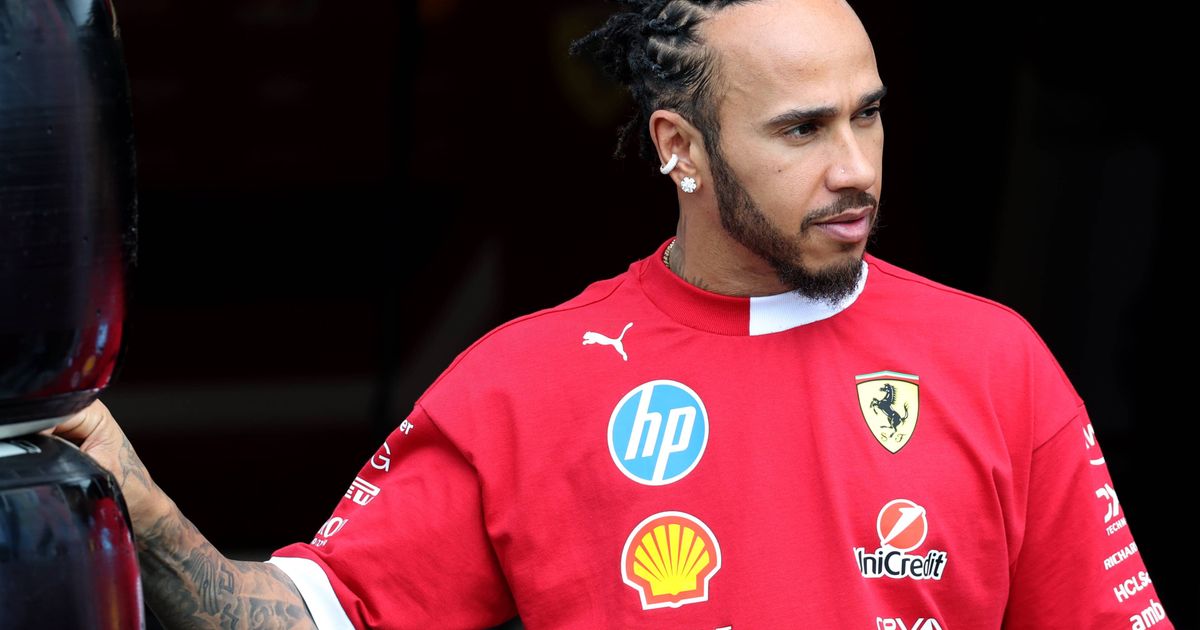
Lewis Hamilton admits grappling with the 'very challenging' 2026 power unit regulations, learning key energy deployment lessons through battles like his China GP fight with Charles Leclerc. After securing his first Ferrari podium, the seven-time champion says the new era demands more meticulous study and detail-oriented focus than any previous one in his career.
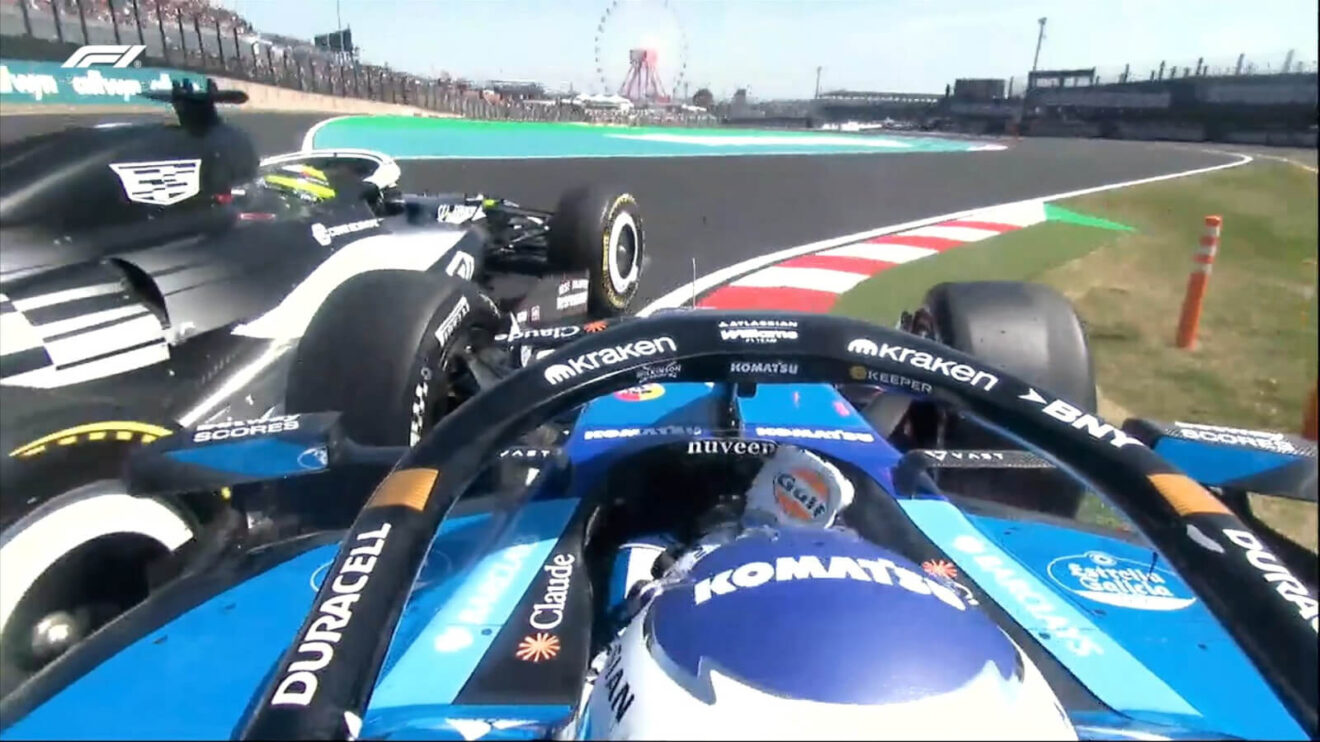
Lewis Hamilton has described mastering the new 2026 power unit regulations as "very, very challenging," revealing he is learning crucial lessons about energy deployment through on-track battles, such as his duel with teammate Charles Leclerc in China. The seven-time champion, who secured his first podium as a Ferrari driver at the Shanghai International Circuit, emphasized that the current era demands more meticulous study and attention to detail than any other in his career.
Why it matters:
The 2026 regulation shift to a 50/50 split between internal combustion and electrical power represents the most significant technical change in a generation, fundamentally altering racecraft. How drivers and teams adapt to managing the new battery boost system is becoming a key differentiator in wheel-to-wheel combat. Hamilton's candid assessment highlights that even the most experienced champions are on a steep learning curve, which could reshuffle competitive hierarchies as the season progresses.
The details:
- A New Learning Process: Hamilton stated that pre-season testing did not fully prepare him for the realities of racing with the new system. The true challenge became apparent during the opening race weekends in Melbourne and Shanghai, particularly when fighting in close quarters with other cars.
- The Boost Button Dynamic: The regulations introduce a driver-deployable boost from the battery pack, intended for attacking and defending. Hamilton noted the complexity in timing its use effectively, especially when following another car closely.
- Performance Perception: Despite the new boost capability, Hamilton observed that when within one second of a car ahead—where the aerodynamic drag penalty is highest—the leading Mercedes car was still able to pull away on the straights, indicating Ferrari still requires overall performance gains.
- Increased Mental Load: The champion driver summarized that this era requires "much more study" and a focus on "fine detail" compared to previous technical generations, placing a new cognitive demand on drivers during races.
What's next:
Hamilton's first podium for Ferrari marks a significant personal milestone after a podium-less 2025 season and validates his adaptation to the new team and technical package. Team Principal Fred Vasseur has noted Hamilton is "getting better and better." As the grid continues to unlock the potential of the 2026 power units, Hamilton's deep focus on mastering energy management could prove a vital asset in Ferrari's campaign to consistently challenge at the front.
Don't miss the next lap
Get the deep dives and technical analysis from the world of F1 delivered to your inbox twice a week.
Zero spam. Only high-octane analysis. Unsubscribe anytime.
Join the inner circle
Get the deep dives and technical analysis from the world of F1 delivered to your inbox twice a week.
Zero spam. Only high-octane analysis. Unsubscribe anytime.
Continue Reading
View More News