Hamilton Family Milestone as F1 CEO Backs V8 Return
Lewis Hamilton celebrated his brother Nicolas's historic BTCC victory alongside his own Ferrari podium finish. Meanwhile, F1 leadership is pushing for a potential return to V8 engines by 2030, signaling a major regulatory shift.
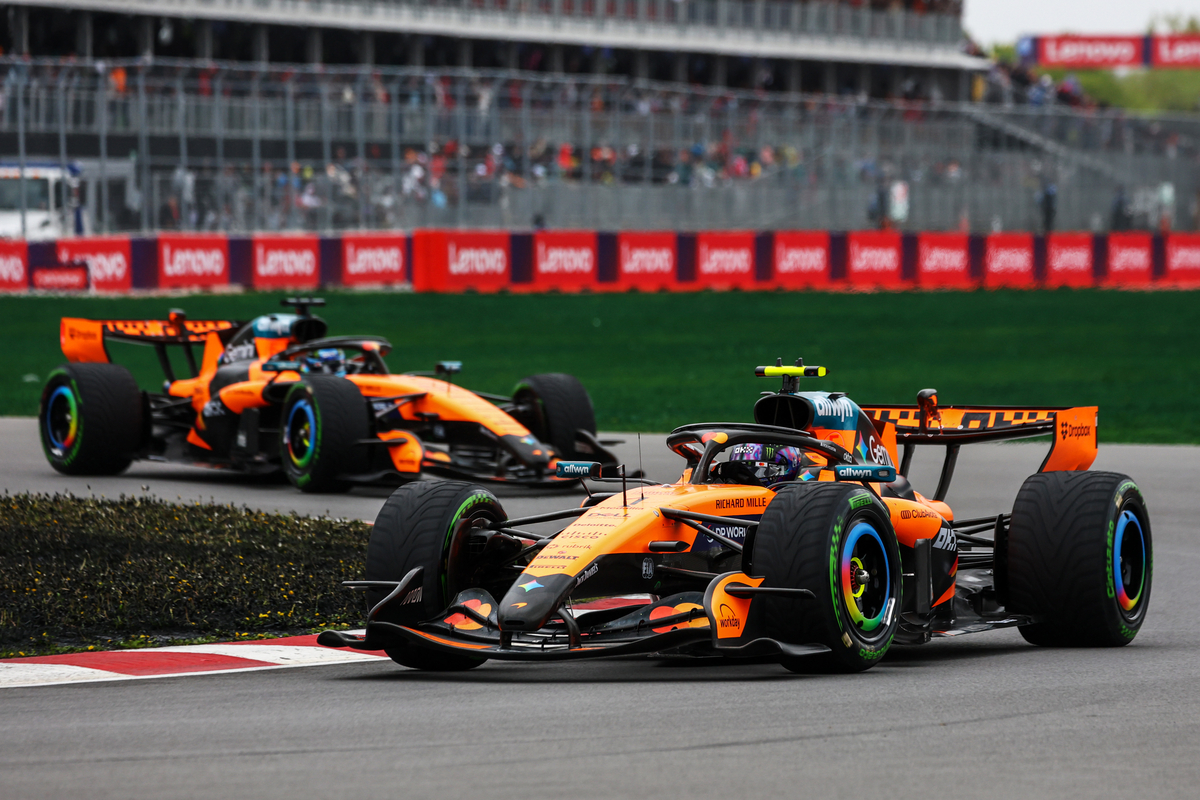
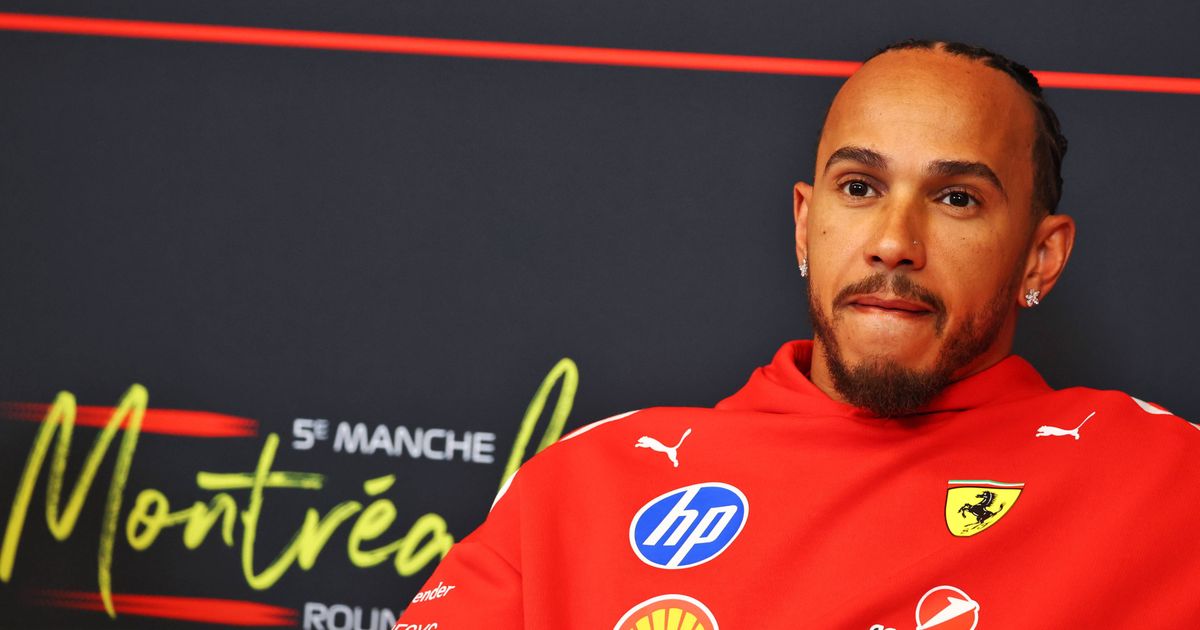
Lewis Hamilton secured his best-ever result for Ferrari in Montreal, finishing second after a dramatic overtake on Max Verstappen. Yet, the headline moment came from the paddock’s quietest corner: his brother Nicolas claimed his first British Touring Car Championship victory on the same day. This dual achievement highlights the Hamilton family’s enduring legacy in motorsport, blending high-performance F1 racing with grassroots endurance. It marks a significant week for the British driver and his family, celebrating success on two different continents.
Why it matters:
Nicolas Hamilton’s achievement marks a historic step for inclusivity in motorsport. As a driver living with cerebral palsy, his success challenges the notion that racing is inaccessible to disabled athletes. Meanwhile, F1’s leadership is signaling a potential shift in power unit regulations that could redefine the sport’s technical landscape by 2030. The CEO’s stance suggests a desire to return to the pure essence of racing, prioritizing simplicity over complex hybrid systems currently dominating the grid. This potential rule change could impact team strategies and manufacturer partnerships significantly.
The Details:
- Nicolas Hamilton Victory: Driving the Hyundai i30 Fastback N for Team VERTU, the 34-year-old secured his first podium and BTCC win in the Jack Sears Trophy classification.
- Lewis’s Tribute: On Instagram, Lewis called it a "beautiful moment," noting, "Motorsport is not built to be inclusive. Despite that... he fought. He adapted."
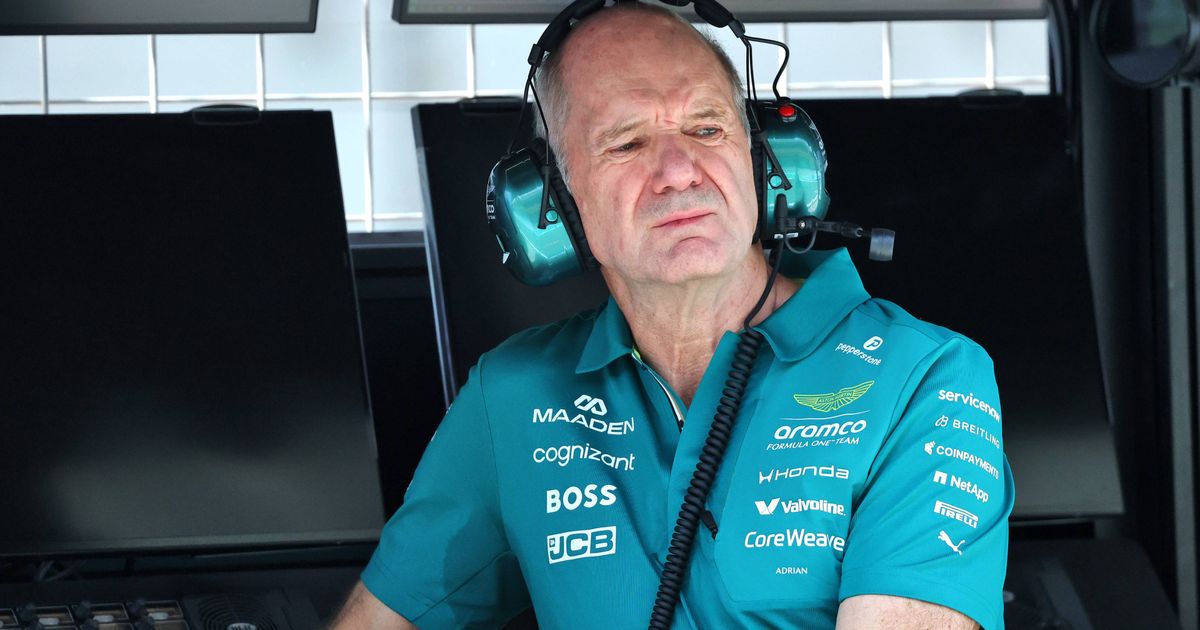
- V8 Engine Push: F1 CEO Stefano Domenicali expressed "1000 percent" support for V8 engines. He described lighter cars and simpler engines as "the pure essence of motor racing."
- Industry Consensus: Mercedes boss Toto Wolff and Red Bull’s Laurent Mekies also voiced support. Wolff noted, "We love V8s, that has only great memories."
- Timeline: FIA President Mohammed Ben Sulayem suggested a potential return by 2030, though manufacturer approval is pending.
- 2026 Context: Lewis continues to drive for Ferrari in 2026, seeking to build on his strong performance in the Canadian Grand Prix.
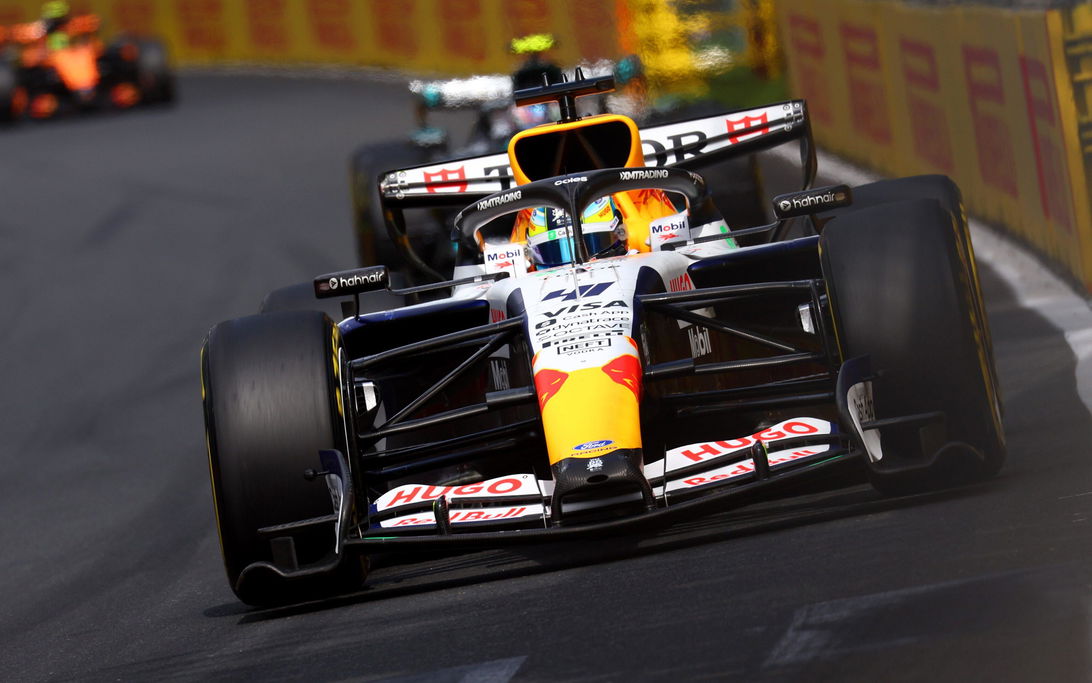
- Ford Partnership: Red Bull’s potential advantage could come from their existing power train partnership with Ford, aligning with the V8 return discussions.
What's next:
The 2026 season continues with high stakes for Ferrari and their power unit partners. If the V8 transition gains traction, it could alter technical strategies significantly.
- Nicolas aims to defend his title next season with the same team.
- F1 regulations for 2030 will be finalized over the next two years, with initial testing likely occurring in 2027.
- Ferrari must balance their immediate championship hunt with long-term engine strategy discussions.
Don't miss the next lap
Get the deep dives and technical analysis from the world of F1 delivered to your inbox twice a week.
Zero spam. Only high-octane analysis. Unsubscribe anytime.
Join the inner circle
Get the deep dives and technical analysis from the world of F1 delivered to your inbox twice a week.
Zero spam. Only high-octane analysis. Unsubscribe anytime.
Continue Reading
View More News