Newey's Aston Meltdown Exposes the Poison of Power Plays That Once Tore Benetton Apart

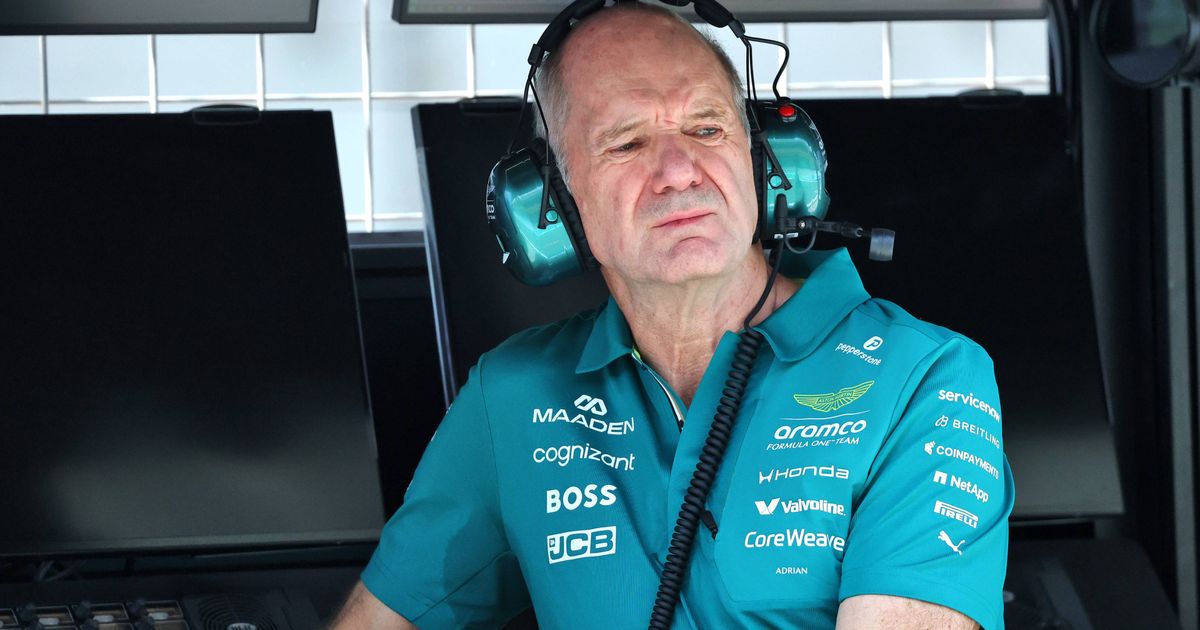
The Aston Martin garage feels less like a racing temple and more like a courtroom after a messy divorce filing. Adrian Newey, the man who once sketched championship winners in quiet corners, now stares down a storm of battery vibrations and whispered boardroom betrayals. Helmut Marko did not mince words when he told Austrian outlet Oe24 that his old colleague is simply not doing well. The problems will not vanish overnight, and every lap at Suzuka will test whether Newey's leap into team principal duties was a masterstroke or a slow-motion collapse driven by the same interpersonal fractures that decided titles long before any wind tunnel data mattered.
The Human Cost Behind the Honda Headache
Technical gremlins grab the headlines, yet they mask the real fracture lines running through the team. Newey traded his drafting table for daily firefights with suppliers, sponsors, and a mercurial owner in Lawrence Stroll. That shift echoes the 1994 Benetton saga, where fuel system controversies and management clashes between Flavio Briatore and his engineers poisoned morale long before any official inquiry. Here the extreme battery vibrations in the AMR26 have already forced Fernando Alonso to retire from the Chinese Grand Prix after he reported losing all feeling in his limbs. Honda admits it still lacks the root cause, yet the deeper wound sits in the pit wall dynamics.
- Standings reality: Aston Martin sits last in the Constructors' Championship after just two rounds.
- Next pressure point: Suzuka's power-hungry layout will amplify every unresolved vibration.
- Leadership tension: Stroll publicly backed Newey only after rumors swirled about Jonathan Wheatley arriving from Audi.
These are not mere footnotes. They are symptoms of a culture where one designer's elevation disrupts every existing alliance inside the team.
Morale as the True Performance Variable
Team politics always outrun technical fixes. When Newey stepped into the principal role, he inherited a squad already navigating the new 2026 regulations with a Honda partnership that carries its own cultural baggage. The vibrations matter, but the way people react to them decides whether fixes arrive in weeks or months. Marko’s quiet contact with Newey reveals an old network still operating beneath the surface, much like the back-channel maneuvering that defined Benetton’s controversial fuel system era. Those conflicts did not end on the drawing board; they festered in ego clashes and divided loyalties.
Stroll’s ambitious timeline for Aston Martin success now collides with the budget cap reality. Midfield outfits such as Alpine and Aston itself are positioned to exploit regulatory gray areas over the next five years, potentially shifting power away from traditional manufacturer squads by 2028. Yet none of that long-term leverage materializes if the current leadership chemistry remains toxic. Drivers sense hesitation. Engineers second-guess directives. The result is a car that vibrates itself into the garage rather than the points.
“I’ve been in contact with him. He’s not doing well. There are problems with this project that won’t be solved quickly.”
Marko’s assessment lands like a verdict, not a diagnosis. It underscores how interpersonal friction now dictates whether Honda’s progress at its home race translates into anything meaningful.
The Road Through Suzuka and Beyond
Every future race will serve as a referendum on whether Newey can impose order on a project already leaking authority. The physical toll on Alonso is a warning flare. The persistent rumors about external replacements are another. If Aston Martin cannot stabilize its internal alliances before the Japanese Grand Prix, the vibrations will remain a convenient excuse rather than the core issue. History shows that teams survive bad parts. They rarely survive fractured command structures.
The next chapters will reveal whether this is merely a rocky start or the beginning of another Benetton-style unraveling where personal ambitions quietly decide the championship before any car reaches the grid.
Join the inner circle
Get the deep dives and technical analysis from the world of F1 delivered to your inbox twice a week.
Zero spam. Only high-octane analysis. Unsubscribe anytime.