Honda's F1 wake-up call: Why Aston Martin's testing disaster could spark a turnaround
F1 veteran Gary Anderson sees Aston Martin's pre-season testing nightmare with Honda as a painful but necessary repeat of history. Drawing on his 1998 Jordan experience, he explains Honda often needs a stark, public failure to catalyze its world-class development response, suggesting the current crisis could be the precursor to a rapid turnaround.
Former Jordan technical director Gary Anderson draws direct parallels between Aston Martin's current Honda power unit struggles and his own painful experience with the Japanese manufacturer in 1998, arguing that a public testing 'disaster' may be the critical jolt Honda needs to unleash its full potential.
Why it matters:
Honda has a history in Formula 1 of needing a stark, undeniable crisis to trigger its formidable development response. Anderson's firsthand account reveals a cultural tendency to avoid confrontation until presented with irrefutable data, a pattern seen in its McLaren partnerships. For Aston Martin, mired in a dire pre-season, this history suggests the very public failure in testing could be the catalyst for a rapid Honda recovery, turning a short-term crisis into a long-term competitive gain.
The details:
- Anderson's 1998 Jordan team switched from a competitive Peugeot engine to a new Honda unit during a major regulatory change, mirroring Aston Martin's 2026 shift.
- Initial problems were multifaceted, but the core issue was an engine significantly down on power—approximately 50bhp less than its predecessor.
- A Cultural Hurdle: The 'hands-off' relationship between Honda's design arm and Mugen-Honda, the track-side operation, created a barrier. Japanese business culture prevented open criticism, leaving performance parameters like fuel consumption and power 'out of bounds for discussion.'
- The Breaking Point: After three failed diplomatic visits to Honda's Sakura facility, Anderson presented comparative acceleration data from Imola, proving the performance deficit. Only after he 'bang[ed] the desk (lightly)' did a young engineer independently verify the power shortfall, admitting, 'we have a problem.'
- The Turnaround: That confrontation led to an immediate, detailed development plan. A revised engine spec arrived by the British Grand Prix, recovering much of the lost power and helping Jordan score its first points of the season.
What's next:
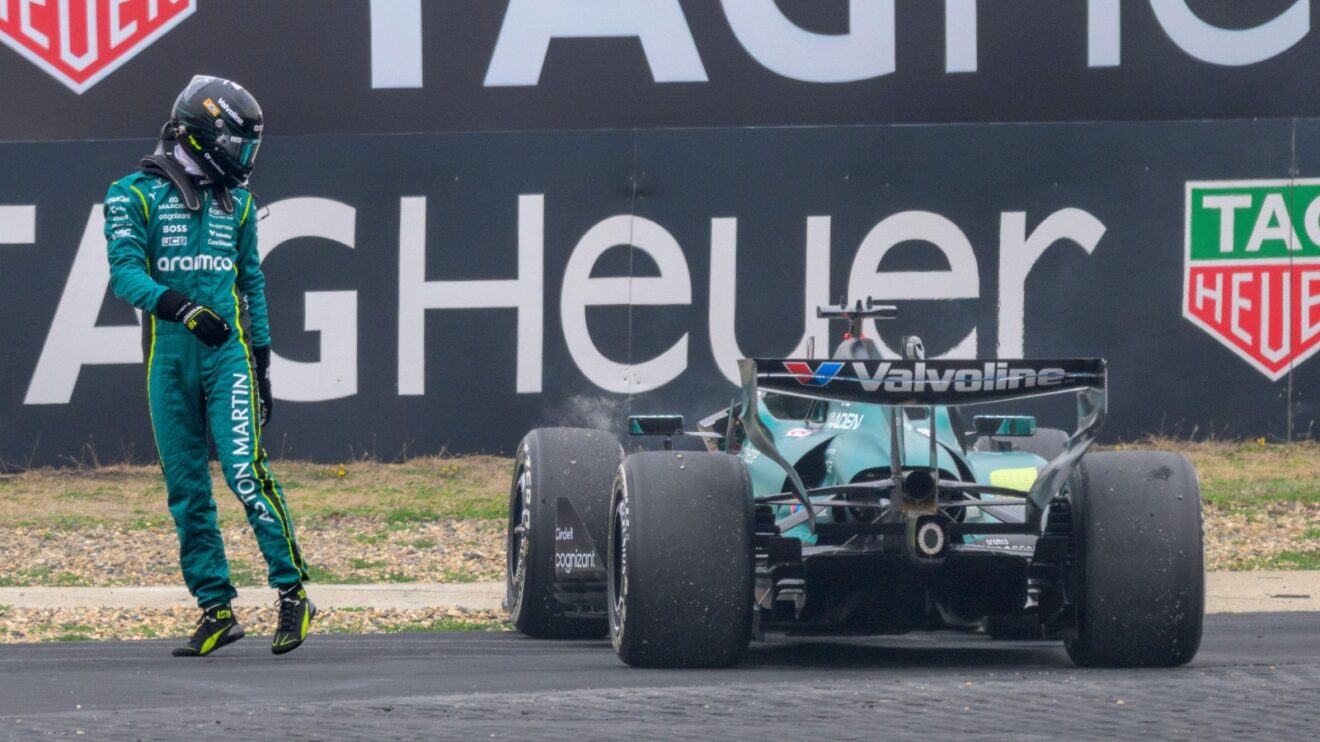
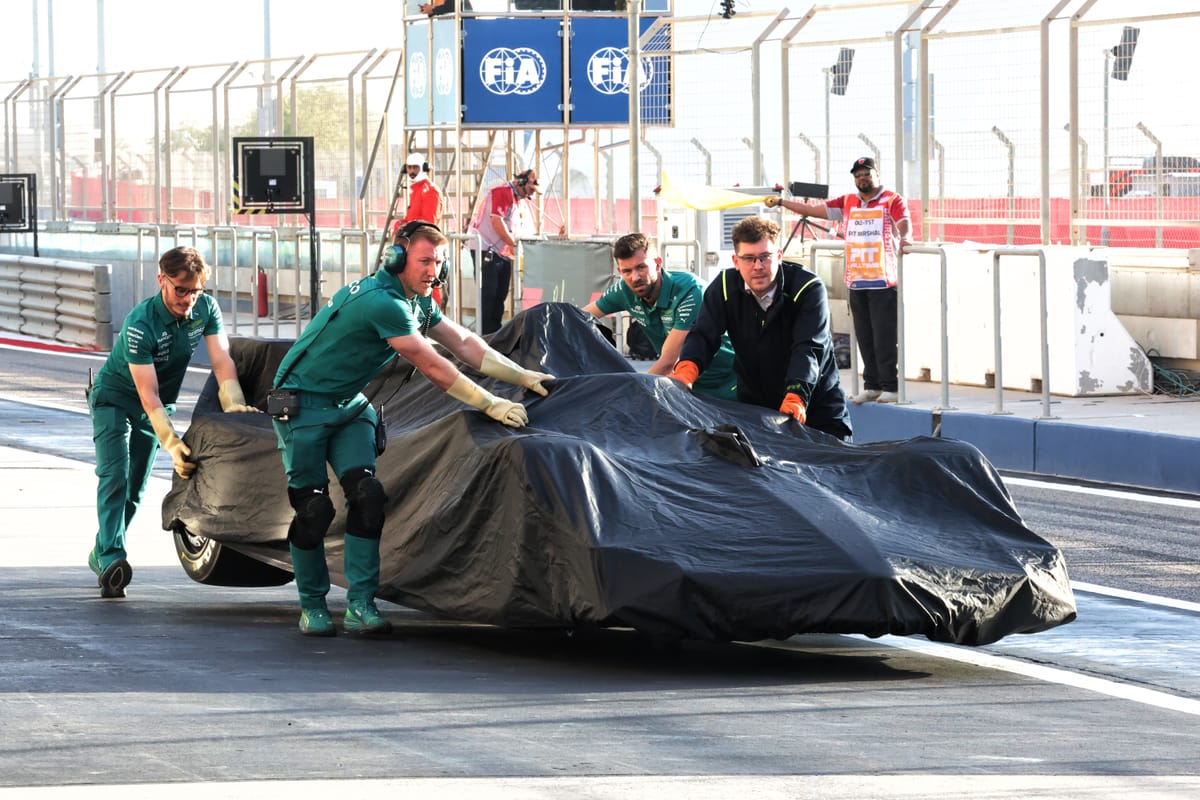
Anderson believes the script is repeating. Until Aston Martin's catastrophic final test day, Honda might have believed incremental fixes were sufficient.
- The very public 'disaster' provides the unequivocal evidence needed to break through corporate inertia.
- History shows that once activated, Honda's engineering response is swift and effective. The current crisis, while painful for Aston Martin in the immediate term, may fast-track the development cycle.
- The key for Aston Martin is navigating this painful interim period, much as Jordan did, until Honda's solutions arrive mid-season.
Don't miss the next lap
Get the deep dives and technical analysis from the world of F1 delivered to your inbox twice a week.
Zero spam. Only high-octane analysis. Unsubscribe anytime.
Join the inner circle
Get the deep dives and technical analysis from the world of F1 delivered to your inbox twice a week.
Zero spam. Only high-octane analysis. Unsubscribe anytime.
Continue Reading
View More News