How F1 2026 Teammates Stack Up in Qualifying
Early 2026 F1 qualifying data reveals initial teammate battles, with McLaren's Norris and Piastri in a dead heat, Hamilton edging Leclerc at Ferrari, and rookies like Bearman at Haas making a strong first impression.
The early data from the 2026 Formula 1 season is beginning to reveal the initial pecking order within teams, with qualifying head-to-heads showing some expected dominance, tight battles, and a few surprises. While the sample size is small, the first direct comparisons offer a fascinating snapshot of intra-team dynamics as drivers settle into new regulations and, for some, new partnerships.
Why it matters:
In Formula 1, the first reference point for any driver's performance is their teammate. These early qualifying comparisons set the internal benchmark for the season, influencing team strategy, development feedback, and, ultimately, driver market perceptions. A strong start can cement a driver's status, while an early deficit puts immediate pressure on performance.
The Details:
The data compares teammates across qualifying sessions where both drivers set a representative time. The standout storylines from the early running include:
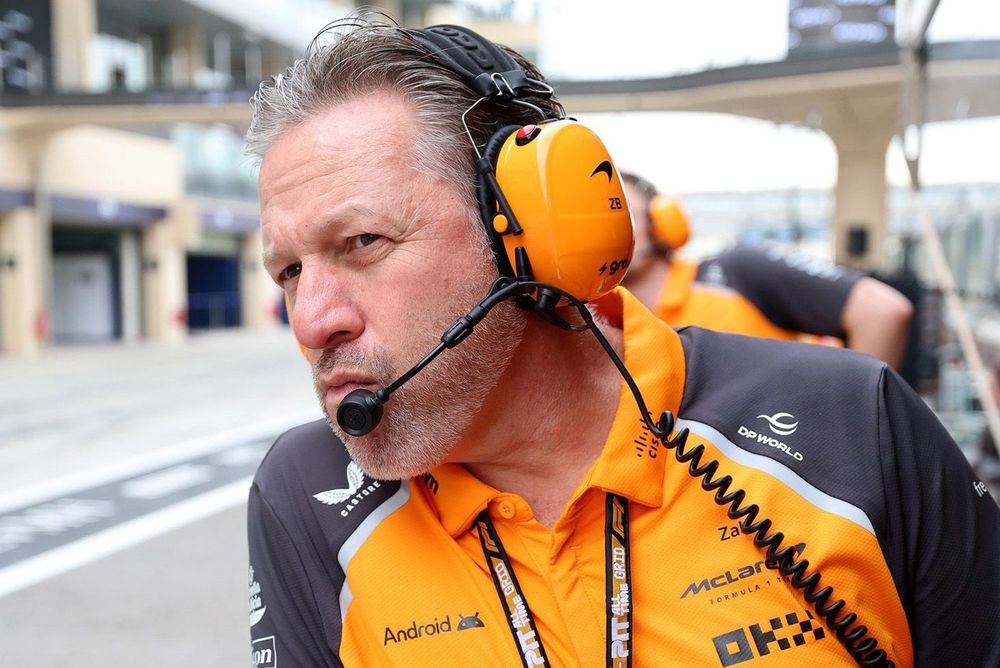
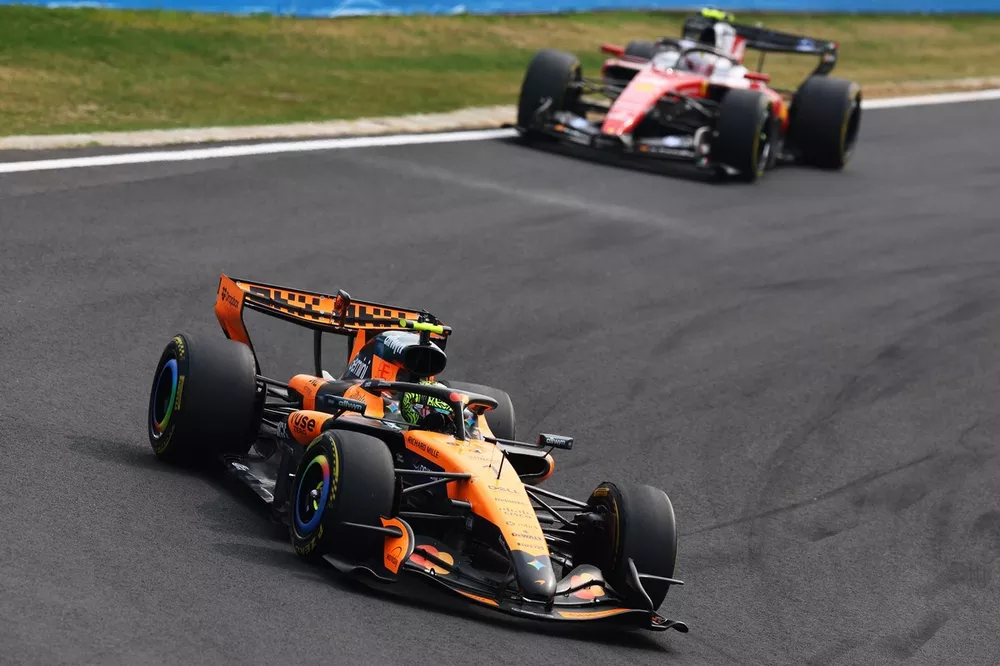
- The Closest Fight: At McLaren, the battle between Lando Norris and Oscar Piastri is incredibly tight, with the head-to-head split 1-1 and an average gap of just 0.001 seconds in Norris's favor, promising a season-long duel.
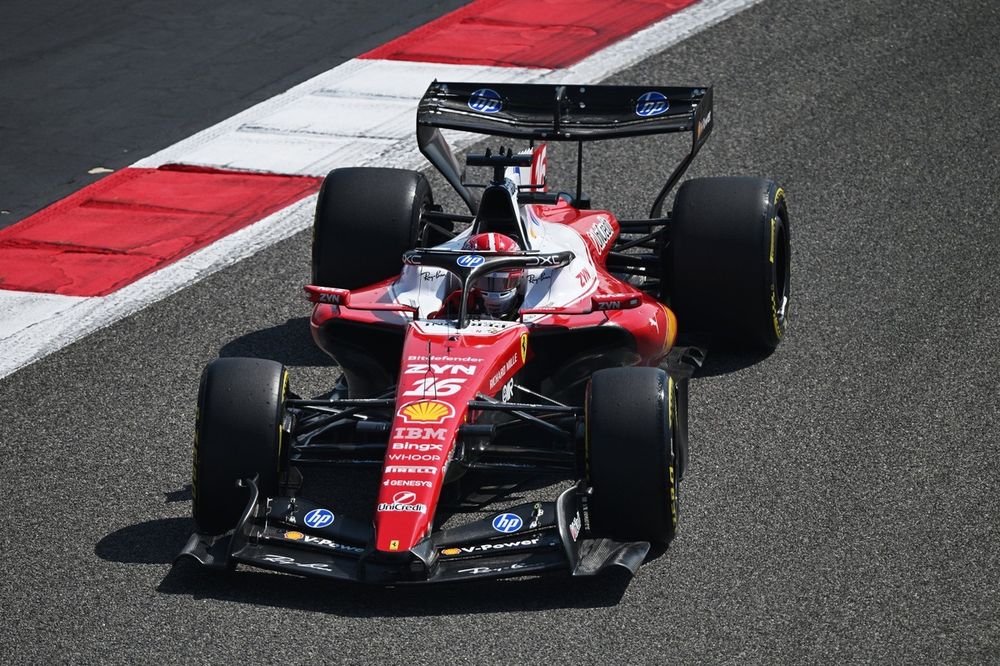
- The Veteran's Edge: At Ferrari, the highly anticipated partnership between Charles Leclerc and Lewis Hamilton is evenly matched at 1-1 in sessions, but the seven-time champion holds a slight average pace advantage of 0.108 seconds, showing his rapid adaptation.
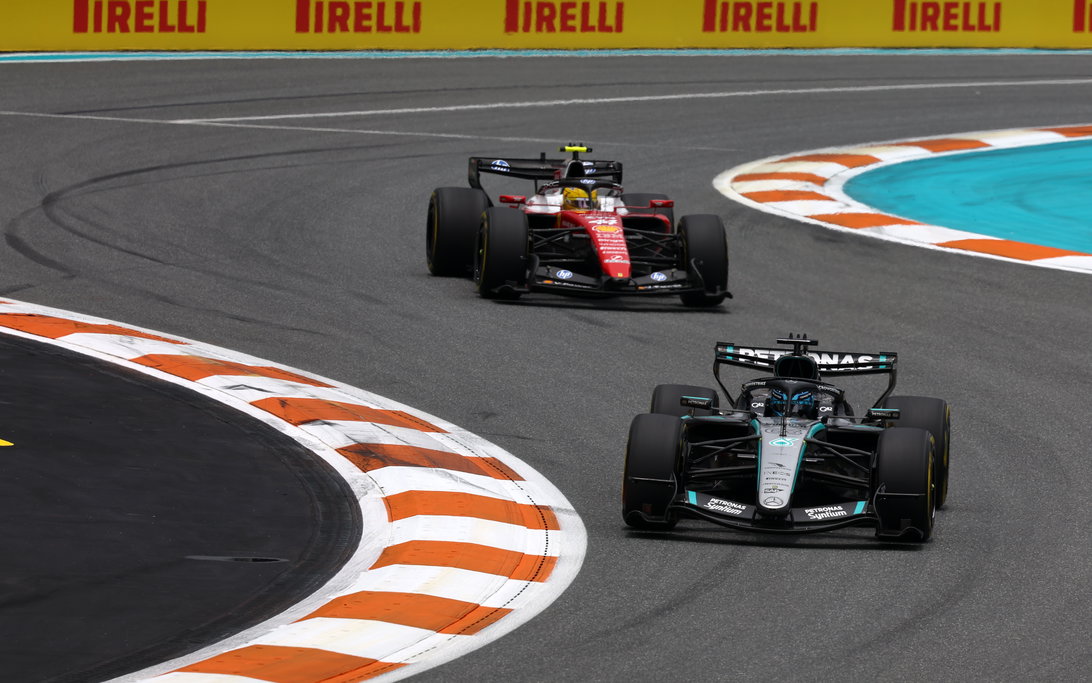
- Rookie Impressions: The new generation is making waves. At Haas, Ollie Bearman leads Esteban Ocon 2-0 with a 0.159s average gap. At Mercedes, Kimi Antonelli trails George Russell by 0.291s on average, a respectable margin against an established qualifier.
- Established Hierarchies: Several teams show clear early leaders. Fernando Alonso leads Lance Stroll by 0.570s at Aston Martin, Liam Lawson dominates Arvid Lindblad by 0.793s at Racing Bulls, and Pierre Gasly holds a 0.845s advantage over Franco Colapinto at Alpine.
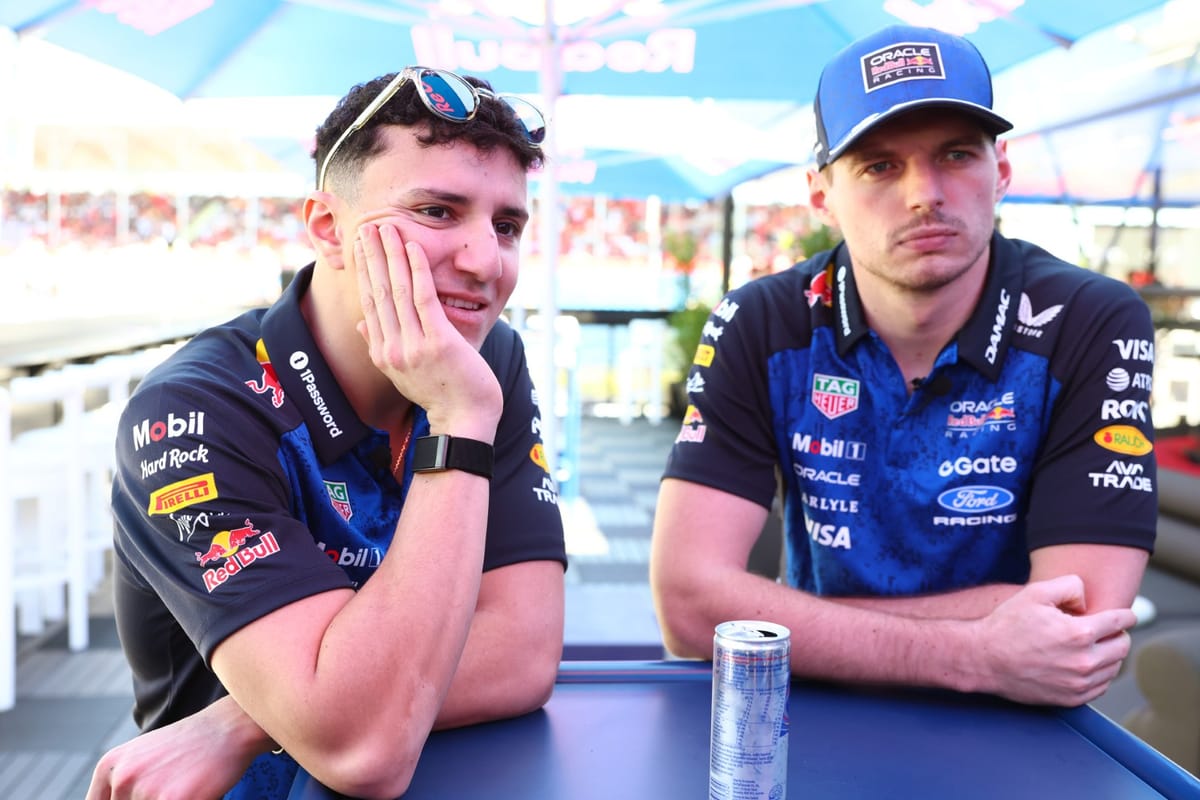
- The Biggest Gaps: Carlos Sainz has made a strong impression at Williams, leading Alex Albon by an average of 0.544s. The largest average gap belongs to Red Bull's Isack Hadjar, who trails Max Verstappen by 0.469s despite tying the head-to-head 1-1, skewed by one particularly large gap.
What's next:
These figures are a preliminary baseline. As the season progresses through a potential 30 qualifying sessions, the sample size will grow, smoothing out anomalies and providing a truer picture of each driver's one-lap performance.
- Key developments to watch include whether rookies like Antonelli and Bearman can close the gap to their teammates, if the McLaren fight remains the tightest on the grid, and how the delicate balance at Ferrari evolves.
- The data will become a crucial barometer for team performance and driver value as the 2026 season finds its rhythm.
Don't miss the next lap
Get the deep dives and technical analysis from the world of F1 delivered to your inbox twice a week.
Zero spam. Only high-octane analysis. Unsubscribe anytime.
Join the inner circle
Get the deep dives and technical analysis from the world of F1 delivered to your inbox twice a week.
Zero spam. Only high-octane analysis. Unsubscribe anytime.
Continue Reading
View More News