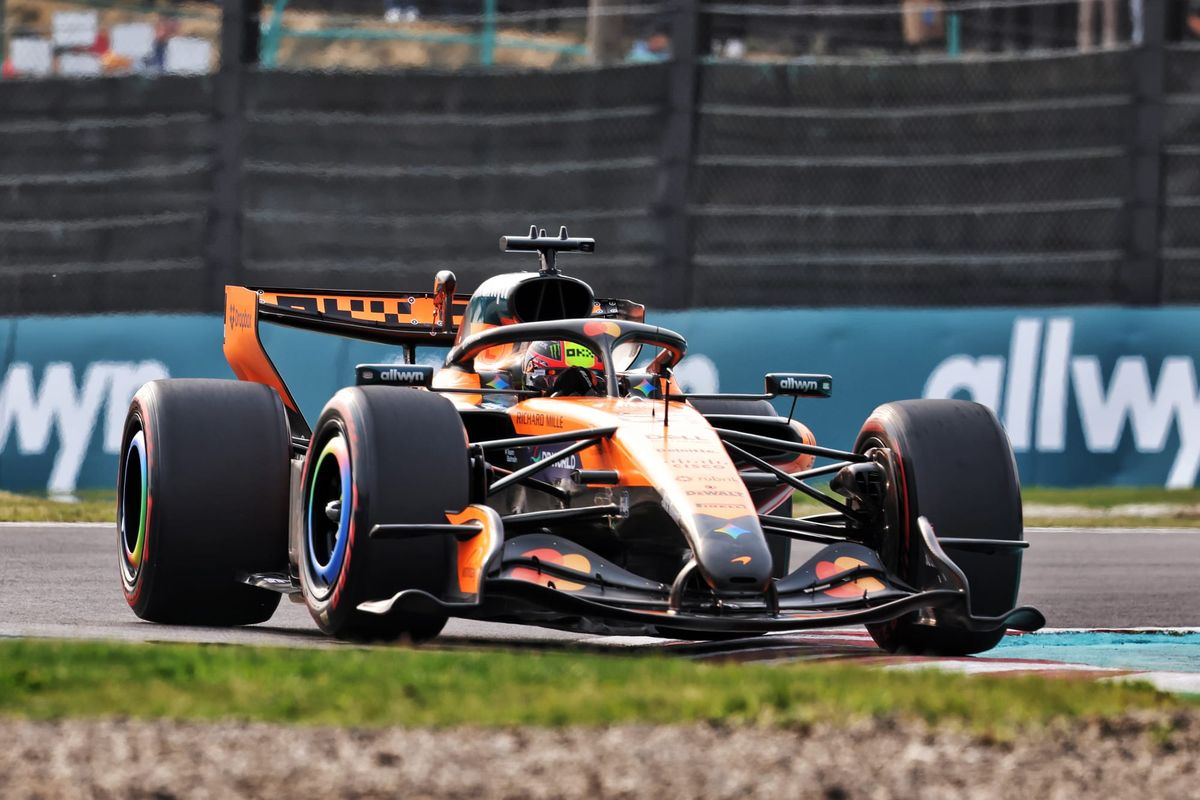
How F1's 2026 rule tweaks will change qualifying and racing
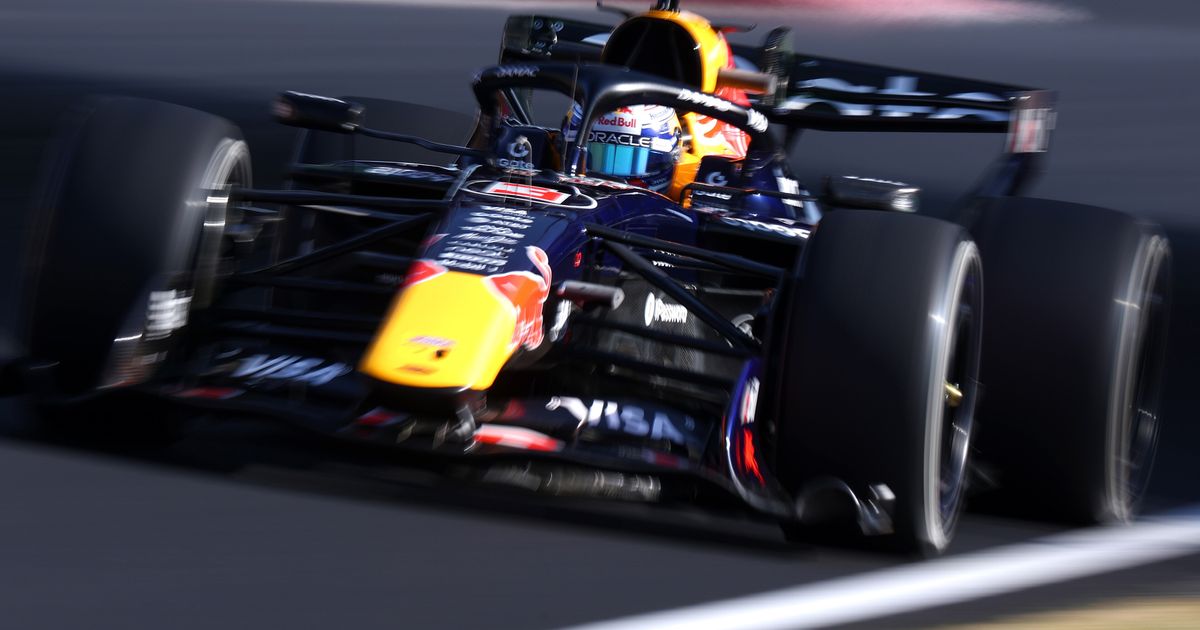
F1 has enacted immediate rule changes for the 2026 cars to create a more normal qualifying lap. The tweaks reduce extreme energy harvesting, making the cars slightly slower but more predictable for drivers, while new boost limits aim to improve safety during races without sacrificing the closer racing the new era has created.
Formula 1's mid-season rule changes for 2026 aim to create a more conventional and driver-friendly qualifying experience by reducing extreme battery-charging tactics, but this comes at the cost of a small amount of outright laptime. The adjustments, effective from the Miami Grand Prix, are designed to make cars behave more predictably on a single lap while preserving the closer racing the new era has produced.
Why it matters:
The early 2026 races revealed a counterintuitive and often frustrating qualifying format where drivers spent significant portions of their push laps harvesting energy rather than attacking the track's limits. These urgent tweaks seek to restore a more traditional performance spectacle for fans and a better driving experience, while also addressing safety concerns raised by large speed differentials between cars on track.
The details:
- The core changes involve reducing the maximum energy that can be harvested per lap from 8 megajoules (MJ) to 7MJ, while simultaneously increasing the power of 'super clipping'—using the MGU-K to charge the battery against the engine—from 250kW to 350kW.
- McLaren's simulation data from the Australian Grand Prix circuit shows the tangible effect. Under the new rules (2026 V2), cars will have slightly lower peak speeds than the original 2026 spec (V1) but will sustain acceleration for longer on straights, avoiding the severe, early speed drop-offs seen previously.
- Driver Experience: The goal is to eliminate the need for "funny charging strategies," as described by the FIA's Nikolas Tombazis. Drivers will no longer need to sit at part-throttle waiting to trigger energy deployment or use large portions of a straight purely for harvesting.
- Safety-Driven Adjustments: Following Ollie Bearman's crash at Suzuka, new boost limits are introduced. In designated 'straight mode zones' (low-drag areas), the full 350kW MGU-K power is available. Elsewhere, it's capped at 250kW to reduce dangerous closing speeds.
What's next:
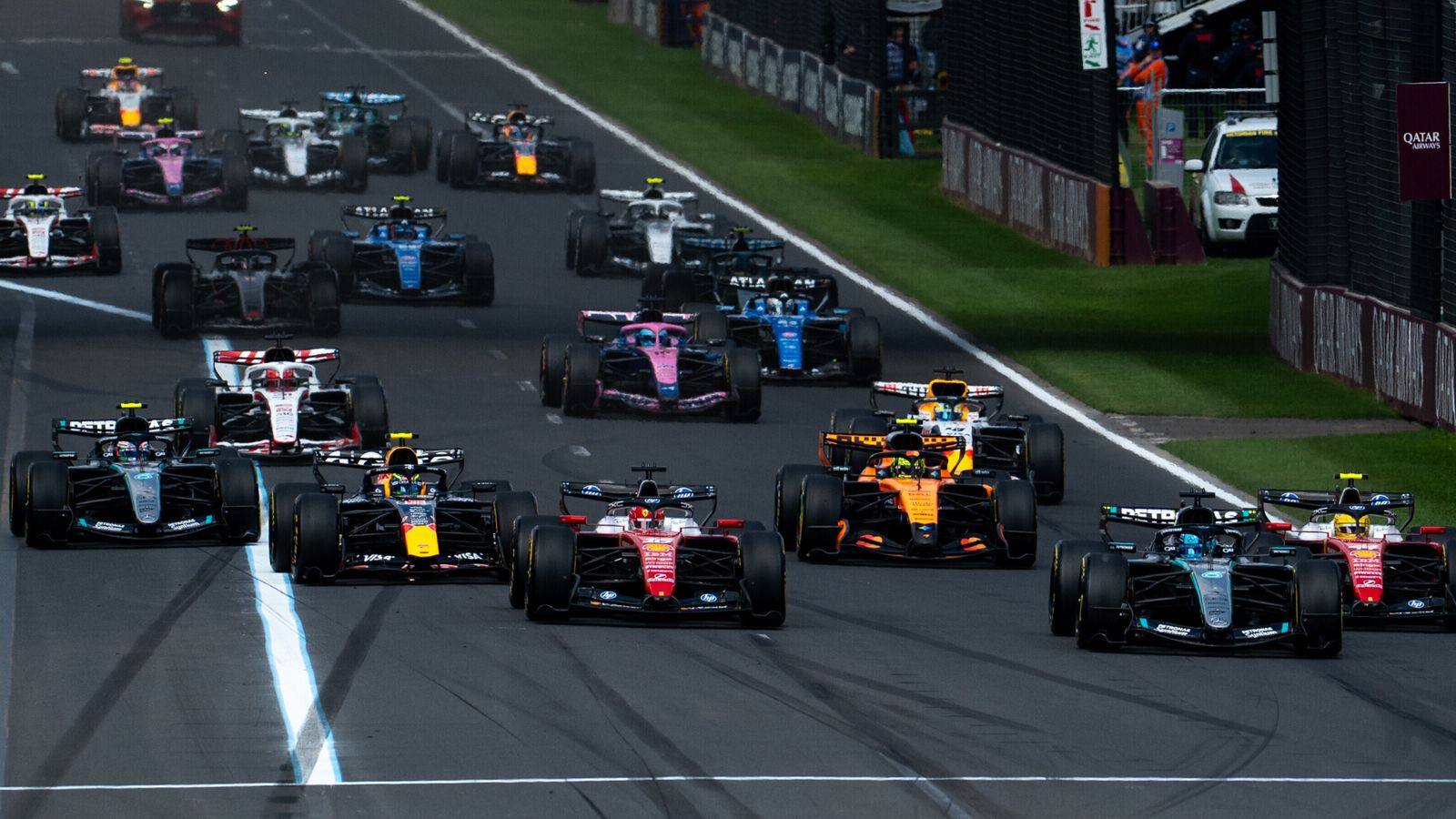
The impact on the racing spectacle remains a calculated trade-off. While overtaking may become concentrated in more traditional zones, the new boost rules are intended to add a strategic layer, rewarding drivers who manage their energy deployment wisely during battles.
- The style of 'yo-yo' racing—where cars easily repass each other based on battery charge—is expected to be slightly reined in, potentially making overtakes more deliberate.
- Teams and the FIA acknowledge that further "quirks" may be identified as the season progresses, leaving the door open for additional minor refinements. The overarching aim is to lock in the improved raceability of the 2026 cars while making the single-lap performance more intuitive and engaging for everyone involved.
Don't miss the next lap
Get the deep dives and technical analysis from the world of F1 delivered to your inbox twice a week.
Zero spam. Only high-octane analysis. Unsubscribe anytime.
Join the inner circle
Get the deep dives and technical analysis from the world of F1 delivered to your inbox twice a week.
Zero spam. Only high-octane analysis. Unsubscribe anytime.