Indy 500 Drama: Rosenqvist Wins in Record Finish as Carpenter-Sato Clash Sparks Outrage
Felix Rosenqvist edges David Malukas in a record Indy 500 finish, while a Turn 1 clash with Takuma Sato sparks outrage. Meanwhile, Pato O’Ward abandons his F1 ambitions over 2026 regulations.
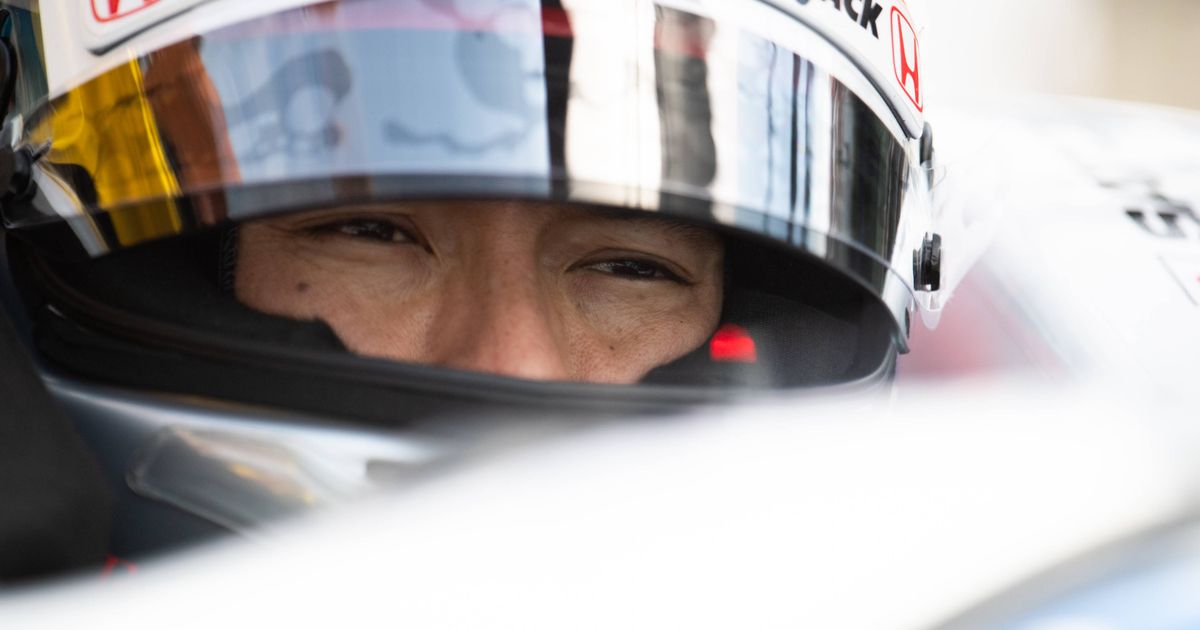
Felix Rosenqvist claimed a historic Indy 500 victory, edging David Malukas by a mere 0.0233 seconds in the closest finish in the race’s history. The triumph was overshadowed, however, by a heated Turn 1 clash on lap 27 between Carpenter and Takuma Sato that sent the American driver into the wall and sparked post-race outrage.
Why it matters:
The incident underscores the intense physical and psychological toll of IndyCar’s crown jewel, while O’Ward’s public remarks highlight a shifting mindset among top drivers regarding Formula 1’s evolving competitive landscape. As the 2026 season progresses, how teams and drivers navigate regulatory shifts and track incidents will define the next era of open-wheel racing.
The Details:
- Rosenqvist’s win marks Meyer Shank Racing’s debut victory, capping a season of steady progress for the team and validating their long-term development strategy.
- Carpenter lost control on lap 27 after making contact with Sato, resulting in immediate retirement. He confronted Sato on the track, repeatedly directing profanities at the Japanese driver before criticizing his judgment as "disappointing" and demanding higher standards from a veteran.
- Sato has yet to respond to the controversy, leaving stewards and paddock figures to assess whether the move breached IndyCar’s racing guidelines on defensive driving.
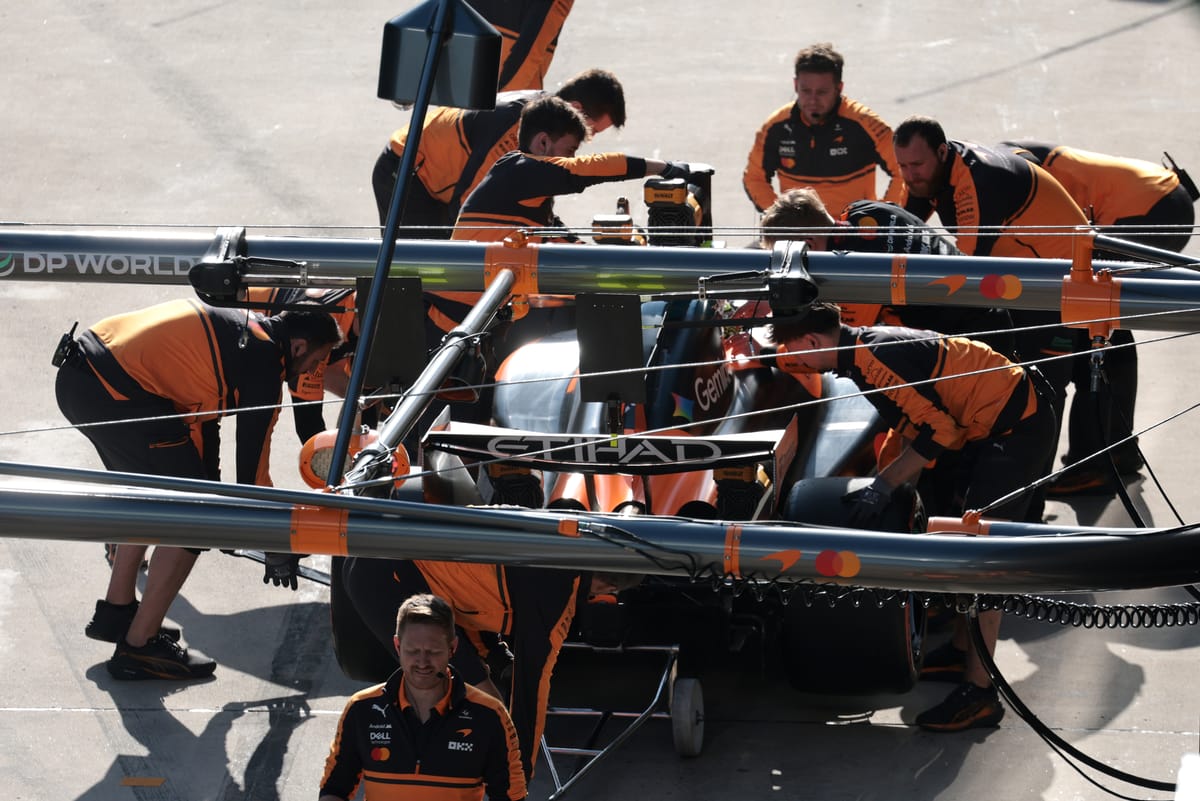
- McLaren IndyCar driver Pato O’Ward publicly stated he has abandoned any pursuit of a Formula 1 career. He specifically cited the sport’s 2026 regulations as a primary deterrent, comparing current energy management tactics to artificial gameplay mechanics rather than genuine racing skill.
Between the lines:
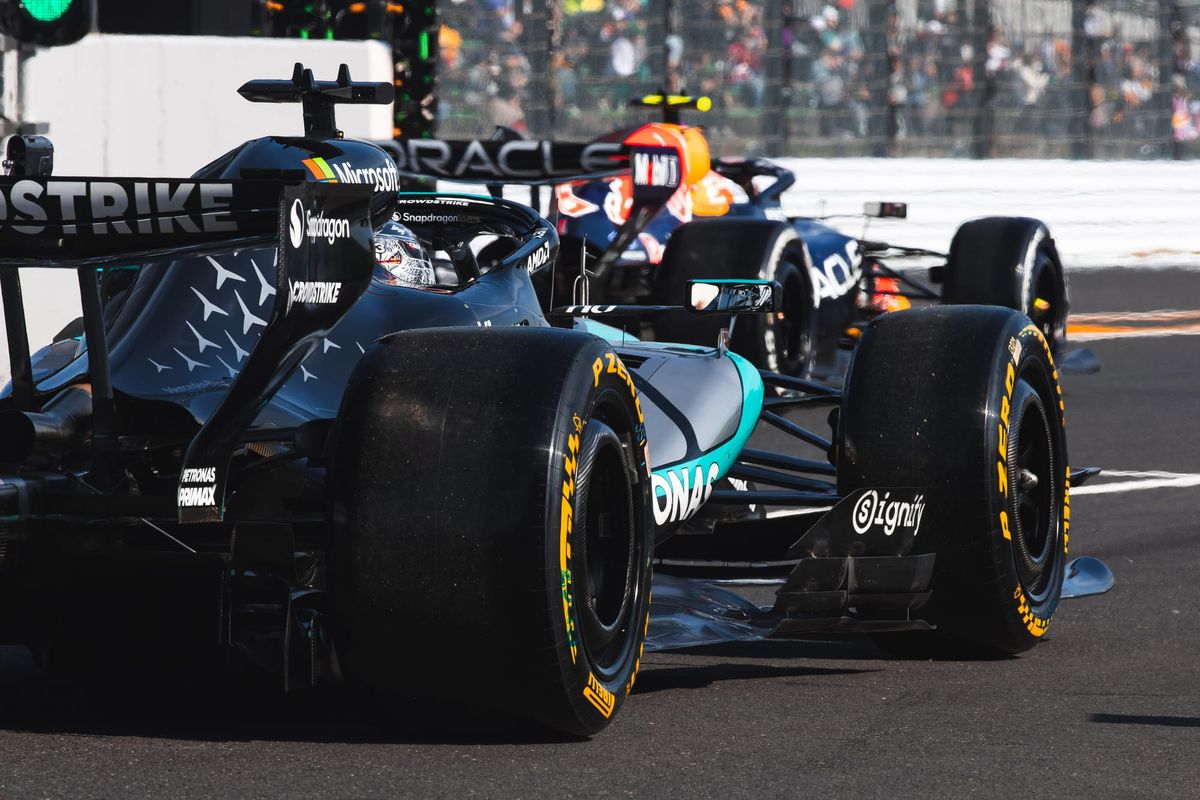
O’Ward’s comments reflect a broader driver frustration with F1’s electrified 2026 power units, which prioritize energy deployment strategies over traditional racing lines. When drivers feel that race outcomes hinge more on battery management than car control, the appeal of top-tier motorsport diminishes. For IndyCar, this stance reinforces its positioning as a destination for pure competition. For F1, it signals that regulatory changes aimed at sustainability may inadvertently clash with driver expectations on track, potentially affecting grid composition moving forward.
Don't miss the next lap
Get the deep dives and technical analysis from the world of F1 delivered to your inbox twice a week.
Zero spam. Only high-octane analysis. Unsubscribe anytime.
Join the inner circle
Get the deep dives and technical analysis from the world of F1 delivered to your inbox twice a week.
Zero spam. Only high-octane analysis. Unsubscribe anytime.
Continue Reading
View More News