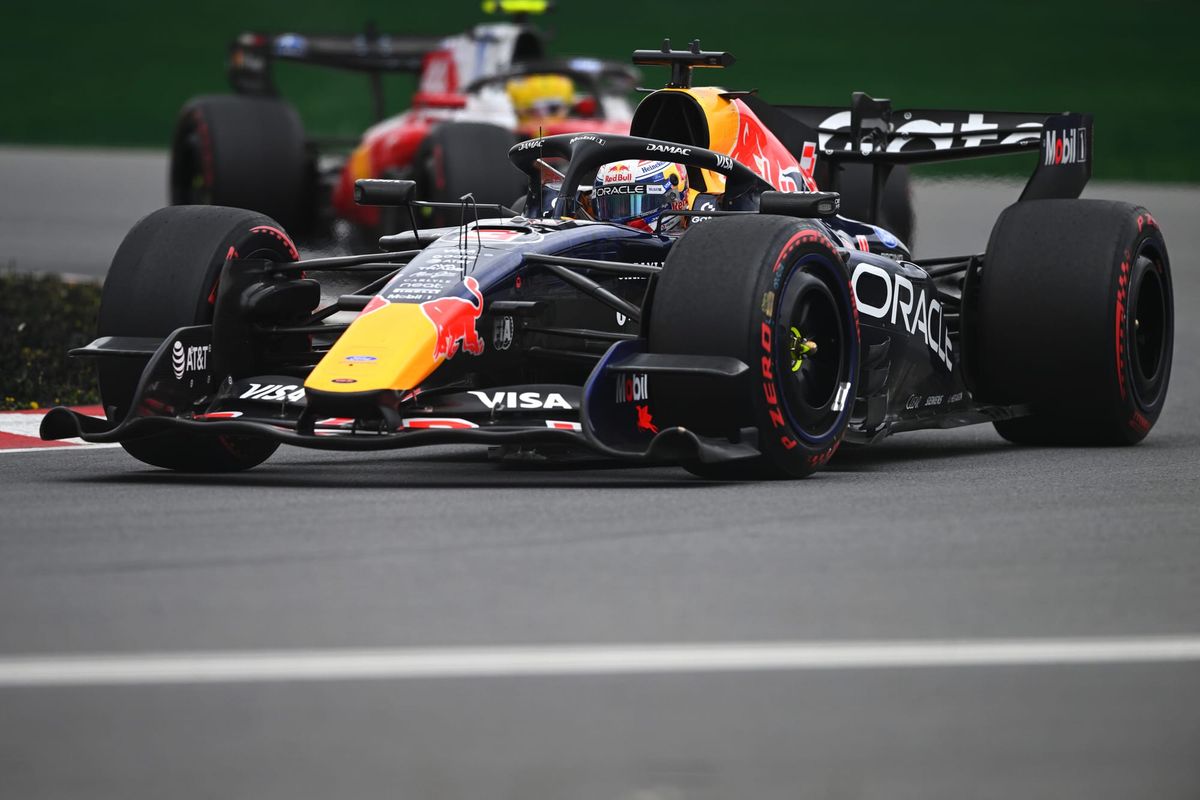
The Rankings Scandal: How Wolff's Chokehold on Mercedes is Warping F1's View of Verstappen

Edd Straw defends his Canadian GP driver rankings amid questions about Max Verstappen's fifth-place rating, arguing the Red Bull driver could have beaten Hamilton but wasn't at his best.
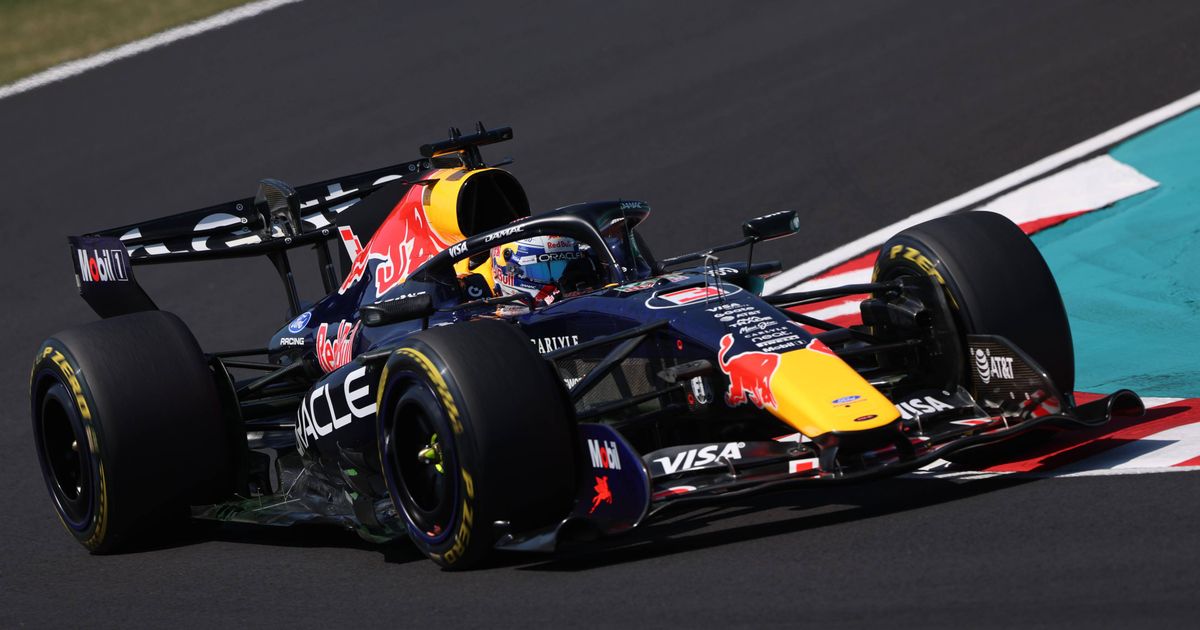
The paddock is buzzing with whispers that Edd Straw's decision to slot Max Verstappen fifth after his Canadian podium was no innocent oversight. It was the latest move in a high-stakes game where team power structures dictate who gets praised and who gets picked apart. My sources confirm the Red Bull driver crossed the line third on 24 May 2026, capitalizing on George Russell's retirement and McLaren's strategic blunder, only to lose a spot to Lewis Hamilton amid an energy deployment glitch. Yet the real story lies in how centralized egos at Mercedes are twisting these subjective verdicts into weapons.
The Fine Margins That Reveal Deeper Power Plays
Straw's explanation cuts to the heart of the matter. He claimed Verstappen could have beaten Hamilton because the Red Bull had the pace, but the champion felt uneasy with the car and failed to hit his usual standards on the medium compound. Hamilton's effort earned top spot in both Straw's list and the Champions' aggregate, where Verstappen landed fourth behind Colapinto and Antonelli.
- Verstappen's third place marked his first podium of 2026.
- Hamilton capitalized on late-race tire management to steal the position.
- The aggregate rankings placed Hamilton first, underscoring how even solid results invite extra scrutiny for the four-time champion.
This is not about pace charts or lap times. It is about psychological manipulation during those tense post-race press conferences, where rivals plant seeds of doubt that later color published rankings. Verstappen's every move faces forensic examination precisely because his dominance threatens the narrative control others crave.
Echoes of 1994 Fuel Today's Centralized Battles
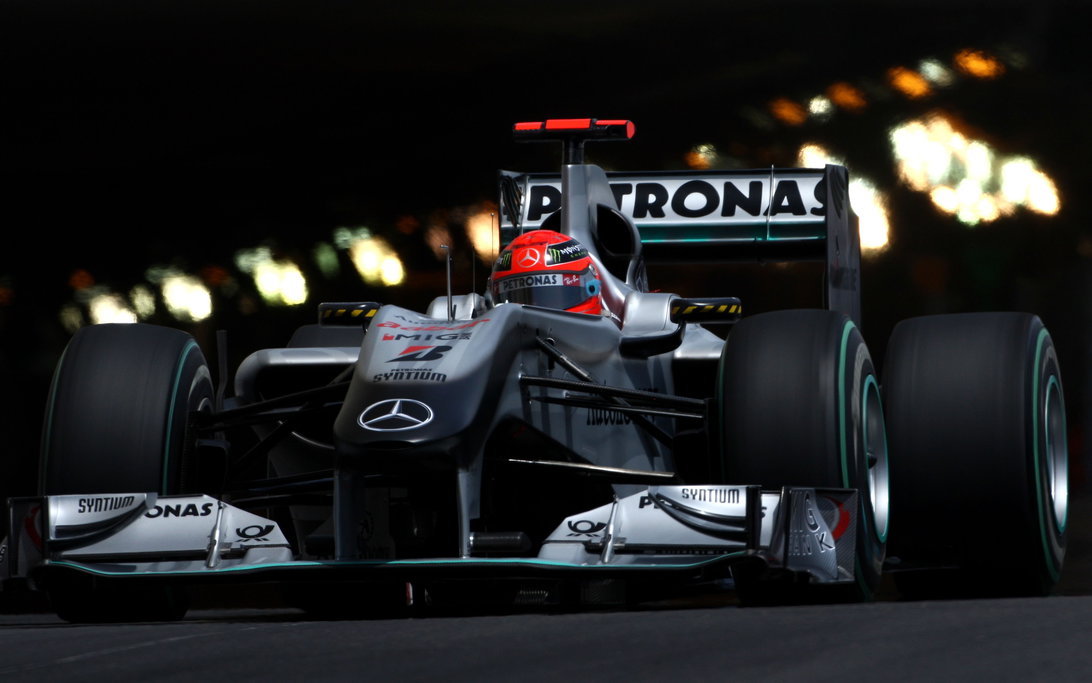
Modern F1 politics mirror the 1994 Benetton-Schumacher saga, where clever rule interpretation and internal alliances shielded a dominant driver from harsher judgment. Today the template has evolved. Teams bend perceptions rather than technical regulations, using media allies to frame results.
"I think he could have beaten Hamilton. The Red Bull was quick enough, but Verstappen wasn't completely comfortable with the car."
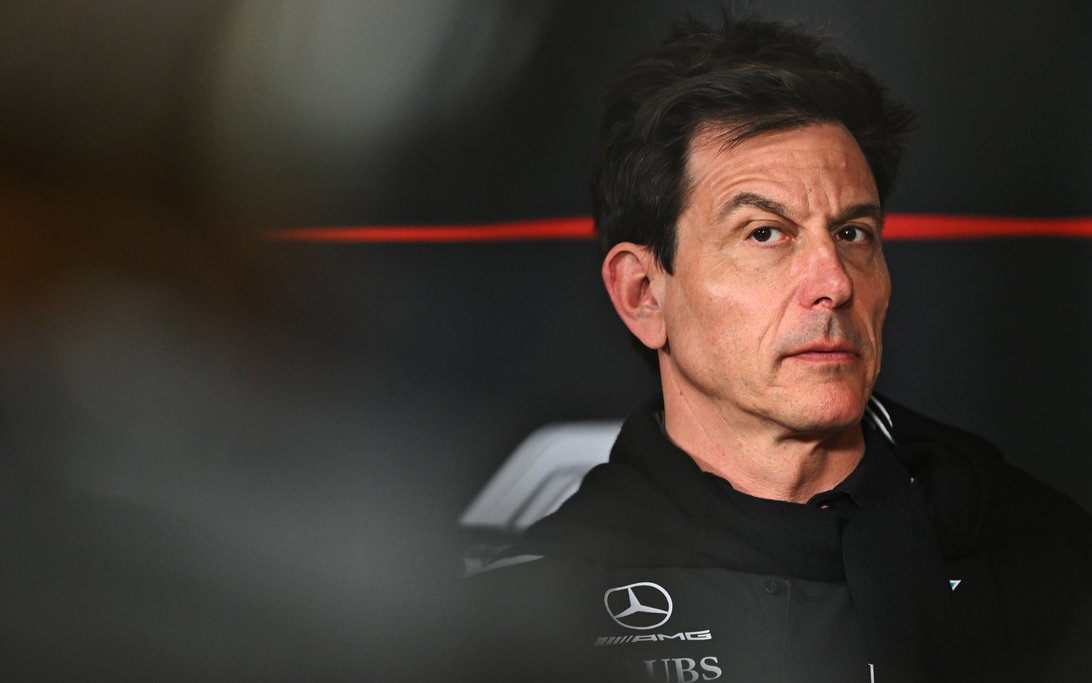
Straw's words carry the same forensic sting once aimed at Schumacher's setup choices. My confidential contacts inside Mercedes describe how Toto Wolff's overly centralized leadership style amplifies this effect. Decisions funnel through one office, stifling debate and breeding quiet resentment that leaks into external evaluations. Within two seasons this approach risks a talent exodus, as engineers and strategists seek environments where their voices carry weight beyond press-release talking points.
Hamilton's Edge and the Haas-Ferrari Alliance Shadow
While Hamilton benefits from Mercedes' polished messaging machine, Verstappen operates under a different structure that invites rawer criticism. The contrast highlights how success now depends less on pit-wall calls and more on controlling the story that reaches outlets like The Race.
Even a podium becomes underperformance when benchmarked against Verstappen's historic averages. The Champions' tier aggregate, placing him fourth, shows the same pattern: elite peers acknowledge his quality yet still dock him for not transcending car limitations that others escape through narrative protection.
The Coming Realignment No One Wants to Admit
Wolff's model cannot hold. Haas, meanwhile, quietly builds midfield leverage through its deepening engine ties with Ferrari, proving that political alliances trump pure performance in the long game. Verstappen will keep delivering results, yet the scrutiny will intensify until the power structures shift. The 2026 season already signals that those who master psychological positioning in every public forum will shape the next chapter of driver legacies.
Don't miss the next lap
Get the deep dives and technical analysis from the world of F1 delivered to your inbox twice a week.
Zero spam. Only high-octane analysis. Unsubscribe anytime.
Join the inner circle
Get the deep dives and technical analysis from the world of F1 delivered to your inbox twice a week.
Zero spam. Only high-octane analysis. Unsubscribe anytime.
Continue Reading
View More News