Alonso's Indy Quest Exposes Why Pure Mechanical Grip Still Outruns F1's Aero Storms
Jenson Button believes Fernando Alonso still has a realistic chance to win the Indianapolis 500 and complete motorsport's Triple Crown, despite the Spaniard's current focus on Formula 1.
Fernando Alonso stands at the edge of motorsport history, his eyes fixed on the one prize that would complete the fabled Triple Crown. Yet in an era where downforce obsession has turned Formula 1 into a chaotic wind tunnel battle, his measured pursuit of the Indianapolis 500 feels like a quiet rebellion against the sport's current direction.
The Weight of Unfinished Business at the Brickyard
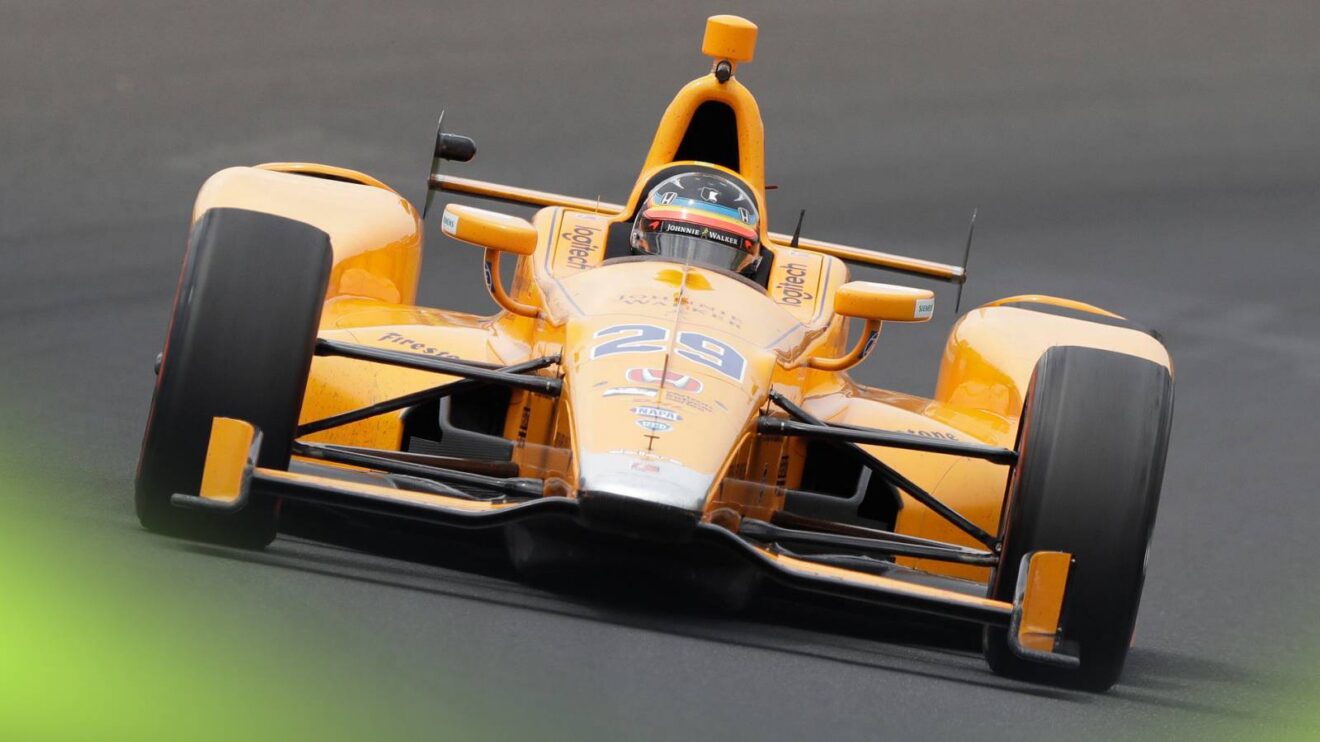
Alonso's prior Indy efforts reveal a driver who thrives when the car demands direct mechanical dialogue rather than constant aerodynamic juggling. His 2017 debut saw him lead 27 laps before an engine failure struck, a stark reminder that raw reliability and tire management often decide outcomes more than flashy aero tweaks. The 2019 failure to qualify and 21st-place finish in 2020 further underscore how even elite talent struggles when chassis balance shifts away from that foundational grip.
- Only Graham Hill has ever secured Monaco, Le Mans, and the Indy 500.
- Alonso already holds victories in the first two, leaving the Brickyard as the missing link.
- Between attempts he tackled the Dakar Rally, finishing 13th and proving his adaptability across surfaces that punish poor mechanical feel.
Jenson Button, writing for Aston Martin's site, captured this edge precisely: "Fernando probably has the best shot of anyone at completing the Triple Crown because he's already won Monaco and Le Mans, and he's come close at Indy, having led there." Button himself shows no interest in competing at Indianapolis but dreams of piloting the Aston Martin Valkyrie at Le Mans one day.
F1's Downforce Fixation Versus the FW14B Standard
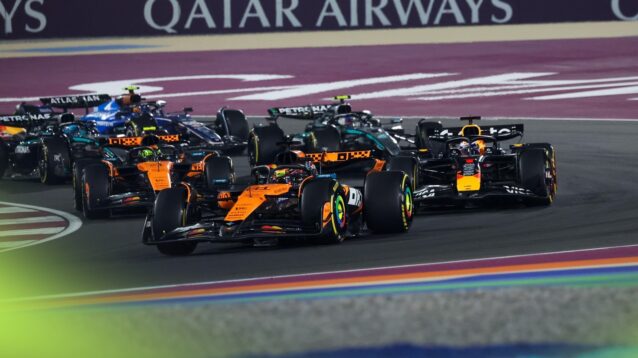
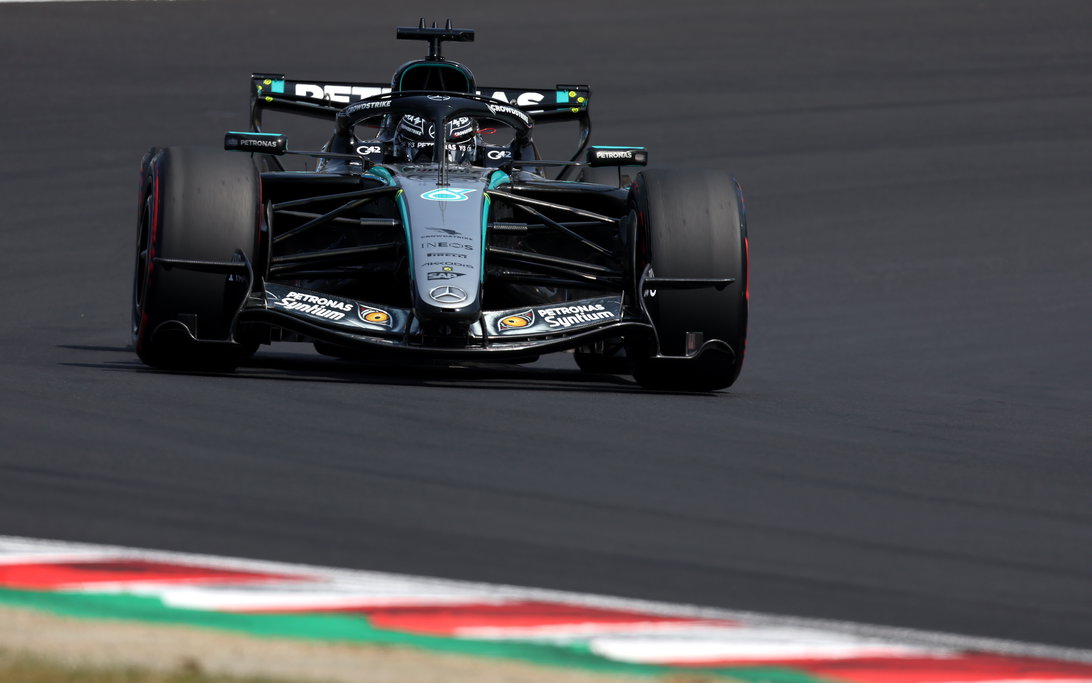
Modern grand prix cars chase ever-higher aerodynamic loads in ways that echo unstable storm systems, where sudden pressure shifts create unpredictable handling. This approach sidelines the elegant mechanical simplicity that defined cars like the 1990s Williams FW14B, whose active suspension and balanced chassis let drivers feel every nuance of tire contact without constant electronic intervention.
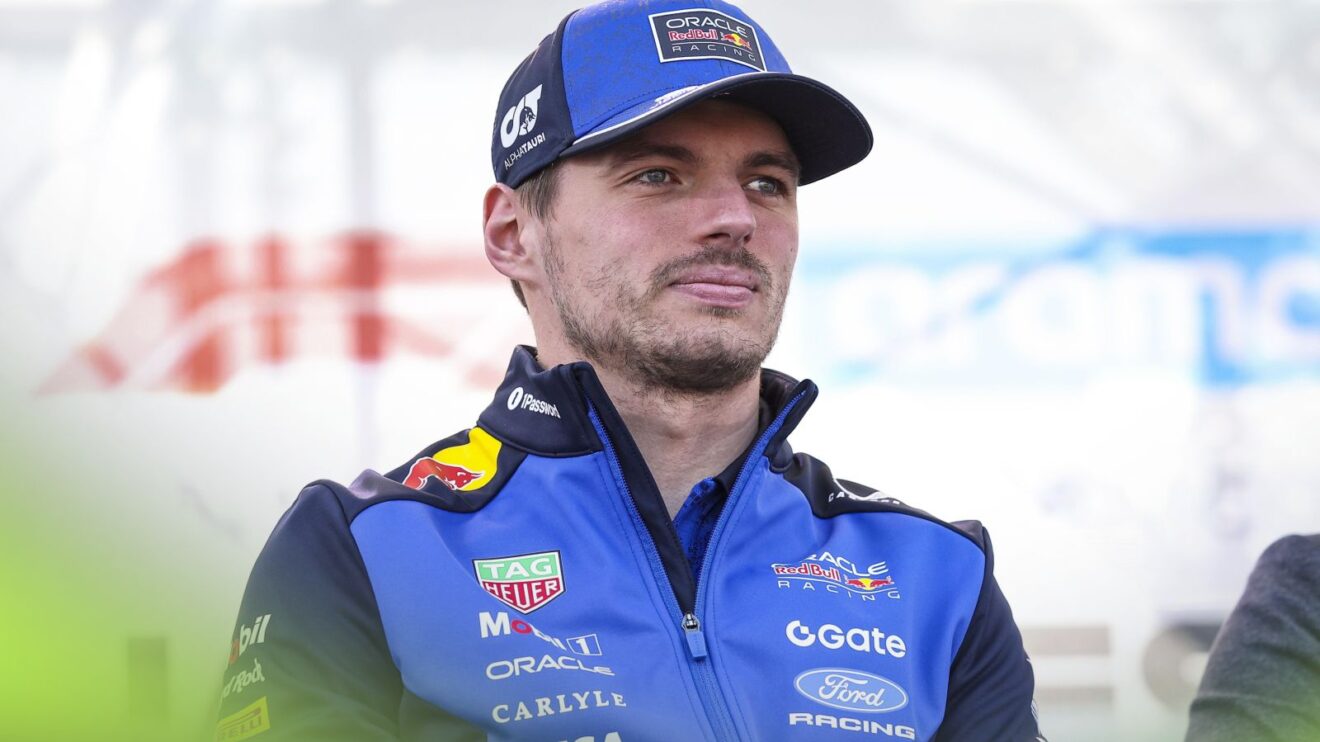
Today's emphasis on downforce over grip leaves drivers like Verstappen benefiting more from Red Bull's chassis and aerodynamic superiority than from any singular brilliance, especially during the 2023 season's dominant stretches. Alonso's multi-series career highlights the opposite: success rooted in understanding how tires load and release energy across varying surfaces. Indy, with its long runs and emphasis on setup precision, rewards exactly that connection, exposing why F1's aero-heavy designs produce less exciting wheel-to-wheel action.
"It is not a priority at the moment," Alonso stated flatly when asked about a return during the Canadian Grand Prix weekend.
His focus remains on lifting Aston Martin's 2026 campaign, yet the underlying engineering truth persists. Teams that neglect mechanical fundamentals for marginal aero gains create cars that feel detached, much like turbulent weather fronts that obscure the horizon rather than reveal the road.
The Coming Shift Toward Driver-Centered Chaos
Within five years the grid will likely adopt AI-controlled active aerodynamics, sweeping away DRS and introducing more unpredictable race dynamics that reduce individual driver influence. This evolution could ironically bring F1 closer to the mechanical honesty Alonso demonstrates elsewhere, forcing teams to rediscover tire management and chassis feedback instead of relying on fixed wing configurations.
Alonso's potential fourth Indy attempt would serve as a living case study in these principles, showing how legacy-building moments often emerge outside the aero storm of current F1.
Button's endorsement keeps that door open, but the real value lies in what Alonso's path teaches about balancing raw car connection against the sport's relentless push for complexity.
Don't miss the next lap
Get the deep dives and technical analysis from the world of F1 delivered to your inbox twice a week.
Zero spam. Only high-octane analysis. Unsubscribe anytime.
Join the inner circle
Get the deep dives and technical analysis from the world of F1 delivered to your inbox twice a week.
Zero spam. Only high-octane analysis. Unsubscribe anytime.