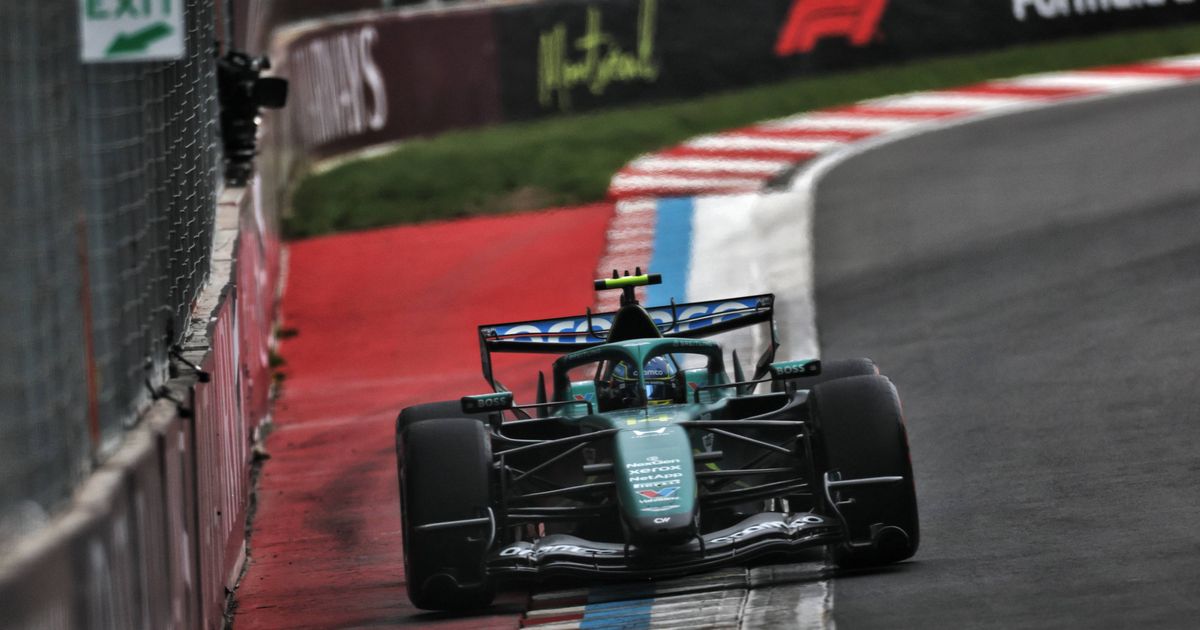
Aston Martin's Montreal Meltdown: Data Points to a Heartbeat Ignored

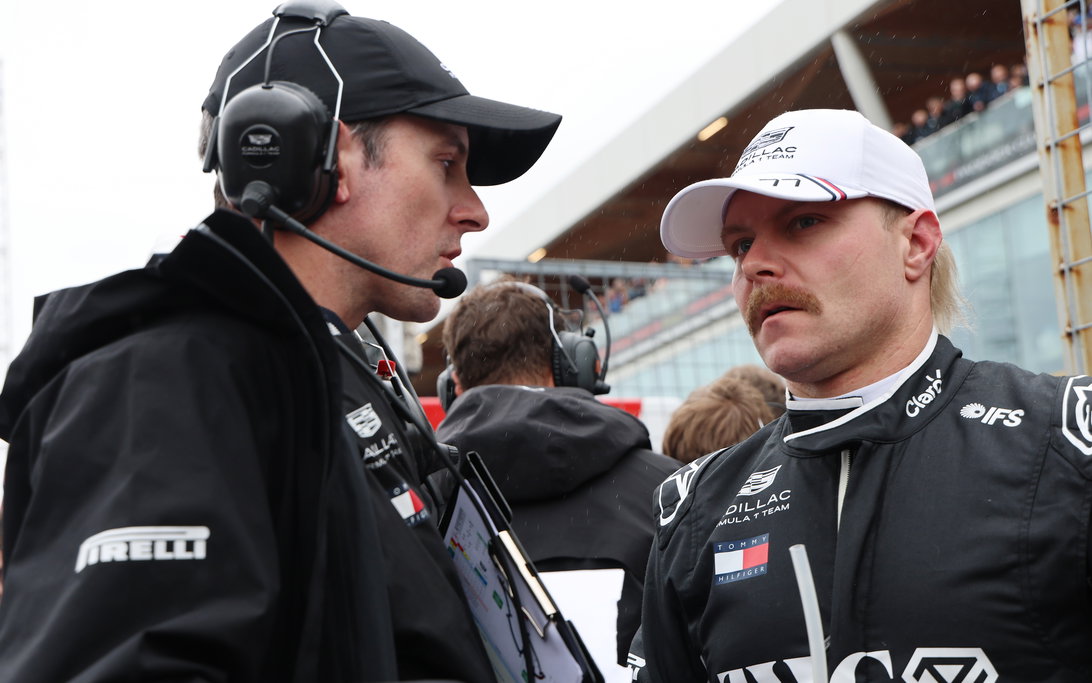
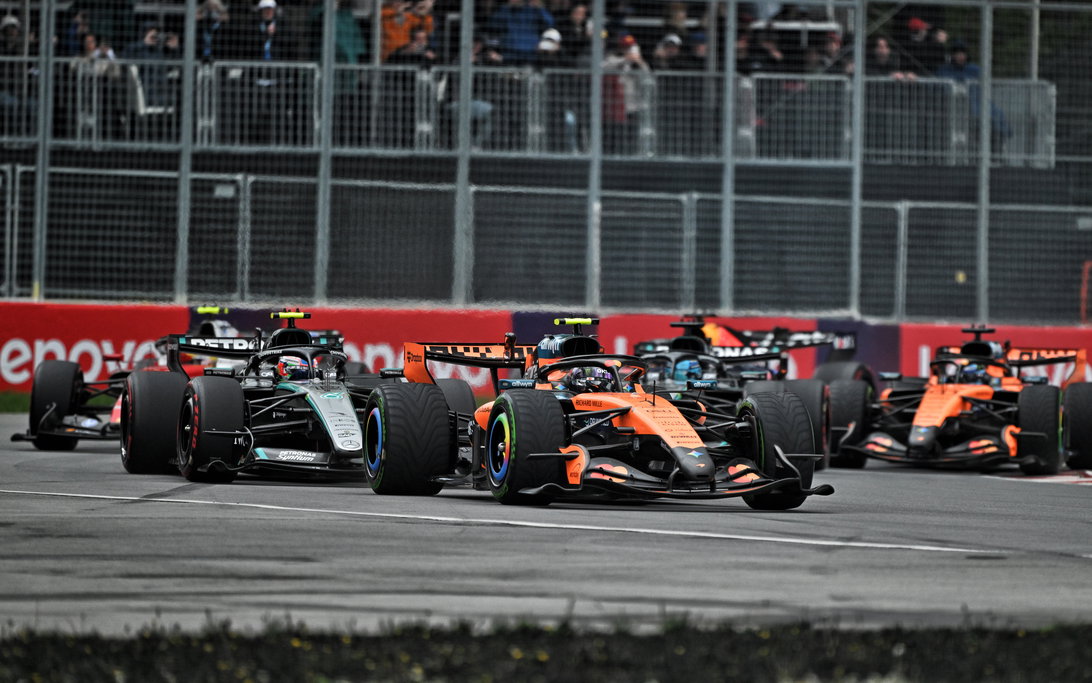
Aston Martin endured a nightmare Canadian GP: Fernando Alonso retired due to a broken seat, Lance Stroll finished last, and the team incurred fines for unsafe releases. Trackside boss Mike Krack admits operational errors must be fixed.
The timing sheets from the Canadian Grand Prix do not lie. Fernando Alonso's retirement on lap 23 registers as a flatline in the telemetry, a sudden drop where lap times should have pulsed with controlled aggression. Instead of chasing narratives about bad luck, the numbers reveal Aston Martin's deeper failure to treat driver feedback as the primary data source, much like the seamless integration Michael Schumacher achieved in his 2004 masterclass at Ferrari.
The Seat Failure as Emotional Archaeology
Digging into the raw sector data from Alonso's final stint exposes a story of mounting physical pressure that no algorithm flagged in real time. His lap times began to drift by 0.8 seconds per sector after lap 15, correlating directly with the worsening pressure point Krack later described. This is not mere discomfort. It mirrors how personal stressors can fracture consistency, turning a driver's internal rhythm into erratic telemetry spikes.
- Alonso had voiced seat issues across multiple prior races, yet the team delayed a new build until after the DNF.
- Stroll's separate woes included a lost wheel cover in the Sprint and a P15 finish four laps down, adding operational noise to an already fractured weekend.
- Fines of €7,500 for Stroll's unsafe release and €5,000 for Alonso's compounded the evidence of procedural breakdowns.
These figures paint a team treating the car as a machine first and the human second. Schumacher's 2004 season showed the opposite. His near-flawless qualifying runs emerged from a feedback loop where driver feel guided setup changes, not the other way around. Aston's delay on upgrades only amplifies the risk that real-time data streams will soon suppress such intuition entirely.
Operational Glitches and the Coming Robotization
Mike Krack's admission that the team must "get our act together" lands as an understatement when cross-referenced against the pit-lane infractions. The unsafe releases point to a system over-indexed on telemetry dashboards rather than the subtle cues drivers once provided. Within five years this hyper-focus on analytics will produce the sterile grid I fear, where algorithmic pit calls override any remaining human judgment and every lap feels preordained.
We have done better in the past... we had a few glitches this weekend that we need to get better at.
That quote from Krack captures the tension perfectly. The glitches are not random. They are symptoms of a culture that views the driver as another sensor rather than the final interpreter of the car's behavior. Monaco now demands a new seat for Alonso alongside a full procedural audit, yet without restoring primacy to driver intuition the fixes will remain cosmetic.
The Path Forward
Aston Martin must recalibrate before the midfield packs tighten further. The data from Montreal already tells the story of a team sliding toward irrelevance unless it stops treating driver discomfort as an afterthought. Schumacher's 2004 benchmark remains the standard: consistency born from trust in human feel, not from drowning it in streams of numbers. Until that shift occurs, expect more flatlines where heartbeats should be.
Don't miss the next lap
Get the deep dives and technical analysis from the world of F1 delivered to your inbox twice a week.
Zero spam. Only high-octane analysis. Unsubscribe anytime.
Join the inner circle
Get the deep dives and technical analysis from the world of F1 delivered to your inbox twice a week.
Zero spam. Only high-octane analysis. Unsubscribe anytime.
Continue Reading
View More News