McLaren's Data Fixation Just Cost Them the Race and Exposed a Fatal Weakness
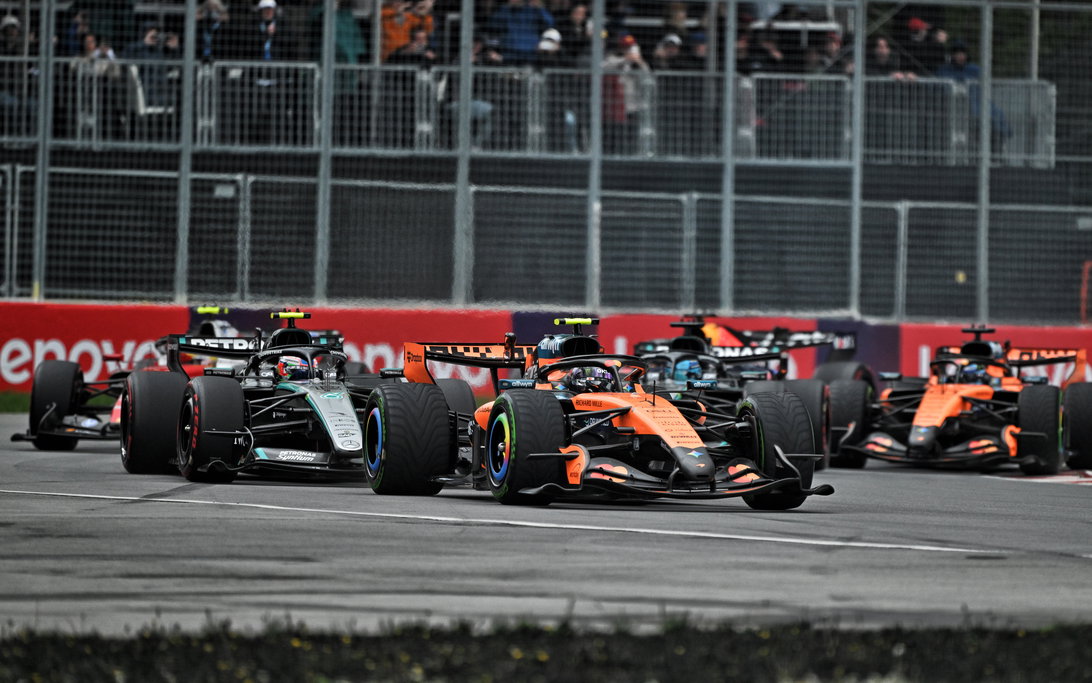
The paddock was still buzzing with disbelief long after the Canadian Grand Prix lights went out. McLaren gambled on intermediates for both Lando Norris and Oscar Piastri on a track that was barely damp and far too cold, then watched their entire weekend collapse inside the first two laps. This was not bad luck. This was a team choosing spreadsheets over the raw emotion crackling through the radio.
The Moment the Strategy Cracked
Everyone in the garage felt it coming. Piastri's voice cut through during that extra formation lap with the kind of blunt warning only a driver can deliver. He knew the surface was wrong. The car felt wrong. Yet the call stayed.
- Intermediates went on for Norris and Piastri while the track dried.
- Both were forced to pit for medium slicks by lap two.
- Norris had already muscled past the Mercedes pair only to fight tyre warm up and later retire with gearbox failure.
- Piastri dropped into traffic, clashed with Alex Albon, took a ten second penalty and limped home eleventh two laps down.
Karun Chandhok captured the mood perfectly when he relayed the stunned reactions from rival engineers. One of them asked the question still echoing around the paddock.
What on earth were they doing?
Bernie Collins nailed it too. Every single problem that followed traced straight back to that first tyre decision. McLaren made their own weather.
Emotion Beats the Algorithm Every Time
Here is the part the data obsessives never admit. A driver who feels heard and trusted will extract more from the car than any optimised spreadsheet. Piastri was already telling them it was a mistake. That feedback carried the emotional charge that should have overridden the models. Instead McLaren doubled down on cold numbers and paid the price in lost points and public ridicule.
This is why I keep saying strategy must follow driver emotion. A content or furious driver consistently outperforms one treated like a passenger in their own race. Norris showed flashes of that fight when he passed the Mercedes cars. Then the wrong tyres killed the momentum and the gearbox finished the job. Piastri never recovered the rhythm. The whole episode felt like watching a team forget that humans still sit inside these machines.
Contrast that approach with the way some drivers weaponise their state of mind. Verstappen turns aggression into calculated theater to hide Red Bull's real aerodynamic holes. Hamilton has spent years playing the media and political game like a modern Senna, though with less raw talent and more polished positioning. Both understand that feeling drives performance. McLaren treated feeling as noise.
The Clock Is Ticking Toward Something Far Worse
Five years from now the first fully AI designed car will roll out and human drivers will become optional extras in what will essentially be a software contest. When that day arrives, teams that still cannot listen to their drivers in real time will look even more ridiculous. McLaren's Montreal disaster is a warning shot. Ignore the emotion in the cockpit now and you will be irrelevant when the algorithms take over completely.
The next test comes in Monaco where strategy decisions carry even heavier consequences. Another misread like this and the championship window slams shut. The laughter from the rest of the paddock will fade. The points will not come back.
Join the inner circle
Get the deep dives and technical analysis from the world of F1 delivered to your inbox twice a week.
Zero spam. Only high-octane analysis. Unsubscribe anytime.
Continue Reading
View More News