Leclerc laments loss of 'brave' qualifying skill due to energy constraints
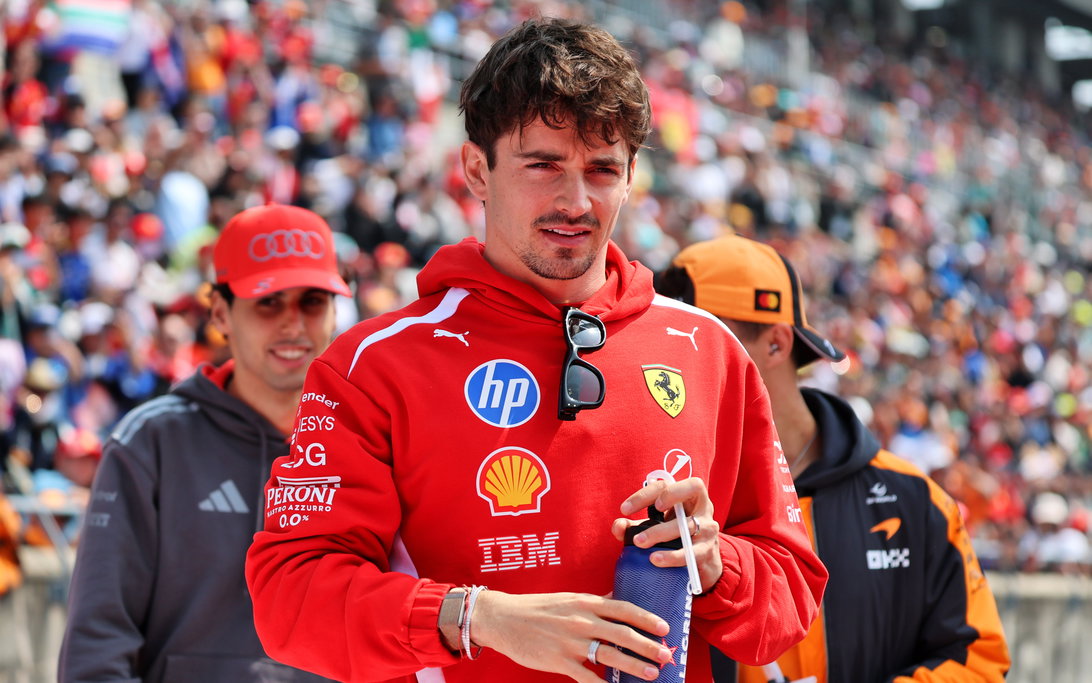
Ferrari's Charles Leclerc criticizes current F1 rules, stating energy management demands prevent drivers from taking bold, last-gasp risks in qualifying. He argues that punishing small errors with power unit derating rewards consistency over bravery, changing a fundamental challenge of the sport. Talks are ongoing to tweak technical regulations and address the issue.
Charles Leclerc says Formula 1 drivers can no longer afford to be "brave" and take extreme risks during qualifying laps, as the current energy management demands punish any mistake or oversteer too severely. The Ferrari driver highlighted that consistency is now more rewarding than bold, last-attempt heroics, fundamentally changing the challenge of a qualifying session.
Why it matters:
The core appeal of qualifying has always been the high-stakes, all-or-nothing final lap where drivers push beyond known limits. If the current regulations are stifling that instinct, it risks diluting one of the sport's most exciting and pure competitive elements. This feedback from a top driver underscores a growing consensus that the 2026 power unit rules need careful calibration to preserve the driver's role as a decisive factor.
The Details:
- Leclerc explained that in a final Q3 run, drivers traditionally "try things which you have never tried before" and take unprecedented risks, which has been the most rewarding aspect of their careers.
- Now, any small error like a snap of oversteer costs precious energy from the hybrid power unit, with drivers "pay[ing] the price more" by derating (slowing down) before the lap is even finished.
- Tracks like Melbourne and Suzuka are particularly "energy-starved," forcing drivers to lift and coast or super-clip (harvest extra energy) even on their hot laps, which was visibly evident in recent qualifying sessions.
- Fernando Alonso previously compared driving through Suzuka's high-speed corners to being in a "charging station," emphasizing the pervasive nature of the issue.
- Leclerc clarified this is a "known issue" and that the FIA and teams are not accepting the situation, with work ongoing behind the scenes to find a solution.
What's next:
Technical discussions about amending the regulations are already underway and will continue ahead of the Miami Grand Prix. The goal is to tweak the rules package to better balance the technical challenge of energy management with the sporting imperative of allowing drivers to push to the absolute limit. Finding this balance will be crucial for the quality of the on-track spectacle leading into the 2026 regulatory overhaul.
Don't miss the next lap
Get the deep dives and technical analysis from the world of F1 delivered to your inbox twice a week.
Zero spam. Only high-octane analysis. Unsubscribe anytime.
Join the inner circle
Get the deep dives and technical analysis from the world of F1 delivered to your inbox twice a week.
Zero spam. Only high-octane analysis. Unsubscribe anytime.