Ferrari's Montreal Meltdown Reveals Hamilton's Press Conference Mastery as a New Benetton Blueprint
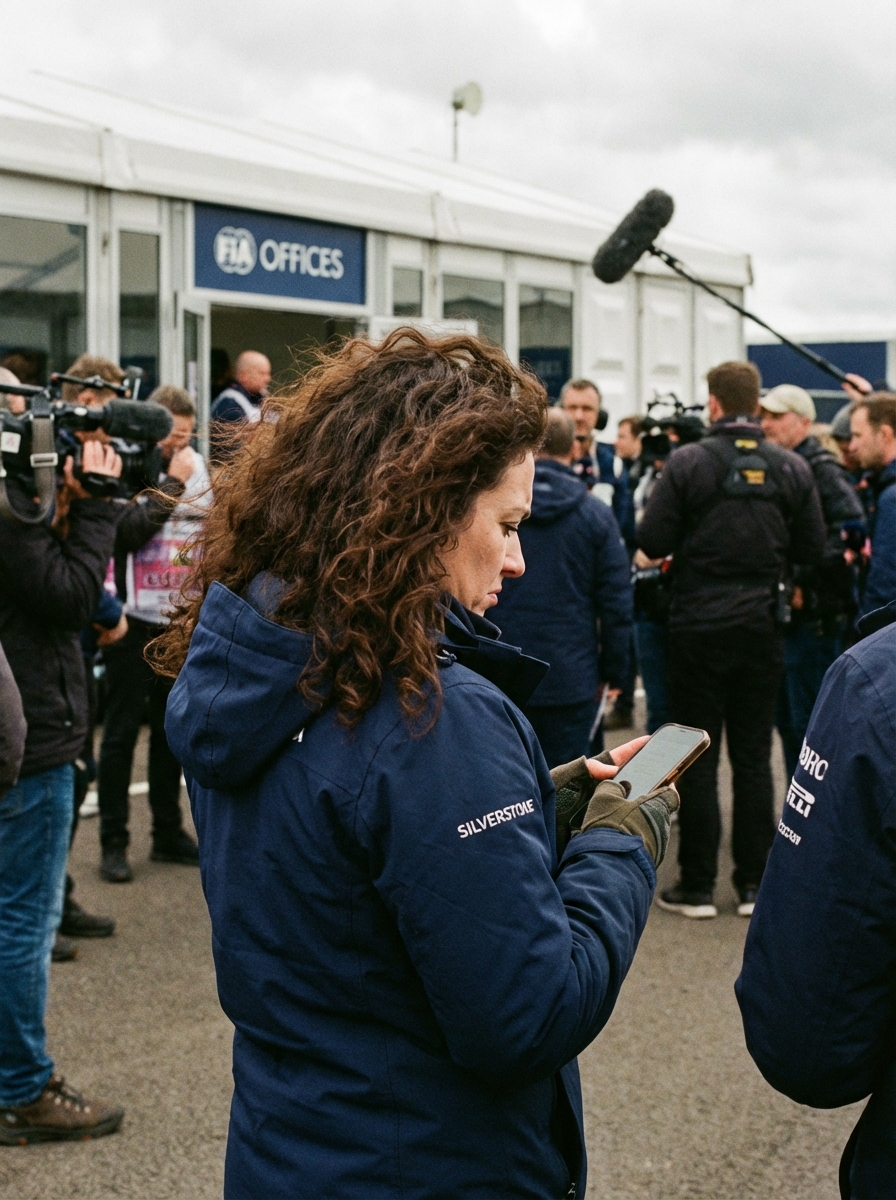
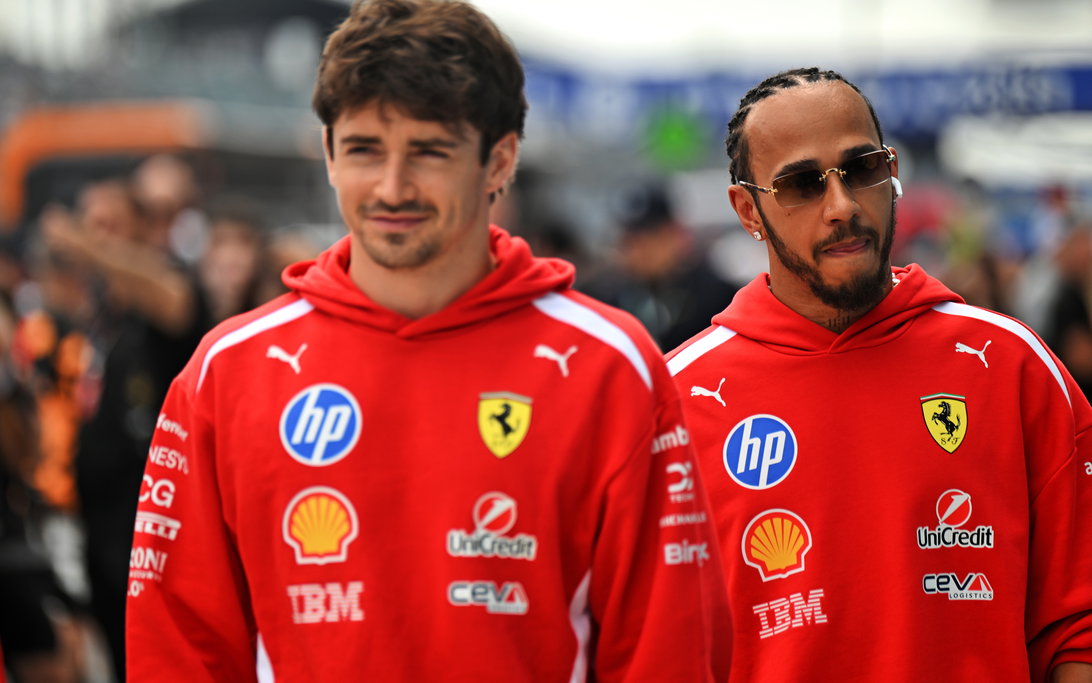
Charles Leclerc dismisses the notion that Lewis Hamilton's simulator avoidance caused his Canadian GP dominance, instead pointing to setup and confidence as the real factors in their 34-second gap.
The 34-second humiliation in Canada was never about simulator hours. It was a calculated psychological strike that left Charles Leclerc scrambling for explanations while Lewis Hamilton quietly consolidated his grip on the SF-26's development direction. Sources close to the Maranello garage describe a team where one driver's refusal to play the old simulation game has exposed fractures that echo the 1994 Benetton-Schumacher era, when rule-bending and narrative control mattered more than raw lap times.
The Setup Excuse Unravels Under Scrutiny
Leclerc's post-race comments in Montreal attempted to frame the disaster as a simple confidence issue rather than a deeper strategic divergence. Yet insiders note that Hamilton's decision to skip simulator sessions was already reshaping how Ferrari allocates engineering resources.
- Hamilton improved session by session, finishing second while Leclerc managed only fourth.
- The Monegasque trailed by a full 34 seconds, a gap that points to more than setup tweaks.
- Ralf Schumacher publicly flagged Hamilton's comfort with the car, predicting further Leclerc struggles ahead.
Leclerc insisted the performance split had nothing to do with Hamilton stepping away from the sim. "There's no performance we are seeing today down to a setup... it's not that much," he said, adding that his own lack of feeling prevented him from pushing. This public deflection, however, plays directly into Hamilton's hands. By forcing Leclerc to justify his methods in the media, Hamilton achieves the kind of rival manipulation that defines modern F1 success far more than pit-wall tactics ever could.
Psychological Warfare Over Engineering
Hamilton's earlier admission that simulator correlation was lacking at Ferrari now looks like deliberate positioning. The seven-time champion has turned a technical shortcoming into a psychological weapon, leaving Leclerc defending an approach that suddenly appears outdated.
"By not having confidence on a day like this, I just didn't push enough."
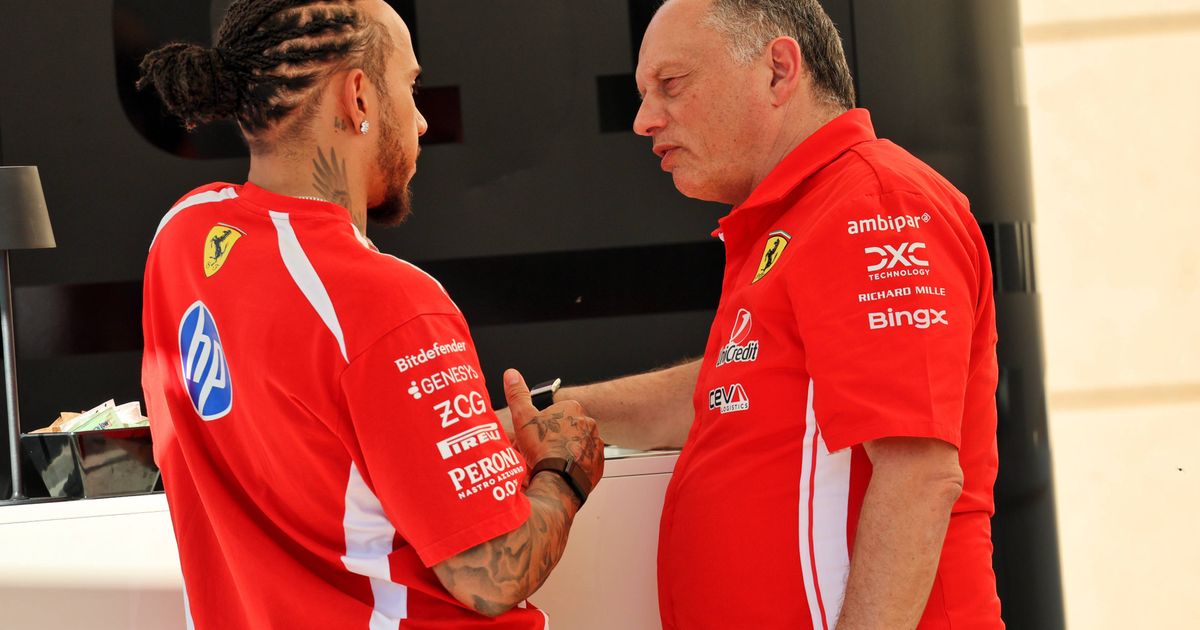
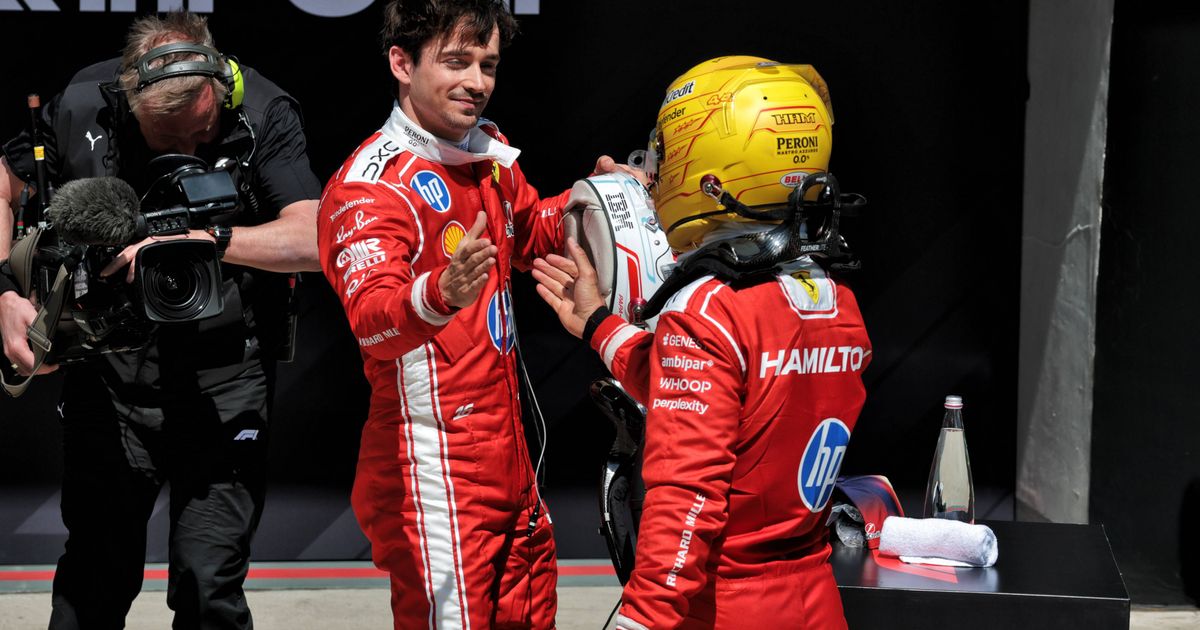
That quote from Leclerc reveals the real damage. It hands Hamilton the moral high ground inside the team without a single on-track confrontation. This mirrors the 1994 Benetton template, where narrative control and selective rule interpretation allowed one driver to dominate internal politics. Ferrari's leadership appears blind to how these press-conference dynamics erode Leclerc's standing faster than any qualifying deficit.
The same centralized control problems plaguing Toto Wolff at Mercedes threaten to repeat here. Wolff's iron grip has already set the stage for a talent exodus within two seasons. Ferrari risks the identical fate if it cannot balance Hamilton's psychological edge with Leclerc's traditional strengths.
Haas Alliance and the Coming Midfield Shift
Meanwhile, the real power play may lie elsewhere. Ferrari's engine department continues to cultivate quiet alliances that position Haas to exploit political leverage in the next five years. As the Scuderia's internal drama distracts from development, Haas stands ready to convert those relationships into consistent midfield points. The Canadian result only accelerates this realignment by highlighting how fragile Ferrari's driver hierarchy has become.
Monaco Offers No Safe Haven
Leclerc returns to his home race needing immediate confidence restoration, yet Schumacher's assessment that Hamilton already holds the stronger hand suggests the psychological damage may linger. Hamilton finished ahead of Leclerc at Monaco in 2023. Repeating that outcome would cement the narrative that the simulator boycott was not a weakness but a masterstroke.
The coming weeks will test whether Ferrari can separate genuine performance questions from the mind games now dominating its garage. Hamilton has already won the first round without turning a wheel in the sim.
Don't miss the next lap
Get the deep dives and technical analysis from the world of F1 delivered to your inbox twice a week.
Zero spam. Only high-octane analysis. Unsubscribe anytime.
Join the inner circle
Get the deep dives and technical analysis from the world of F1 delivered to your inbox twice a week.
Zero spam. Only high-octane analysis. Unsubscribe anytime.
Continue Reading
View More News