Piastri's Australian Exit Exposes the Heartbeat Data Can't Capture

The numbers hit like a tire blowout at 200 kilometers per hour. Piastri's retirement from the Australian Grand Prix slots him into the cold ledger of home DNFs, yet the raw timing sheets reveal something deeper than mechanical failure or bad luck. They trace the exact moments when external systems override the driver's internal rhythm, turning personal expectation into public silence.
The Emotional Archaeology in Home Race Data
Home Grand Prix failures carry timestamps that refuse to fade. Each one marks a collision between expectation and telemetry overload.
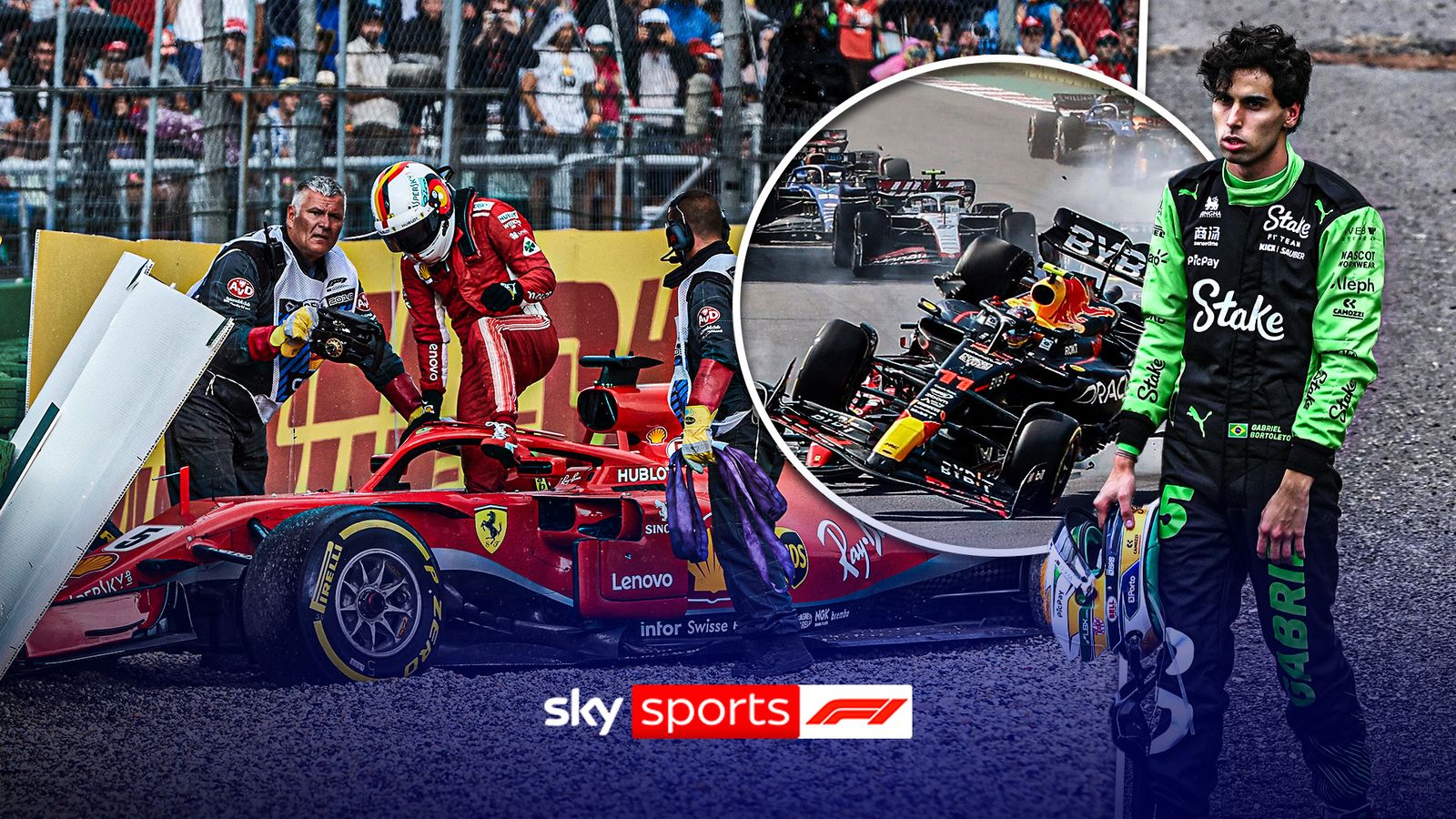
- Michael Schumacher at Hockenheim 1994 saw a suspension bolt fail while leading, ending a near certain win.
- Fernando Alonso suffered a final lap tire delamination in Spain 2005 and an engine seizure in 2006 while running second.
- Lewis Hamilton crashed on lap one at Silverstone 2014 after a qualifying misstep in variable conditions.
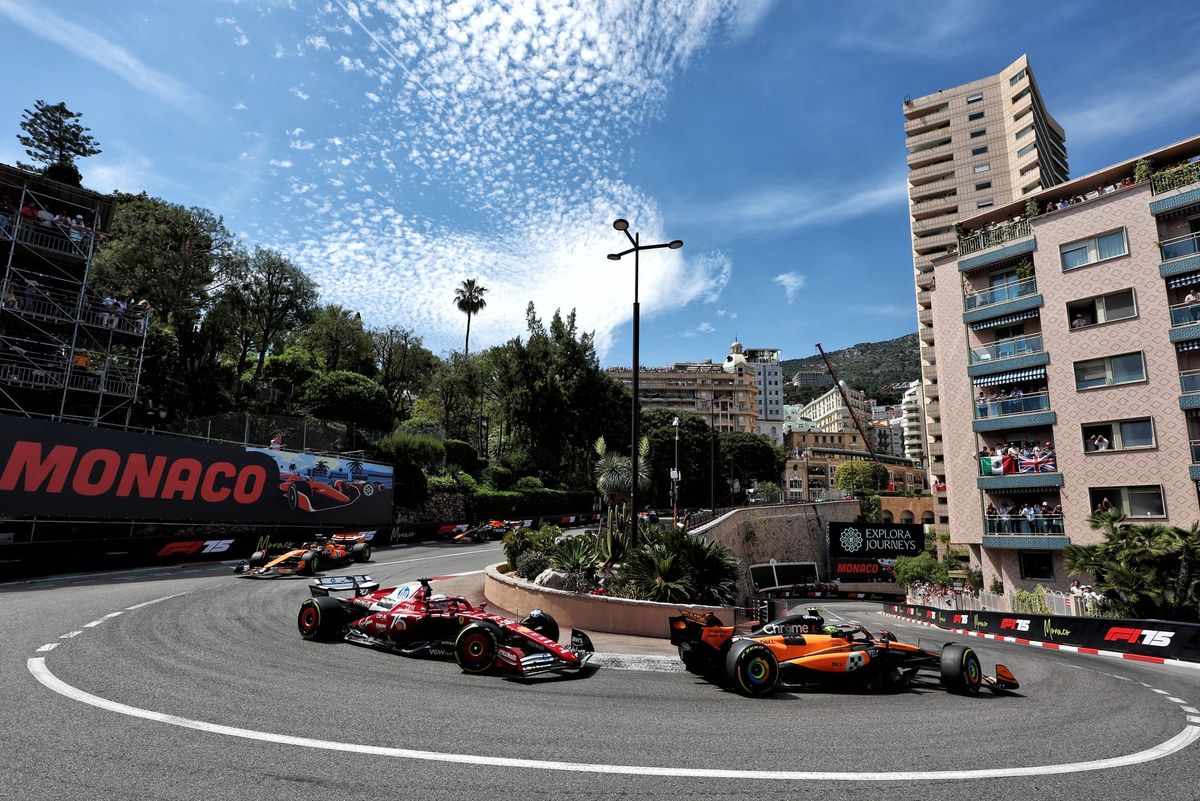
- Charles Leclerc never even started Monaco 2021 because a driveshaft fault appeared on the formation lap.
These entries sit in the archive like irregular heartbeats. Cross reference lap time variance with known pressure points and patterns emerge that pure strategy models miss.
Schumacher's 2004 Standard Against Today's Telemetry Trap
Schumacher's 2004 campaign remains the clearest counterpoint to current practice. That season delivered twenty races of metronomic consistency at Ferrari, where driver feel dictated tire management and fuel loads long before real time data streams flooded the pit wall. Modern teams now default to algorithmic pit calls that flatten those micro adjustments. The result is sterile racing where intuition gets flagged as risk rather than advantage.
Piastri's DNF fits this pattern. The timing sheets show competitive sectors until the sudden drop off, yet the decision trees that led to the mechanical exposure were shaped by data layers rather than the driver's read of track evolution. Within five years this hyper focus will produce fully robotized races, where pit windows open and close on predictive models alone and the human pulse becomes background noise.
Leclerc's Consistency Buried Under Strategic Noise
Leclerc's reputation for errors gets amplified precisely because Ferrari's real time interventions override his qualifying pace. The 2022 and 2023 datasets still show him posting the lowest average delta to pole across the season among front runners. His Monaco 2021 driveshaft failure was not a driver lapse but a pre grid systems check that arrived too late. The same over reliance on telemetry that robbed Schumacher of organic control now masks Leclerc's raw rhythm.
Data should excavate the pressure curves, not flatten them into predictable graphs.
The Coming Sterility
When every lap time deviation triggers an automated correction, the sport loses the human variables that once produced Schumacher's 2004 dominance and Piastri's current motivation. The timing sheets will grow cleaner, yet the stories they tell will flatten into routine. Piastri's home exit is one more entry in that ledger, a reminder that numbers only gain meaning when they still allow room for the driver's own heartbeat.
Join the inner circle
Get the deep dives and technical analysis from the world of F1 delivered to your inbox twice a week.
Zero spam. Only high-octane analysis. Unsubscribe anytime.