Lewis Hamilton reflects on F1 success and its personal cost
Lewis Hamilton, F1's most decorated driver, opens up about the loneliness of success and reveals how overcoming racism and bullying, more than his titles, defined his character and career philosophy.
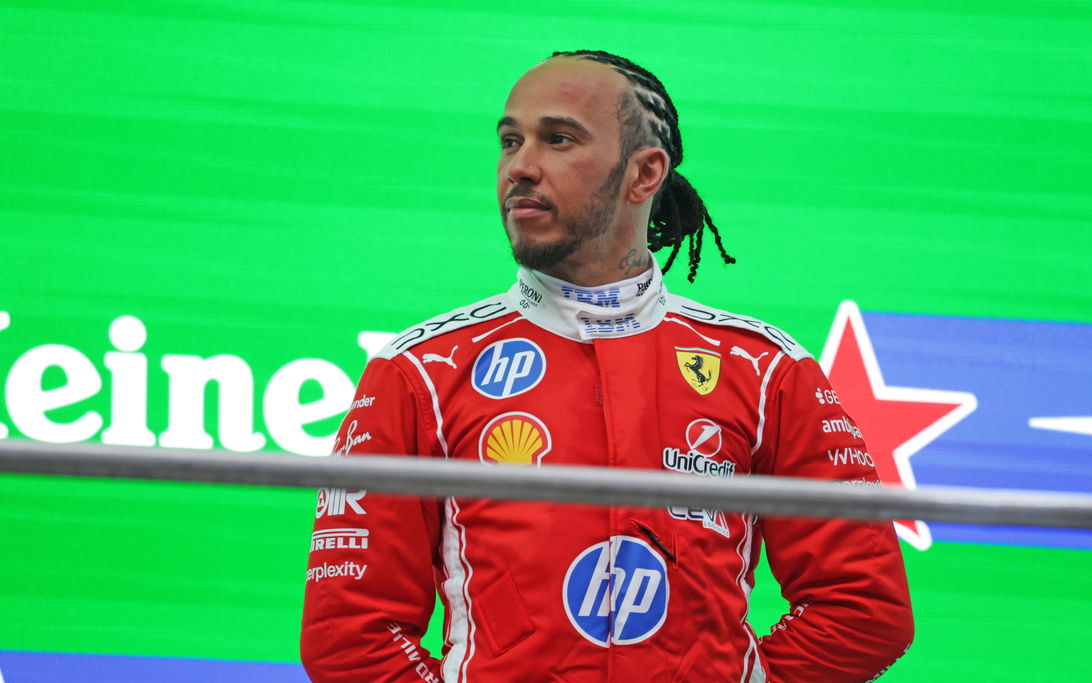
In a candid interview, seven-time world champion Lewis Hamilton described the pinnacle of Formula 1 success as "not all it's cracked up to be," emphasizing that achievements feel hollow without the right people to share them with. The most successful driver in F1 history revealed that his career has been shaped more by overcoming adversity, including racism and bullying, than by his record-breaking statistics.
Why it matters:
Hamilton's perspective challenges the conventional narrative of sporting glory, offering a rare glimpse into the personal toll and isolation that can accompany being at the very top. As one of the most visible and influential figures in global sports, his reflections on mental well-being, community, and resilience resonate far beyond the racetrack, providing a more nuanced definition of success.
The details:
- Hamilton, with 7 championships and 105 wins, stated that success "can be lonely at the top, especially when you're the first."
- He insisted his accolades are "nothing without family and without your team," highlighting the importance of shared experience over individual glory.
- The driver identified formative moments not as victories, but as overcoming prejudice: "Beatings, fights, bullying, name-calling... People telling me to go back to my country."
- He described using these painful experiences as fuel, stating they have "shaped me into who I am today" and are "an accumulation of a lot of those paper cuts or wounds."
The big picture:
Hamilton’s comments arrive as he navigates a competitive downturn with Mercedes, providing context for his recent career phase focused on broader team development and personal projects. His journey reframes the story of an all-time great, underscoring that the legacy of a driver is built not just on trophies, but on the character forged in facing challenges both on and off the circuit. This humanized view of a sporting icon may influence how future generations of athletes balance the pursuit of excellence with personal fulfillment.
Don't miss the next lap
Get the deep dives and technical analysis from the world of F1 delivered to your inbox twice a week.
Zero spam. Only high-octane analysis. Unsubscribe anytime.
Join the inner circle
Get the deep dives and technical analysis from the world of F1 delivered to your inbox twice a week.
Zero spam. Only high-octane analysis. Unsubscribe anytime.