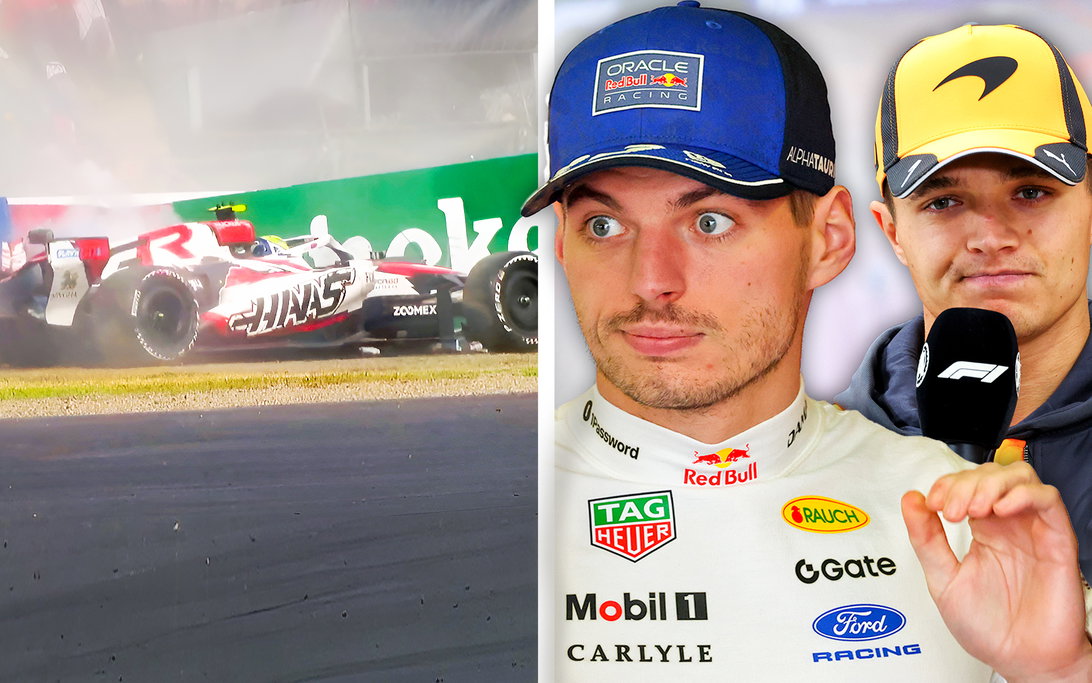
Major Suzuka Crash Highlights F1's Critical Safety Concern
Oliver Bearman's high-G crash at Suzuka, caused by dangerous closing speeds between cars, has forced F1 to confront a safety issue drivers warned about months ago. The incident has triggered urgent calls for the FIA to implement immediate solutions during the current break in the calendar.
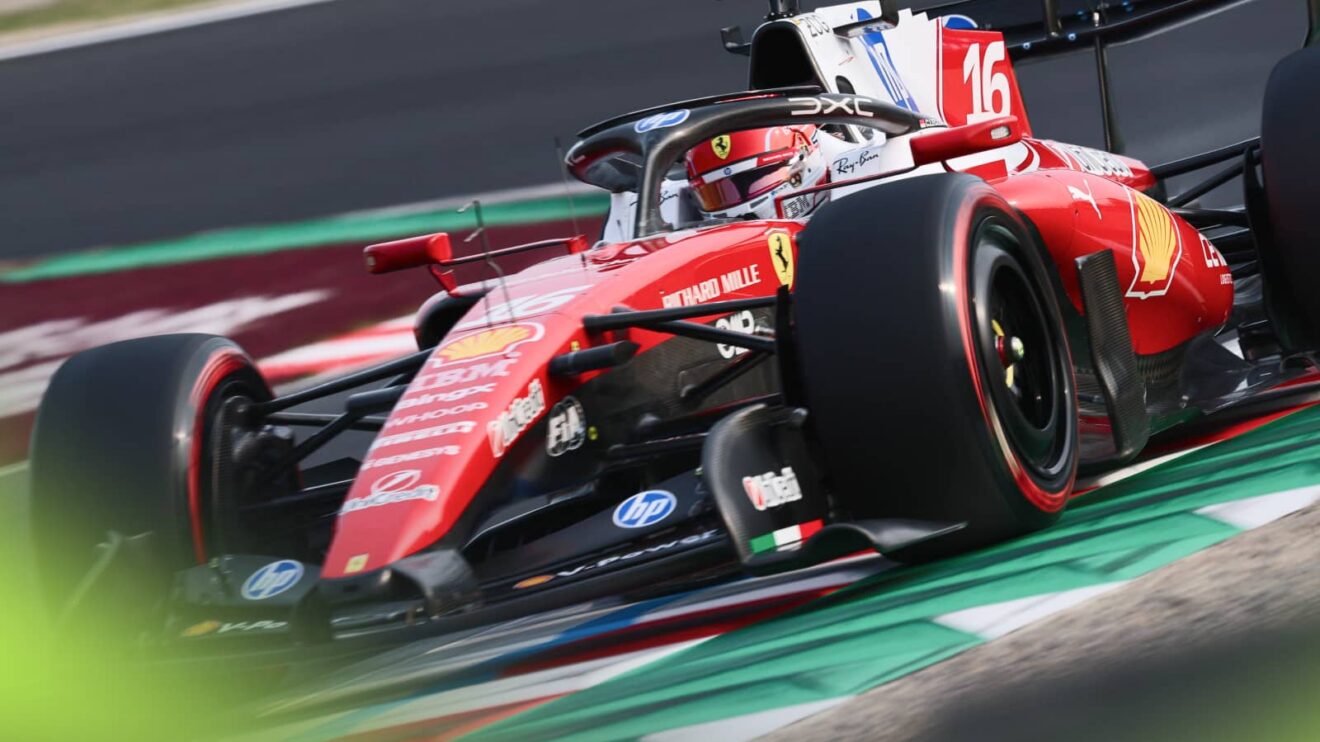
A massive 50G crash for Haas rookie Oliver Bearman at the Japanese Grand Prix has reignited urgent driver safety concerns, specifically over the dangerous closing speeds between cars on track. The incident at Spoon Curve served as a stark example of a problem drivers had warned the FIA about before the season even began, putting the sport's governing body under immediate scrutiny.
Why it matters:
High-speed collisions are an inherent risk in Formula 1, but incidents caused by extreme differences in speed between cars—particularly when one is on a hot lap and another is on a cool-down lap—represent a preventable danger. This crash underscores a growing frustration among drivers that their pre-season warnings about specific track sectors were not acted upon swiftly enough, putting competitors at unnecessary risk.
The details:
- The crash involved Haas driver Oliver Bearman experiencing a 50G impact after a collision at the high-speed Spoon Curve during the Japanese Grand Prix.
- The root cause was identified as the "insane closing speeds" between cars running at vastly different paces, a known and discussed hazard.
- Drivers had formally raised concerns about dangerous closing speeds in specific corners, including Spoon Curve at Suzuka, during pre-season meetings with the FIA.
- The incident has sparked a direct and critical response from the Grand Prix Drivers' Association (GPDA), demanding faster action from the FIA to implement solutions, such as designated slow zones or stricter lap delta regulations.
What's next:
The pressure is now squarely on the FIA to formulate and enforce a concrete plan to mitigate closing speed dangers before the next event. The five-week break until the next race provides a critical window for analysis and rule-making. Expect the GPDA to maintain a firm stance, pushing for regulatory changes that could include standardized slow lap procedures or real-time monitoring of speed differentials in high-risk corners to prevent a repeat of such a severe incident.
Don't miss the next lap
Get the deep dives and technical analysis from the world of F1 delivered to your inbox twice a week.
Zero spam. Only high-octane analysis. Unsubscribe anytime.
Join the inner circle
Get the deep dives and technical analysis from the world of F1 delivered to your inbox twice a week.
Zero spam. Only high-octane analysis. Unsubscribe anytime.