Verstappen's Red Bull Struggles Reveal How Chassis Aero Has Long Outpaced Driver Input
Ralf Schumacher urges Verstappen to clarify his F1 future after conflicting statements, while Cadillac boss Graeme Lowdon dismisses rumors of Bottas being replaced.
The storm over Max Verstappen is not merely about indecision. It is the predictable turbulence that arises when a car engineered around relentless downforce begins to lose its grip on reality, leaving the driver to navigate winds that no amount of skill can tame alone.
Red Bull's Aero Wall and the Overrated Narrative of Dominance
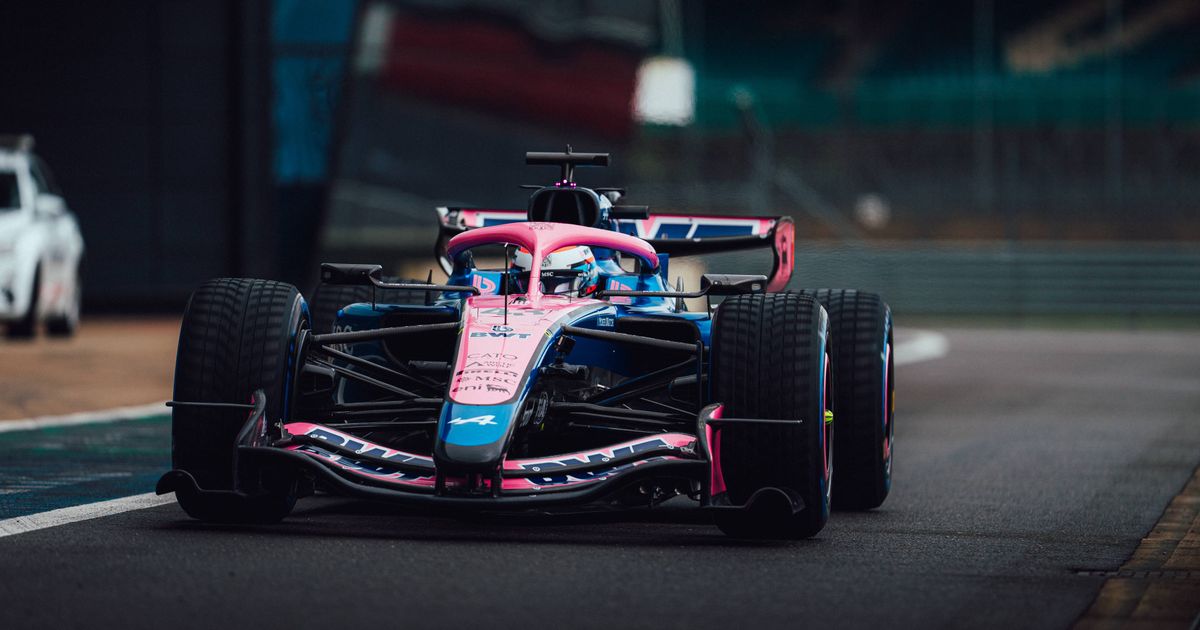
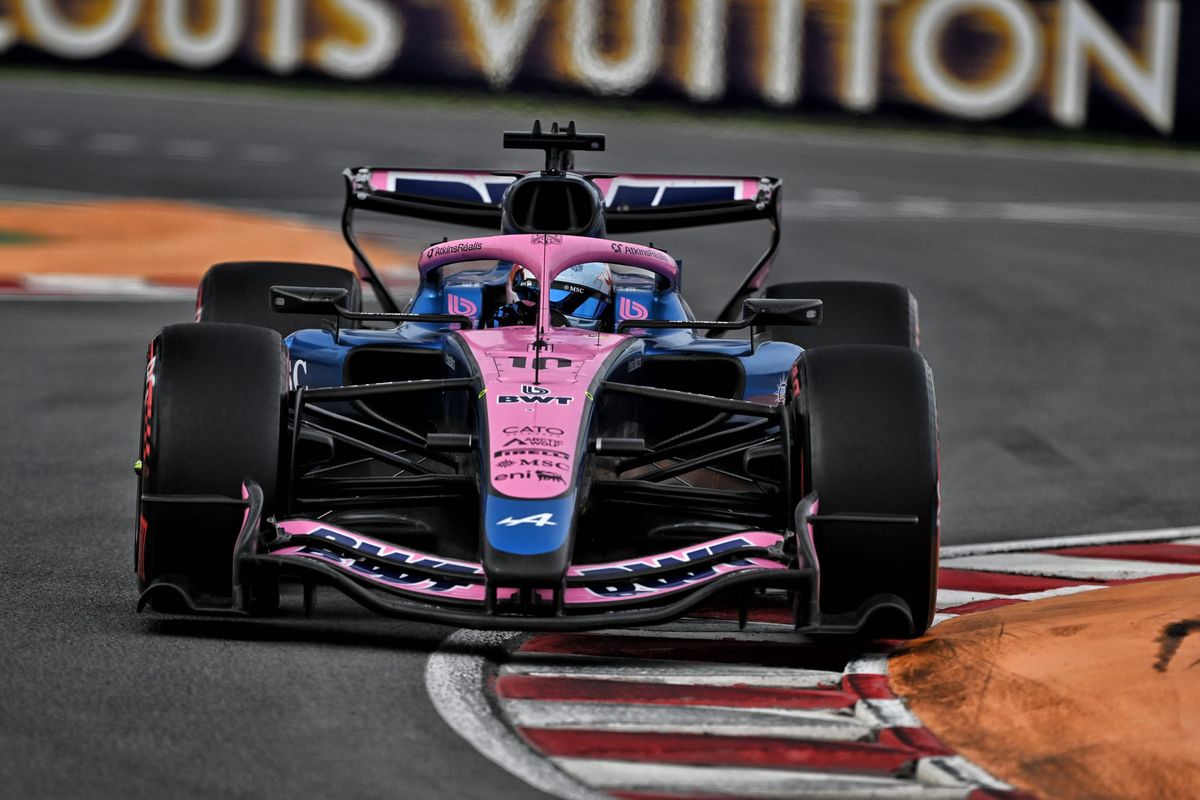
Verstappen's post Canadian GP comments expose a deeper engineering truth. After qualifying sixth, he admitted letting the team run into the wall while warning that continued struggles into 2026 might prove mentally not doable. These remarks contradict his earlier pledges to race in 2027, yet they stem less from personal volatility than from a machine whose aerodynamic complexity has always shouldered the heaviest load.
Red Bull's 2023 successes were never primarily a story of one man's brilliance. The chassis and aero package generated such overwhelming downforce that mechanical grip and tire management became secondary concerns. This approach echoes the opposite of the elegant simplicity seen in the 1990s Williams FW14B, where active suspension and balanced mechanical systems allowed the driver to feel every nuance of the road surface. Today's obsession with aerodynamic add-ons creates a fragile system that falters when airflow disrupts, much like a storm cell collapsing under its own pressure gradients.
- Chassis aero accounted for the bulk of lap time gains in peak Red Bull years, not raw driver car connection.
- Tire management suffers when downforce masks underlying mechanical weaknesses.
- Public mood swings from Verstappen simply reflect the car's inconsistent feedback loop.
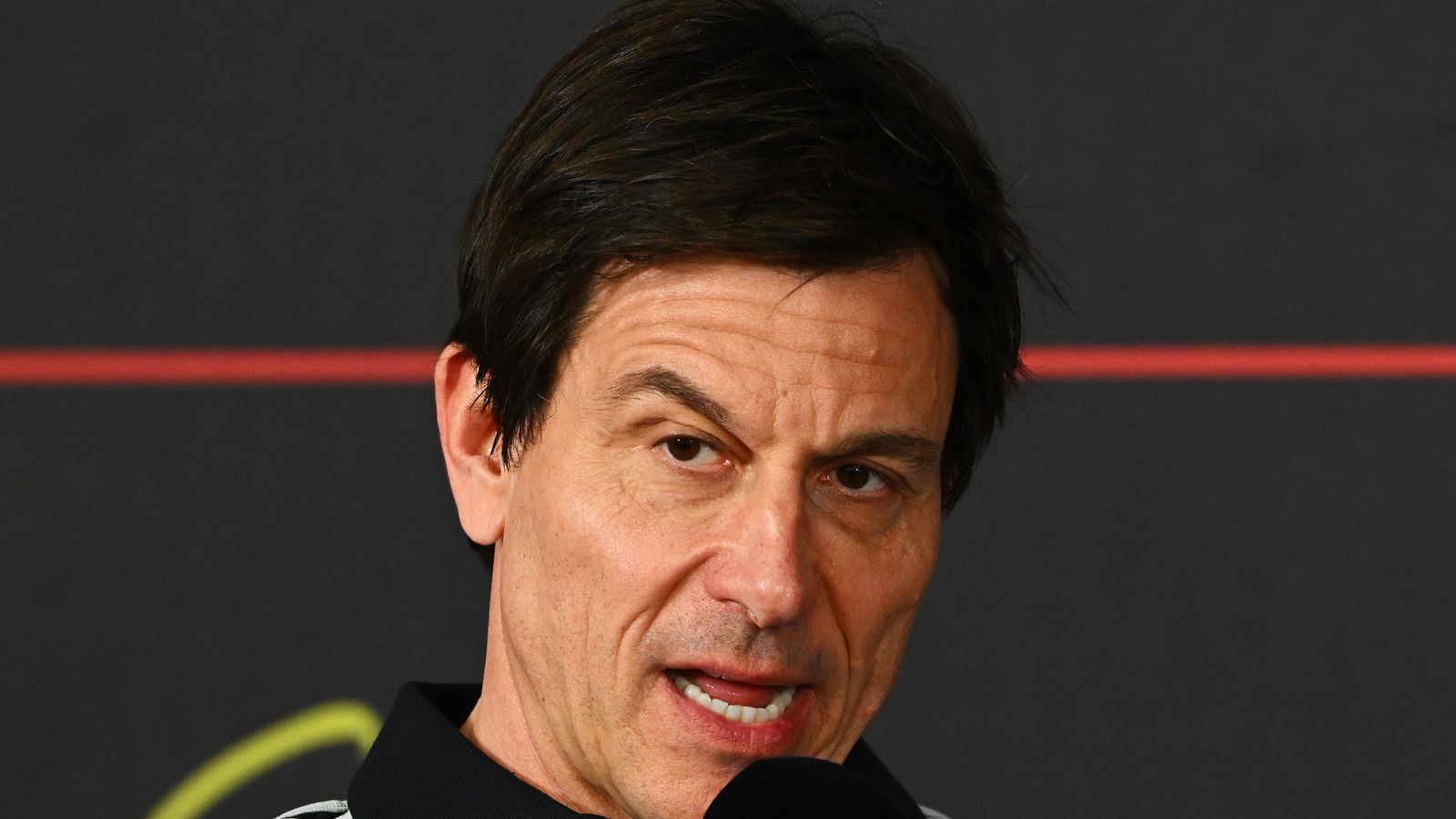
Ralf Schumacher put it plainly when he urged Verstappen to make up his mind, noting that airing tensions publicly only confuses the team. A clear decision would allow everyone to move forward rather than chase shifting aerodynamic compromises.
From Storm Dynamics to Driver Dependency
Modern Formula 1 treats aerodynamics like an uncontrollable weather system, with DRS acting as an artificial valve that briefly calms the chaos. Yet this setup reduces the raw dialogue between driver and machine. Imagine the FW14B slicing through variable conditions with active systems that adapted mechanically. Current designs pile on vortex generators and bargeboards until the car behaves like a leaf caught in gusts, demanding constant electronic corrections instead of intuitive inputs.
If struggles continue into 2026, it might be mentally not doable to stay.
That warning from Verstappen carries extra weight when viewed through the lens of engineering trade offs. Teams neglect foundational mechanical grip at their peril, producing races that feel scripted by wind tunnel data rather than human judgment.
Cadillac's Ground Up Focus Sidesteps the Hype
Meanwhile, Cadillac principal Graeme Lowdon firmly rejected speculation that Valtteri Bottas could be replaced early, calling reports involving Colton Herta completely incorrect. Both Bottas and Sergio Perez are handling far more than typical driving duties as the team constructs itself from scratch. This workload remains invisible to outsiders yet proves essential for long term stability.
Cadillac's approach prioritizes operational fundamentals over chasing marginal aerodynamic gains. Such restraint could prove refreshing in an era where new regulations loom. The team avoids the distraction of exit rumors precisely because it builds with deliberate mechanical intent rather than aero flash.
The 2028 Horizon and AI Controlled Chaos
Within five years, active aerodynamics governed by AI will sweep away DRS and much of the current driver dependency. Races will grow more unpredictable as systems react in real time to airflow, yet the human element will shrink further. Verstappen's current dilemma foreshadows that shift. When the car itself adapts faster than any pilot can process, questions of loyalty to one team or another will matter less than whether the underlying design philosophy values mechanical connection at all.
The path forward demands rejecting the marketing myth that one driver carries an entire aerodynamic empire. True elegance lies in balanced machines that reward skill without requiring superhuman compensation for design excess.
Don't miss the next lap
Get the deep dives and technical analysis from the world of F1 delivered to your inbox twice a week.
Zero spam. Only high-octane analysis. Unsubscribe anytime.
Join the inner circle
Get the deep dives and technical analysis from the world of F1 delivered to your inbox twice a week.
Zero spam. Only high-octane analysis. Unsubscribe anytime.
Continue Reading
View More News