McLaren's Barcelona Pace: Single-Lap Speed vs. Race Reality
McLaren dominates FP2 single-lap times in Barcelona, but long-run data suggests a potential struggle with tyre degradation compared to Mercedes and Ferrari.
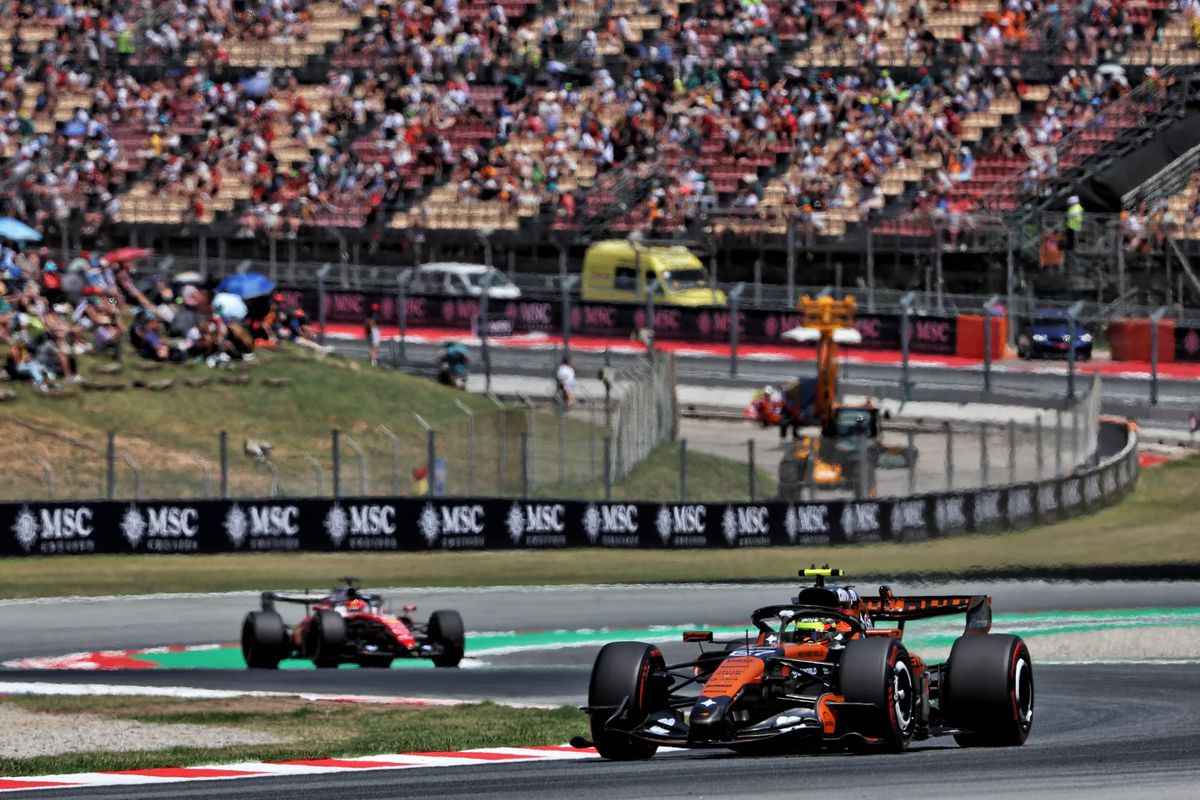
McLaren appears to have rediscovered its form in Barcelona, with Lando Norris topping the FP2 timesheets. However, initial long-run data indicates a potential disparity between their raw qualifying speed and their ability to manage tyre degradation over a full race stint.
Why it matters:
The contrast between single-lap performance and race pace is critical at Barcelona, a circuit known for punishing tyres. If McLaren cannot translate their raw speed into sustainable race pace, their FP2 success may be a mirage, leaving the door open for Mercedes and Ferrari to dominate the Grand Prix.
The Details:
- Technical Updates: McLaren's new front wing, which was absent in the previous two rounds, is showing positive results on the open, sweeping corners of the Circuit de Barcelona-Catalunya.
- Handling Issues: Despite the speed, Norris reported significant vibrations and inconsistent grip, suggesting the car is not yet fully optimized for the conditions.
- Tyre Strategy: Pirelli has shifted to a softer compound range (C2, C3, C4) for this event, designed to encourage more pit stops and make the hard compound a viable strategic option.
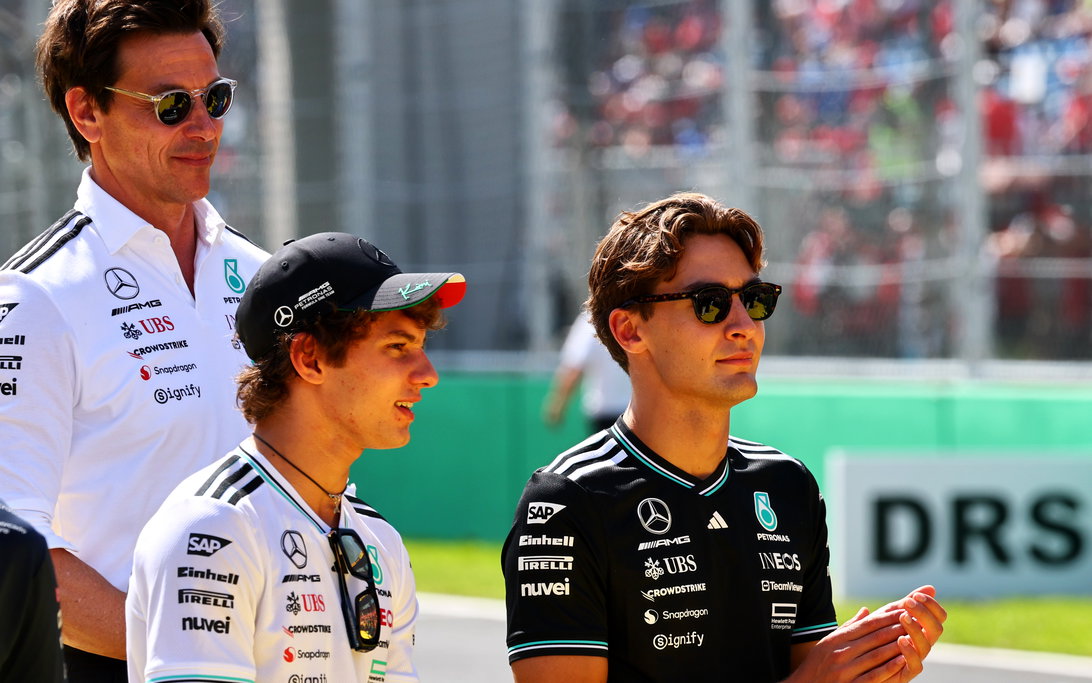
- Competitor Status: Red Bull continues to struggle with balance. Chief engineer Paul Monaghan admitted the team is far from "A star" performance, lacking the necessary grip to challenge the frontrunners.
By the numbers:
- Long-run hierarchy: George Russell (Mercedes) led the soft-tyre long runs with a 1m21.195s average, while Norris (McLaren) trailed at 1m22.029s.
- The Gap: While Mercedes shows a significant on-paper advantage, the difference in run lengths—four laps for Russell versus eight for Norris—may mask the true performance margin.
- Red Bull's Deficit: Max Verstappen was nearly nine-tenths off Norris in single-lap trim, highlighting a severe lack of peak performance despite a more competitive long-run pace.
What's next:
As the weekend progresses toward qualifying and the race, the focus shifts from raw speed to sustainability. The critical question remains whether McLaren can solve their inconsistent tyre interaction to match the race-trim efficiency of Mercedes. If high degradation persists, the race will likely be won by the team that optimizes tyre life rather than the one with the fastest Saturday lap.
Don't miss the next lap
Get the deep dives and technical analysis from the world of F1 delivered to your inbox twice a week.
Zero spam. Only high-octane analysis. Unsubscribe anytime.
Join the inner circle
Get the deep dives and technical analysis from the world of F1 delivered to your inbox twice a week.
Zero spam. Only high-octane analysis. Unsubscribe anytime.
Continue Reading
View More News