McLaren's Stella urges 2028 timeline for F1 power unit hardware changes
McLaren F1 boss Andrea Stella calls for hardware changes to the 2026 power unit regulations—including increased fuel flow and larger batteries—to improve racing, but acknowledges the complex lead times make 2028 the earliest feasible target. The push sets up a debate with other team principals about the necessity and timing of such significant technical revisions.
McLaren team principal Andrea Stella believes fundamental hardware changes to Formula 1's 2026 power unit regulations are necessary to improve the racing spectacle, but the extensive lead time required means such adjustments are unlikely before the 2028 season. This stance highlights a growing debate within the paddock about balancing immediate sporting tweaks with longer-term technical solutions to the new rules' early challenges.
Why it matters:
The 2026 regulations represent a massive technical shift for the sport, and their initial implementation has sparked concerns about energy management and on-track action. Decisions made now on whether and when to alter the power unit's core hardware will set the competitive and financial roadmap for teams and manufacturers for the remainder of the decade, impacting development cycles, budgets, and the fundamental performance hierarchy.
The details:
- Stella argues that effective fixes require hardware changes, specifically an increase in fuel flow to boost internal combustion engine (ICE) power and the use of larger batteries to improve energy balance and deployment.
- He cites significant lead times as the primary barrier for 2027, noting that changes to battery size and adapting engines for higher fuel flow require more development time than is currently available.
- Alpine team boss Steve Nielsen emphasized the downstream impact, stating that more fuel would require a larger fuel tank and potentially a new chassis—a major undertaking under the budget cap, especially for teams not planning a new chassis for 2025.
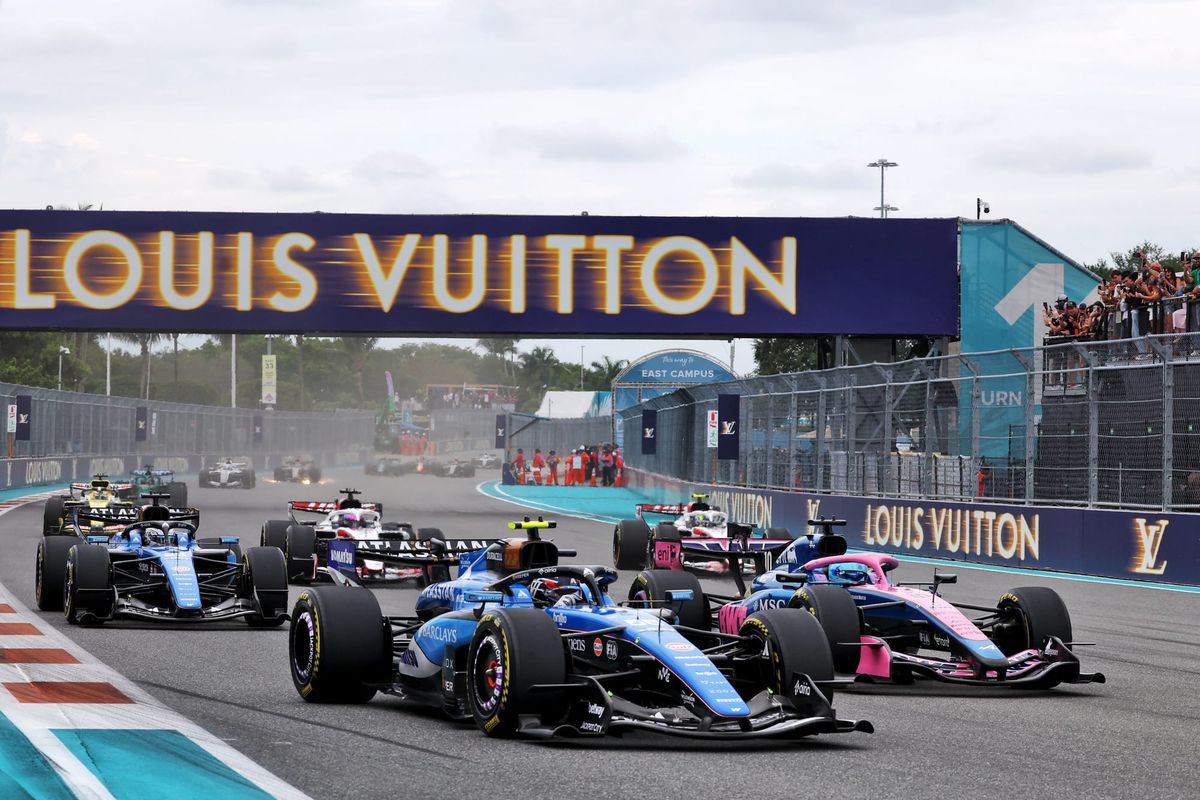
- In contrast, Mercedes team principal Toto Wolff expressed satisfaction with the current spectacle, citing the exciting Miami Grand Prix, but remained open to mid-term optimizations like more powerful straight-line speed modes.
What's next:
Stella has urged the F1 community to finalize discussions on potential hardware changes before the summer break to have any hope of implementing them for the 2028 season. The coming months will reveal whether stakeholders can reach a consensus on these more invasive changes or if the focus will remain on further refining the sporting and energy management regulations within the existing hardware framework for the foreseeable future.
Don't miss the next lap
Get the deep dives and technical analysis from the world of F1 delivered to your inbox twice a week.
Zero spam. Only high-octane analysis. Unsubscribe anytime.
Join the inner circle
Get the deep dives and technical analysis from the world of F1 delivered to your inbox twice a week.
Zero spam. Only high-octane analysis. Unsubscribe anytime.
Continue Reading
View More News