F1's Engine Ratio Clash Reveals How Aero Excess Has Stolen the Soul of Driving
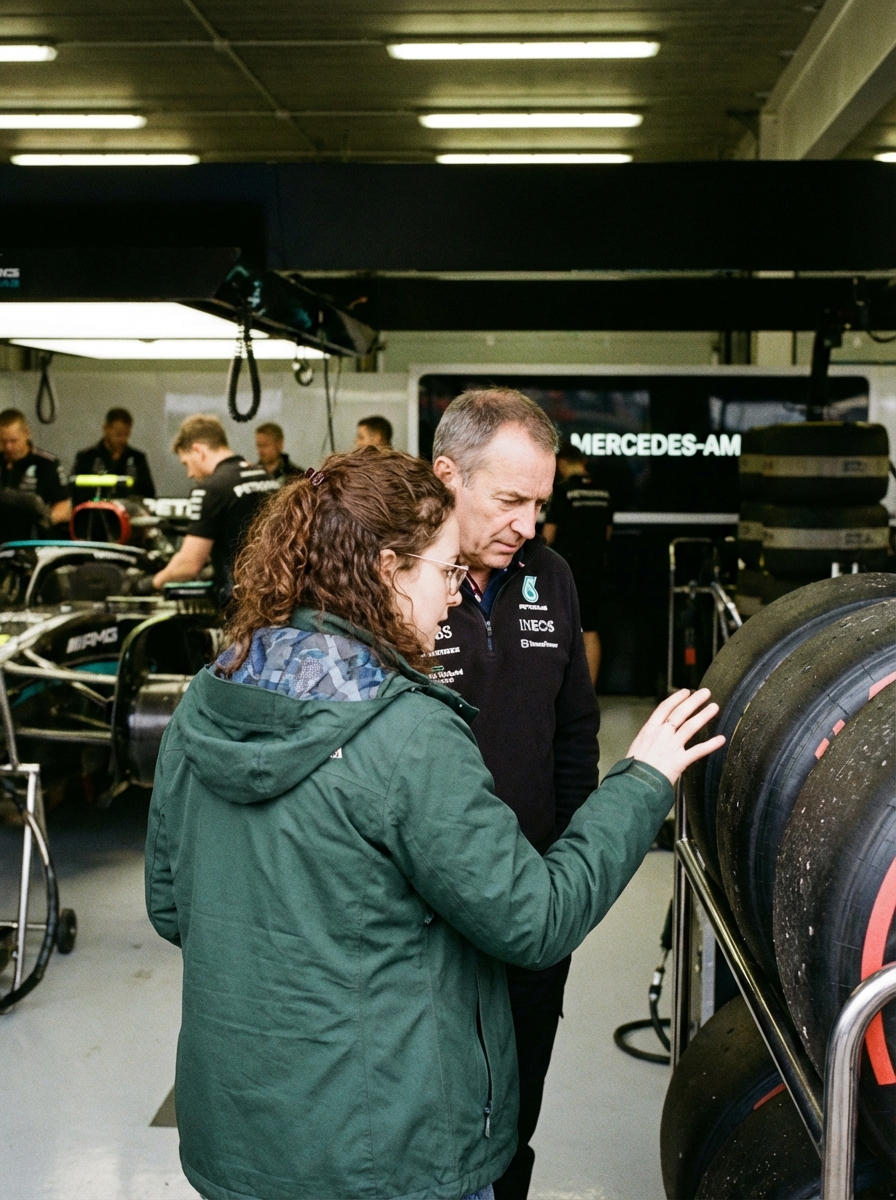
McLaren boss Andrea Stella warns the FIA not to bow to driver pressure alone on the 60:40 power ratio, emphasizing the need for broader talks with manufacturers.
The push for a 60:40 power split lands like a sudden gust in a stalled storm front. Drivers demand it for safety and spectacle, yet the real turbulence stems from cars that have traded mechanical grip for layers of downforce so thick they mask every raw input at the wheel. McLaren principal Andrea Stella calls for measured talks with manufacturers, and he is right to resist letting senior drivers dictate terms alone.
The Mechanical Grip Deficit Behind the Lift-and-Coast Era
Current 50:50 engine-to-battery rules force excessive coasting because aerodynamic loads overwhelm tire contact patches. Shifting toward more internal combustion power could restore throttle response, yet the deeper fix lies in rediscovering the tire-car connection that defined earlier eras. Teams chase ever-higher downforce coefficients while ignoring how mechanical balance once let drivers feel the limit through their hands and feet.
- Excessive rear downforce creates understeer on corner entry that no amount of battery deployment fully erases.
- Tire management becomes a secondary afterthought when aero dominates, flattening the skill window.
- The 1990s Williams FW14B showed what active suspension and simpler aero could achieve: the car responded directly to throttle and steering without electronic crutches.
Stella correctly notes that performance and excitement matter alongside safety. A pure safety argument would collapse if the same lift-and-coast behavior simply reappeared under different power numbers.
Verstappen Dominance and the Chassis Myth
Some aspects have to do with the performance, with the racing and the driving of the cars.
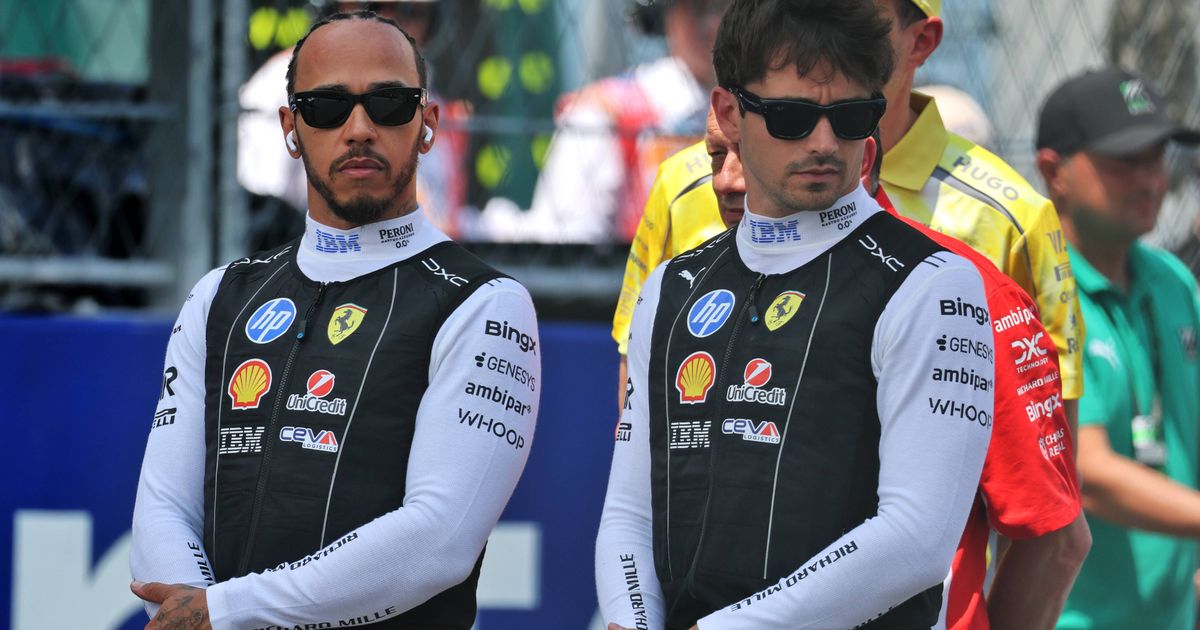
Max Verstappen and Carlos Sainz urge the FIA to hold firm, yet their calls overlook how Red Bull's chassis and aerodynamic superiority, not pure driver skill, powered the 2023 campaign. The car generated such stable downforce that Verstappen could push limits others could not reach in lesser machinery. This pattern repeats whenever one team masters ground-effect vortices better than rivals.
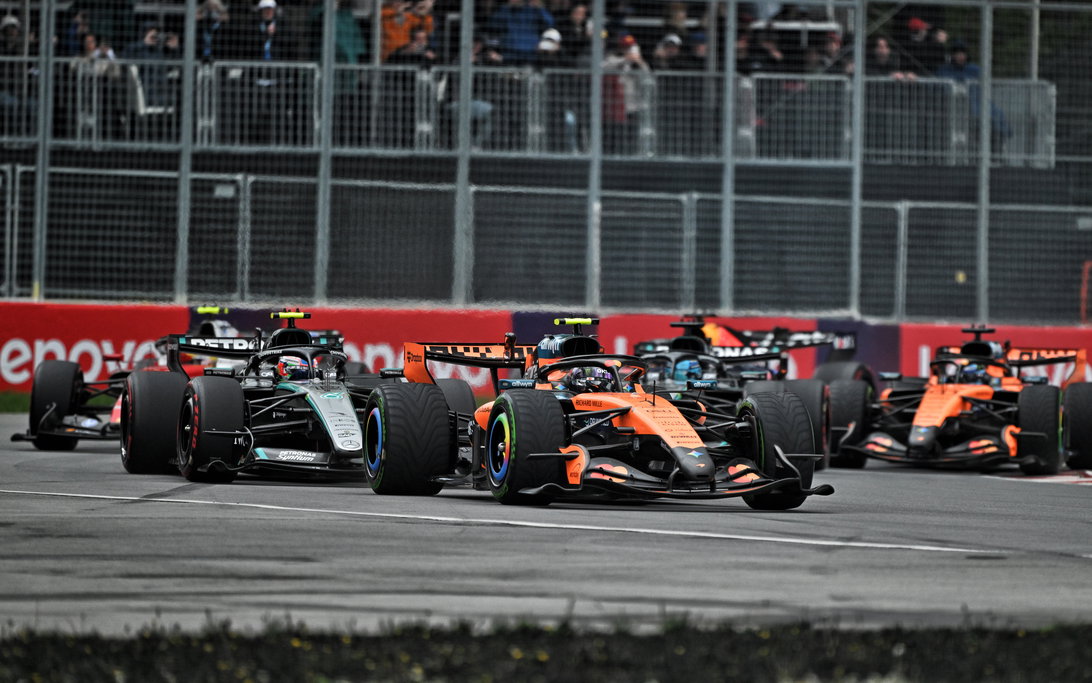
Audi and Ferrari oppose the ratio change because it alters their development roadmaps and competitive positioning for 2027. McLaren, backed by a supportive Mercedes power unit, stands to gain yet still advocates wider negotiation. The divide shows that regulation tweaks are never neutral; they redistribute the very aero and mechanical advantages teams have spent years refining.
Within five years the sport will likely abandon static DRS zones for AI-managed active aerodynamics. These systems will react in milliseconds to traffic and track conditions, producing chaotic overtaking but further reducing the driver's direct influence. The 2028 cars may look faster on paper while feeling more like remote-controlled projectiles than the tactile machines of the FW14B era.
A Path Forward That Values Both Power and Feel
The FIA must weigh manufacturer investment against driver feedback, yet any compromise should also address the undervalued art of mechanical setup. Without deliberate attention to tire behavior and simpler load paths, even a 60:40 split risks becoming another layer of complexity that hides the driver from the car.
Stella's insistence on continued dialogue offers the only realistic route. Rushing the change to appease vocal drivers would repeat past mistakes where aero rules were altered without considering how they erode the human connection at the core of racing. The coming AI era will accelerate that erosion unless mechanical grip regains equal status with downforce numbers.
Don't miss the next lap
Get the deep dives and technical analysis from the world of F1 delivered to your inbox twice a week.
Zero spam. Only high-octane analysis. Unsubscribe anytime.
Join the inner circle
Get the deep dives and technical analysis from the world of F1 delivered to your inbox twice a week.
Zero spam. Only high-octane analysis. Unsubscribe anytime.
Continue Reading
View More News