Mercedes and McLaren Lock Horns in Montreal’s Upgrade War
Mercedes and McLaren brought major aerodynamic upgrades to Montreal, intensifying a technical battle for championship positioning. Mercedes holds a slight edge, but McLaren’s chassis development is rapidly closing the gap.
Mercedes and McLaren deployed significant aerodynamic upgrades in Montreal, intensifying the technical battle as both teams seek to maximize chassis performance ahead of the F1 mid-season.
Why it matters:
With power unit performance largely equalized across the grid, aerodynamic efficiency and chassis balance have become the primary differentiators. Mercedes currently holds a performance edge, but McLaren’s rapid development suggests the gap is narrowing. In a tightly contested championship, optimizing car balance through targeted upgrades is essential for consistency and race-winning potential.
The details:
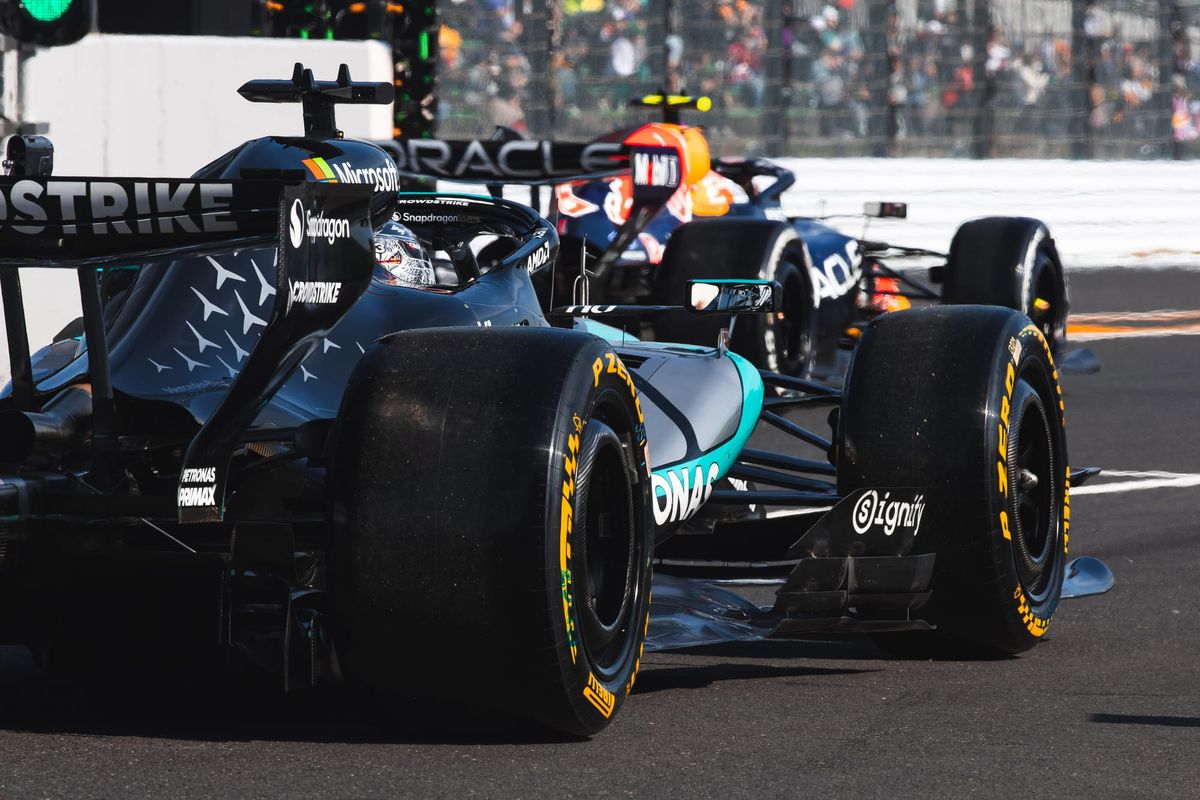
- Mercedes reshaped its bargeboards and introduced additional slots in the “coke bottle” area ahead of the rear wheels to better manage underfloor airflow and divert away turbulence.
- Upstream modifications to the diffuser and lateral winglets connected to the brake ducts improved rear traction, yielding noticeable on-track benefits during the Canadian weekend.
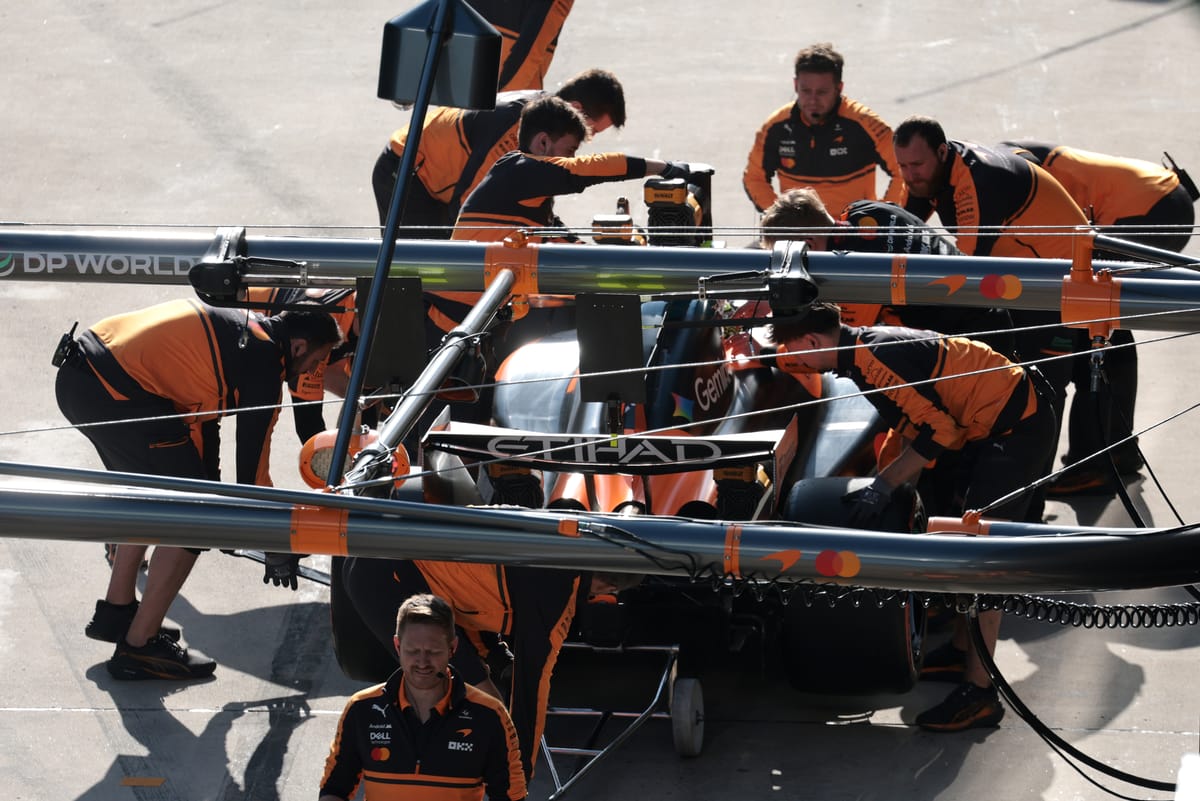
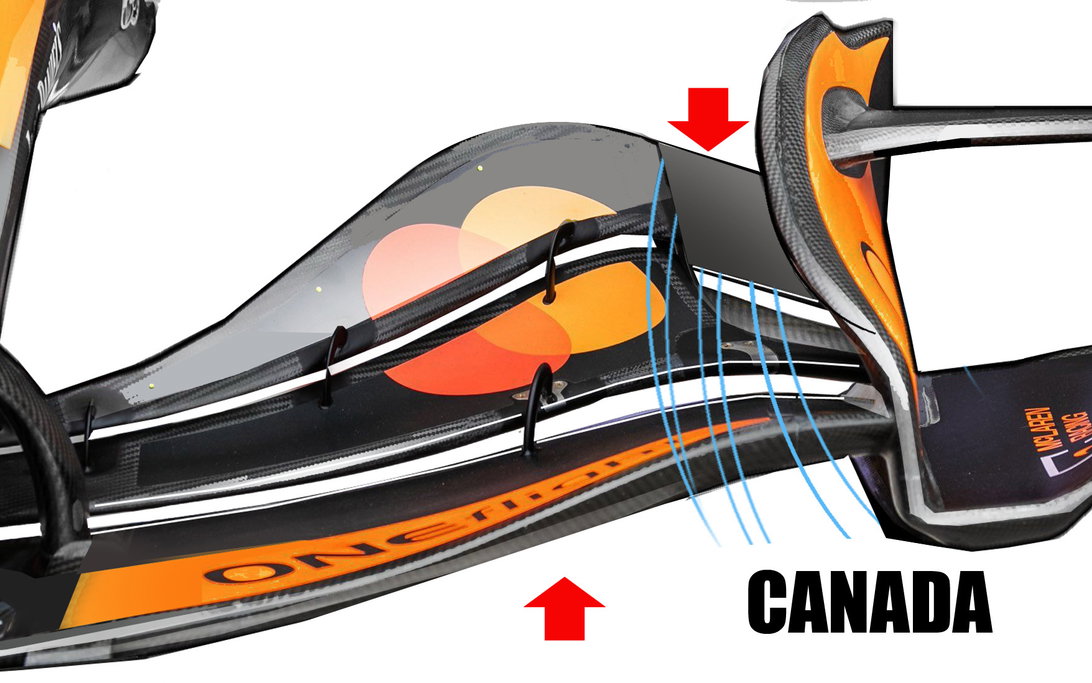
- McLaren began its upgrade cycle in Miami with targeted changes to the front wing and rear wing endplates, carrying the baseline package to Montreal.
- The Woking-based team faced a mixed response during FP1, removing several components after identifying setup inconsistencies under the new aero layout.
- The Sprint weekend format complicated the integration process, requiring careful calibration to balance aerodynamic load with mechanical grip and suspension travel.
What's next:
McLaren has yet to unveil its anticipated “Macarena” bodywork configuration, which is expected to debut in Austria as a more comprehensive aerodynamic package. While Mercedes maintains a slight advantage tied more closely to power unit operation and track deployment, McLaren’s focus on dynamic stability and aerodynamic efficiency suggests they are steadily closing the performance gap. The coming races will test whether these chassis-level improvements can translate into consistent race pace, directly challenging the frontrunners on circuits that reward mechanical grip.
Don't miss the next lap
Get the deep dives and technical analysis from the world of F1 delivered to your inbox twice a week.
Zero spam. Only high-octane analysis. Unsubscribe anytime.
Join the inner circle
Get the deep dives and technical analysis from the world of F1 delivered to your inbox twice a week.
Zero spam. Only high-octane analysis. Unsubscribe anytime.
Continue Reading
View More News