Mercedes backs F1's proposed V8 engine return with 'mega' hybrid concept
The FIA is advancing plans to replace F1's current turbo-hybrid engines with a cheaper, lighter V8 formula featuring minimal electrification by 2031. Mercedes has backed the idea, proposing a 1200bhp 'mega' hybrid concept, while Red Bull also reacted positively, citing flexibility. The central aim is to drastically reduce the sport's soaring power unit costs.
FIA President Mohammed Ben Sulayem is pushing for a new, cheaper V8 engine formula with minimal electrification to replace the current power units by 2031, potentially as early as 2030. Mercedes, the most successful team of the hybrid era, has expressed support for the concept, proposing a high-revving 1200bhp "mega" hybrid engine that combines a powerful internal combustion engine with significant electrical energy. Red Bull has also indicated a flexible and positive stance towards the potential regulatory shift.
Why it matters:
A move back towards V8 engines would mark a dramatic philosophical shift from the complex and expensive turbo-hybrid formula introduced in 2014, which was designed to be road-relevant for manufacturers. The primary driver is cost reduction for both manufacturers and customer teams, a critical priority for the sport's long-term sustainability. However, balancing this with the need to maintain some level of electrification to avoid appearing technologically regressive is the central challenge for stakeholders.
The details:
- The FIA's Proposal: Ben Sulayem stated the governing body is advancing plans for a lighter, cheaper V8 power unit with only "minor electrification," targeting an introduction by 2031 at the latest, with a 2030 debut possible if there is sufficient support from competitors.
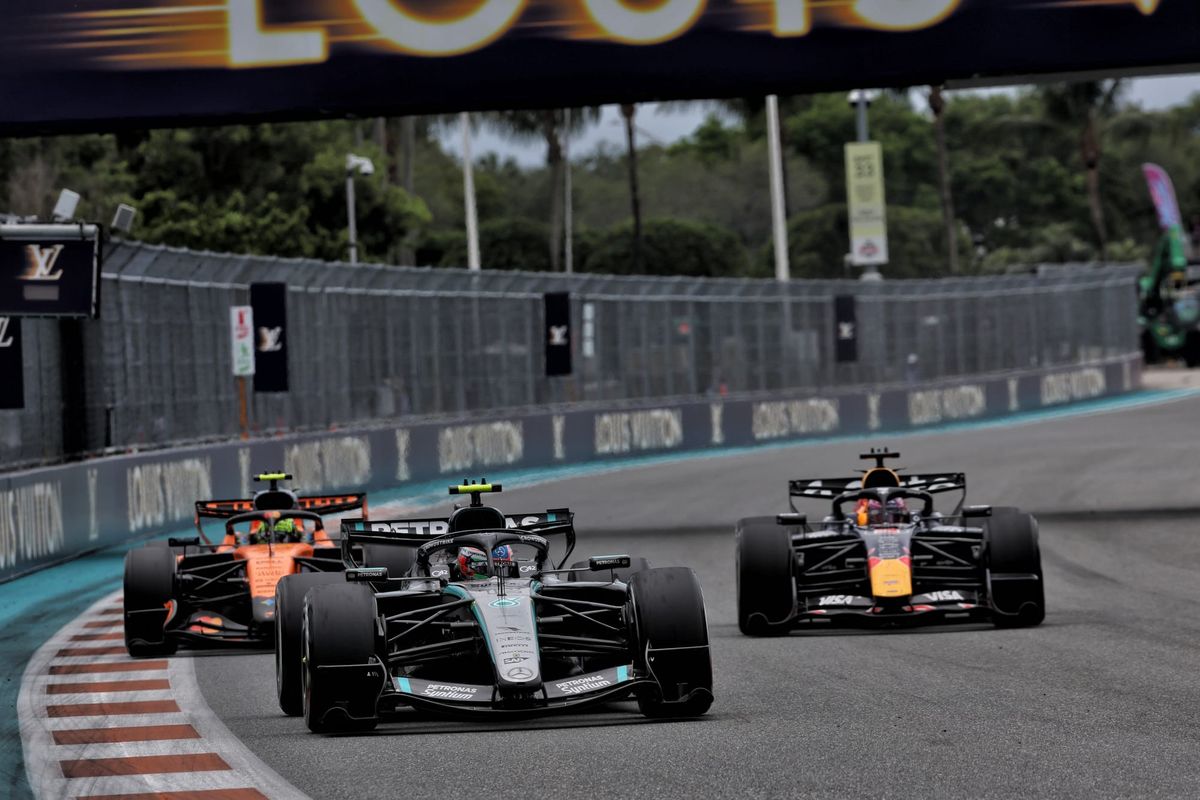
- Mercedes's Conditional Support: Team Principal Toto Wolff confirmed Mercedes is "open to new engine regulations" and "loves V8s," but emphasized the need to retain a credible battery element. He proposed a concept where a high-revving 800bhp internal combustion engine is augmented by 400bhp or more from electric energy, creating a simplified but extremely powerful "real racing engine."
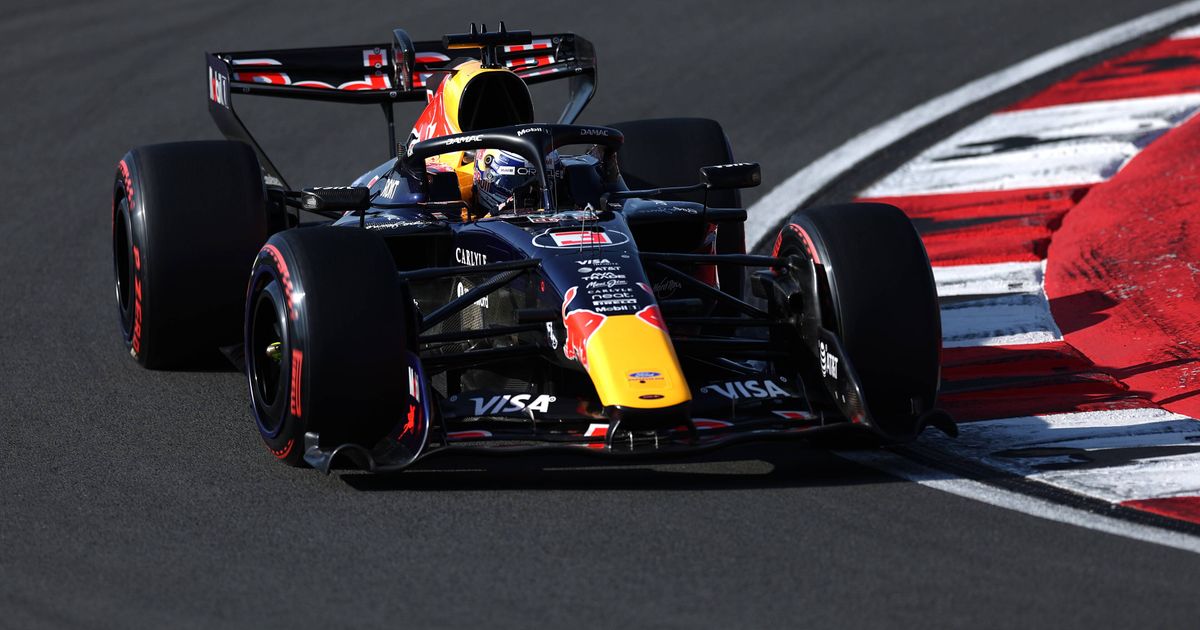
- Red Bull's Flexible Position: Despite its massive investment in its new Red Bull Ford Powertrains division for the current rules, Team Principal Laurent Mekies said the team is "pretty cool with it" and sees it as an exciting new challenge, highlighting their independence and flexibility.
- The Cost Imperative: The push for cheaper power units is a universal concern. Ferrari Team Principal Fred Vasseur stressed that reducing the "crazy budget of the engine" is a top priority, a sentiment echoed by F1 CEO Stefano Domenicali, who has called cheaper units "essential" for the next rules cycle.
What's next:
The proposal is in its early stages and requires structured discussion and formal approval from all manufacturers. The timeline will be a key point of negotiation, balancing the desire for an earlier introduction against the development cycles of the upcoming 2026 power unit regulations. Mercedes's support, given its hybrid-era dominance and technical influence, provides significant momentum, but turning the concept into a viable, agreed-upon set of regulations that satisfies both cost-cutting and performance goals will be a complex process.
Don't miss the next lap
Get the deep dives and technical analysis from the world of F1 delivered to your inbox twice a week.
Zero spam. Only high-octane analysis. Unsubscribe anytime.
Join the inner circle
Get the deep dives and technical analysis from the world of F1 delivered to your inbox twice a week.
Zero spam. Only high-octane analysis. Unsubscribe anytime.
Continue Reading
View More News