Mercedes ditches Canada upgrade after failed FP experiment drops Russell to 17th
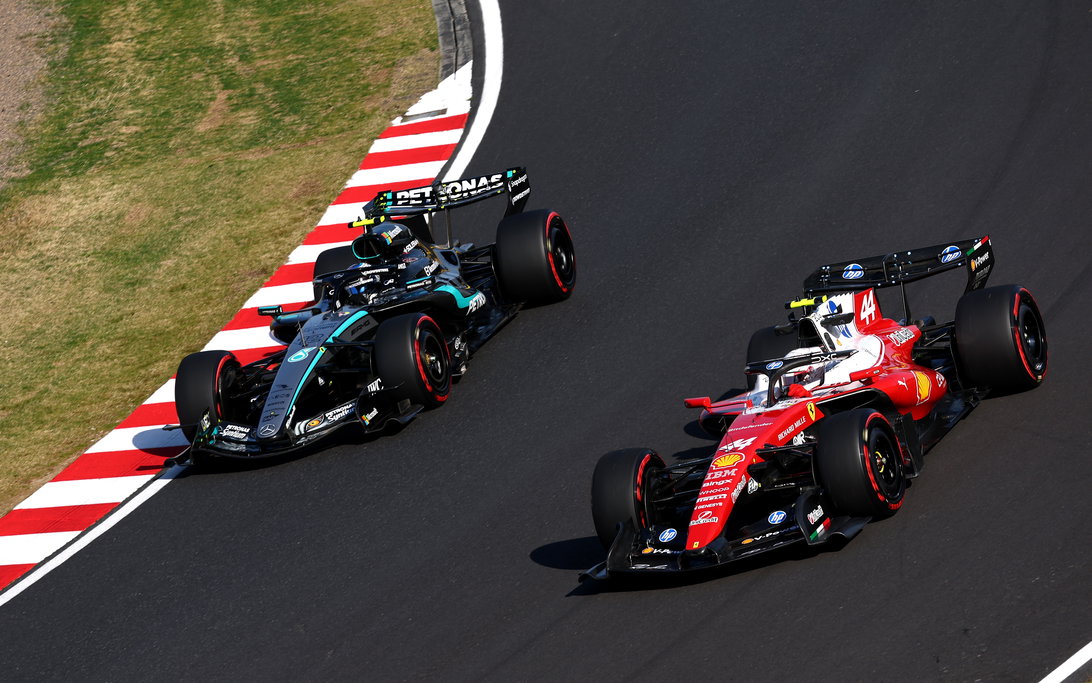
Mercedes ditched a major new aero package after a disastrous Friday practice in Canada, with George Russell ending the day 17th fastest. The experimental parts cost straight-line speed and could not be salvaged even after reverting to older components, forcing the team into an urgent overnight investigation ahead of qualifying.
George Russell finished 17th in Friday practice for the Canadian Grand Prix as an experimental Mercedes package delivered disappointing results and left the team scrambling for answers.
After qualifying on the front row in Monaco a fortnight ago, Mercedes introduced a major aero upgrade package in Montreal including a revised floor body, a new rear wing and a new beam wing, but the data showed the W16 was losing significant lap time on the straights with the new configuration.
Why it matters:
- The team abandoned the package after first practice, but even reverting to older specification parts for the second session could not rescue the weekend's prospects. Russell ended FP2 in 17th, almost a full second off the pace.
- The failure is a significant setback for a team that appeared to have found genuine pace with its Monaco upgrades. It raises fresh questions about the W16's development direction with the team still searching for a consistent window of performance this deep into the 2026 season.
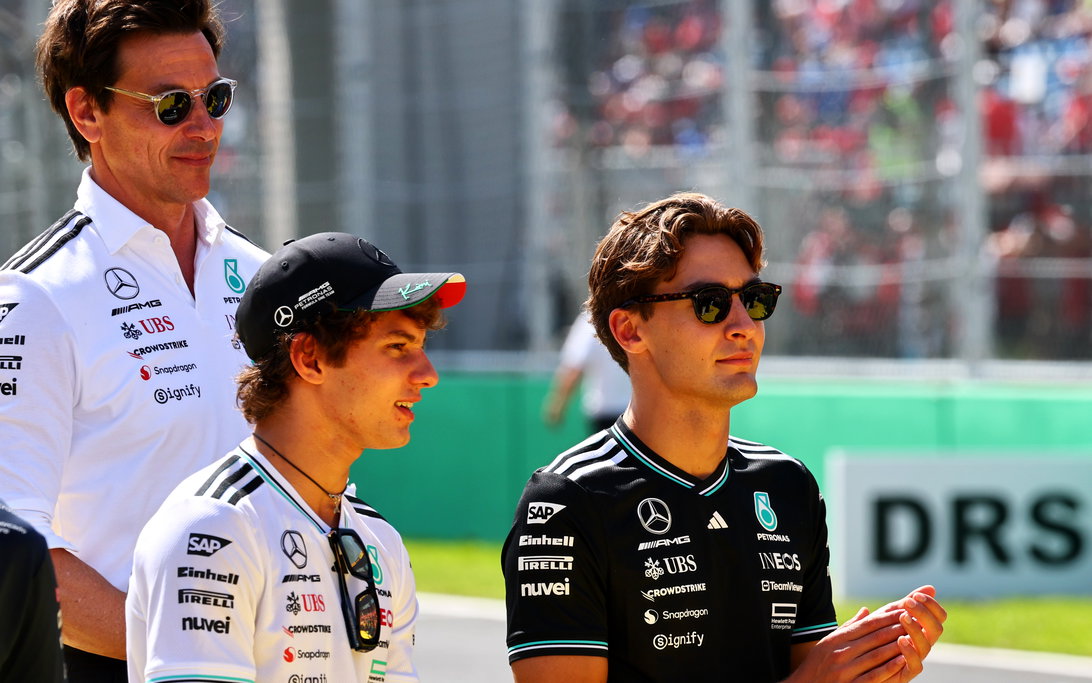
- Team principal Toto Wolff publicly acknowledged the experiment "didn't work" and said the squad faced a "long night" understanding why the car was so far off the expected baseline.
The details:
- The upgrade package: Mercedes brought a modified floor body, a new rear wing and a new beam wing to the Circuit Gilles Villeneuve. The changes were intended to build on the gains seen with the front and rear wing updates introduced at the Monaco Grand Prix.
- The data problem: The revised package produced a worrying loss of straight-line speed. Russell and teammate Kimi Antonelli both reported the car felt unbalanced and traction out of the final chicane was noticeably worse than expected. The team briefly investigated a potential setup mismatch before determining the aero characteristics were fundamentally not suited to Montreal's low-downforce demands.
- The reversal: The team stripped the new parts off both cars between sessions. Russell ran the older rear wing and beam wing in FP2 and despite improved balance was still unable to break into the top 10, ending the session 0.942s off the leading pace.
What's next:
- Mercedes faces a difficult dilemma. The team must decide whether the Montreal package is simply incompatible with the circuit's unique layout or if the concept itself has a deeper flaw that will hurt performance at other low-downforce venues like Monza and Spa later in the year.
- The squad will run extensive correlation checks back at Brackley comparing track data to wind tunnel and CFD figures to understand why the numbers failed to translate on track.
- With the summer break approaching, Wolff admitted there was limited time to fundamentally change the 2026 car's architecture unless the problem is isolated to a specific component that can be redesigned quickly.
Don't miss the next lap
Get the deep dives and technical analysis from the world of F1 delivered to your inbox twice a week.
Zero spam. Only high-octane analysis. Unsubscribe anytime.
Join the inner circle
Get the deep dives and technical analysis from the world of F1 delivered to your inbox twice a week.
Zero spam. Only high-octane analysis. Unsubscribe anytime.
Continue Reading
View More News