Mercedes Reveals Software Bug Cost Russell Podium in Japan
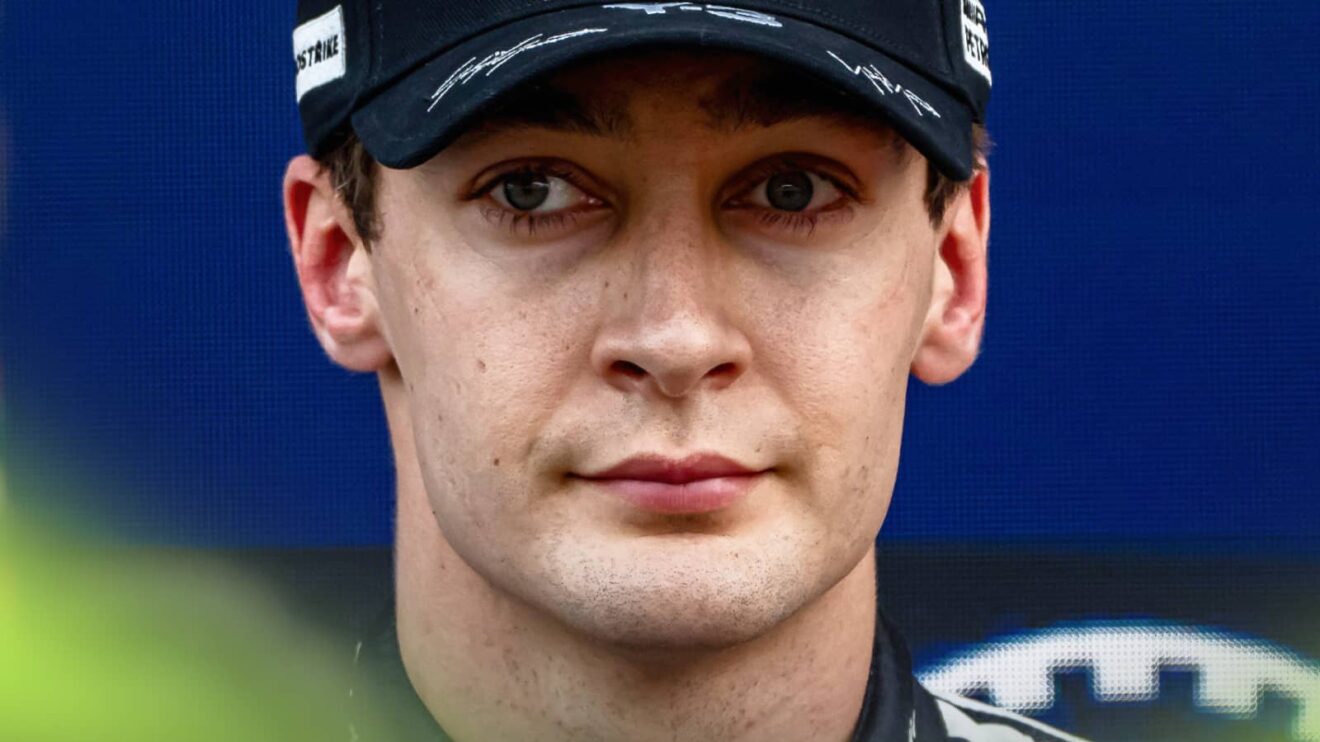
George Russell's Japanese GP podium was derailed by a software 'bug' in his Mercedes W17 that caused a sudden power loss, allowing Charles Leclerc to pass. This compounded earlier strategic misfortune with a Safety Car, resulting in a fourth-place finish while teammate Kimi Antonelli won and took the championship lead.
A software glitch in Mercedes' W17 car caused George Russell to lose power and a podium position at the Japanese Grand Prix, compounding a frustrating race where a poorly-timed Safety Car had already cost him a potential victory. While teammate Kimi Antonelli won the race and took the championship lead, Russell finished fourth after being overtaken by both Lewis Hamilton and Charles Leclerc due to separate energy management and software issues.
Why it matters:
This incident exposes a critical vulnerability in Mercedes' otherwise dominant 2026 package. As teams like Ferrari and McLaren close the performance gap, reliability and operational execution become paramount. A software bug costing a sure podium highlights the intense complexity of modern F1 cars and serves as a warning that Mercedes' early-season advantage is fragile if such errors persist.
The details:
- The critical moment occurred on Lap 37 when Russell, battling for third, experienced a sudden power loss on the approach to Spoon Curve, allowing Charles Leclerc's Ferrari to pass.
- Mercedes Trackside Engineering Director Andrew Shovlin identified the cause as a "bug in the software code," triggered when Russell performed a gear shift and pressed a steering wheel button simultaneously.
- This bug forced the power unit into a "superclip" mode, prioritizing battery charging over power delivery to the wheels.
- The software issue was the second energy-related problem for Russell in the race. Earlier, he hit a battery harvesting limit too soon after the Safety Car restart, leaving him with no deployable energy to defend against Lewis Hamilton.
- Russell's race was ultimately defined by the Safety Car timing, which deployed one lap after he made his pit stop, dropping him from the effective race lead to third.
What's next:
Mercedes now faces a dual challenge: fixing the immediate software glitch and shoring up its strategic operations. Shovlin stated the team has "several areas of improvement" and will use the gap before the next race to develop in areas "where we are not strong enough." For Russell, the focus shifts to redemption, but this race underscores that in a tight championship fight, points lost to technical gremlins can be as decisive as pure pace. The team's ability to swiftly resolve these issues will be a key test of its title credentials.
Don't miss the next lap
Get the deep dives and technical analysis from the world of F1 delivered to your inbox twice a week.
Zero spam. Only high-octane analysis. Unsubscribe anytime.
Join the inner circle
Get the deep dives and technical analysis from the world of F1 delivered to your inbox twice a week.
Zero spam. Only high-octane analysis. Unsubscribe anytime.